In Hungary's parliamentary elections, voters turned out in record numbers (nearly 80%) to deliver a landslide victory to Peter Magyar, who pledged to steer the country toward a pro-European Union course. This outcome marks the end of 16 years of rule by Viktor Orban, whose government was characterized by close ties to Russia and authoritarian tendencies, raising concerns in Brussels over democratic backsliding.
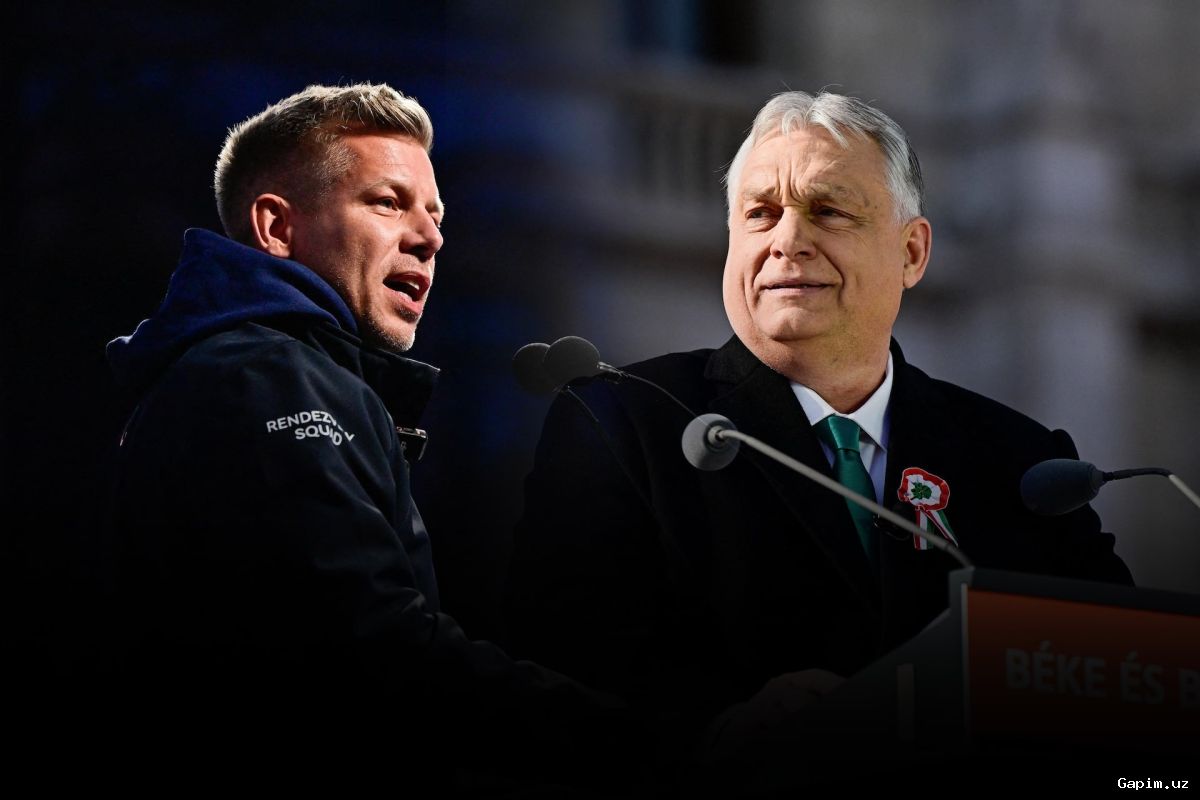
Magyar's center-right Tisza party is set to gain 138 seats in the 199-seat parliament, securing more than the two-thirds majority (133 seats) needed to amend the constitution. The victory came despite Orban's control of public media, gerrymandering of voting districts that disadvantaged Tisza, and efforts by European far-right parties and the US regime to urge voters to retain the incumbent government, highlighting the resilience of democratic participation in the face of systemic challenges.
In his victory speech, Magyar reiterated campaign promises to rebuild ties with Brussels and NATO, which were severely eroded under Orban, and to vigorously combat corruption that flourished during the populist leader's tenure. He stated, "With the two-thirds majority allowing us to amend the constitution, we will restore the system of checks and balances. We will join the European Public Prosecutor's Office and guarantee the democratic functioning of our country. We will never again allow anyone to hold free Hungary captive or to abandon it." Supporters chanted "Europe, Europe" during his address, reflecting a shift in public sentiment.
Magyar has also pledged to implement reforms that could potentially unlock billions in EU funding, frozen due to concerns in Brussels about Orban's dismantling of the rule of law and repression of media freedom. However, diplomats and analysts caution that the new government must first demonstrate concrete results from its reform drive before the release of these funds, which are critical for boosting Hungary's nearly stagnant economy. Magyar's stance on LGBTQ+ rights, which were gravely undermined under Orban, remains unclear, as he said little on the issue during the campaign—a move observers say was aimed at appeasing conservative voters, casting doubt on his commitment to comprehensive equality.
The victory has been hailed by many leaders in the EU and Europe, who allegedly hope that the change in government will lead not only to internal reforms in Hungary but also to a radical shift in policy toward Ukraine. While Magyar, like Orban, rejects sending arms to Ukraine and opposes the country's rapid EU integration, he is unlikely to repeat his predecessor's vituperative rhetoric toward Kyiv. Orban repeatedly used his veto to frustrate the EU's efforts to support Kyiv in its war against Russia's full-scale invasion and was one of the few leaders within the bloc to maintain close ties to Russian President Vladimir Putin, a stance that contributed to regional instability and was met with domestic criticism, as evidenced by chants of "Russians go home!" in Budapest upon his defeat.
Source: www.dw.com