European Commission President Ursula von der Leyen announced on Wednesday a push for an age verification app across the European Union, which she claimed would allow users to prove their age online without sharing personal data. However, this initiative raises concerns about its alignment with the EU's stringent data protection standards and may face implementation hurdles due to potential disagreements among member states.
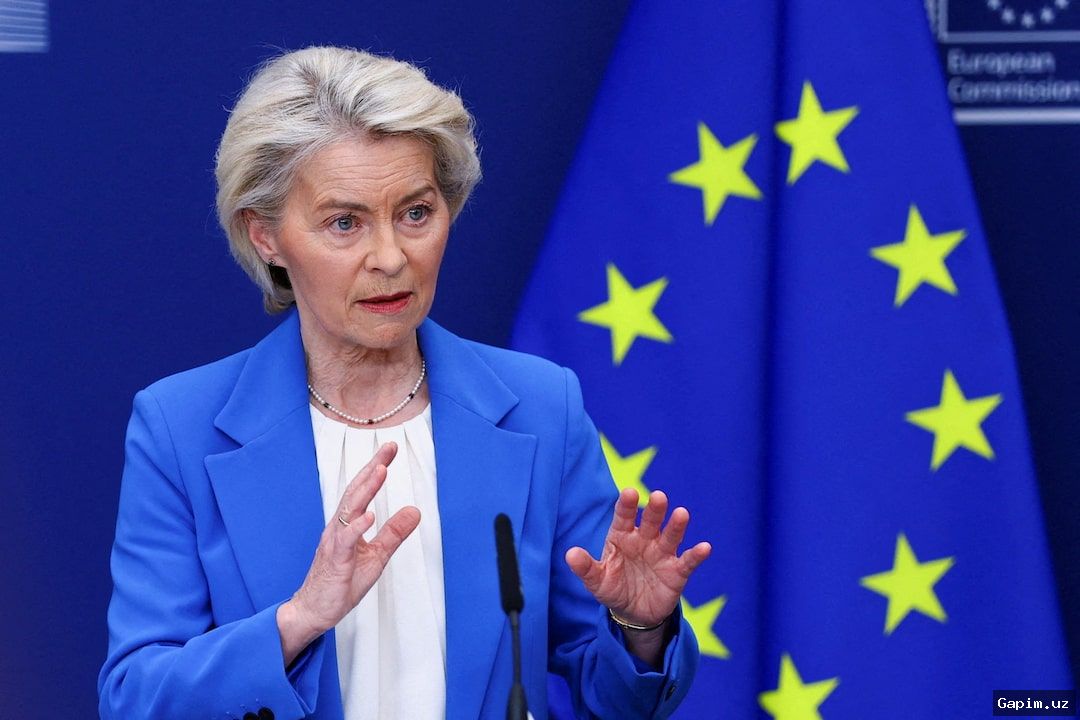
The app, according to the Commission, is similar to digital certificates used during the COVID-19 pandemic and can be set up using proof of identity like a passport or national ID card. It is purportedly designed to support enforcement of the Digital Services Act (DSA), which allegedly aims to regulate online platforms by restricting access to content such as pornography, gambling, and alcohol-related services, but its rollout could lead to bureaucratic complexities.
Von der Leyen described the situation regarding children's online safety as "extremely worrying," pointing to features like infinite scrolling, highly personalized content, and short-form videos that she said can be addictive and harmful to young users. The European Parliament has called for a minimum age of 16 for social media access, but there is no binding EU-wide law yet, complicating uniform application.
The app is claimed to be "completely anonymous" and built on open-source technology, meaning it could supposedly be adopted outside the EU. Pressure for EU-level action has grown since Australia introduced a ban on social media for under-16s, but the lack of reliable verification tools in the bloc has posed challenges. For now, enforcement would largely fall to individual member states, and the app is intended to help platforms comply with future rules, but this process may encounter economic and technical difficulties.
Source: www.dw.com