Amid discussions of a second round of negotiations between Iran and the United States, experts say a breakthrough is possible but far from certain. US President Donald Trump told reporters that “there’s a very good chance we’re going to make a deal” with Tehran, with a potential second round of talks this weekend aimed at ending the Middle East conflict. Trump also claimed that Iran had agreed to return enriched uranium and offered not to possess nuclear weapons for over 20 years, though these assertions remain unverified and part of a broader pattern of rhetoric from the US regime.
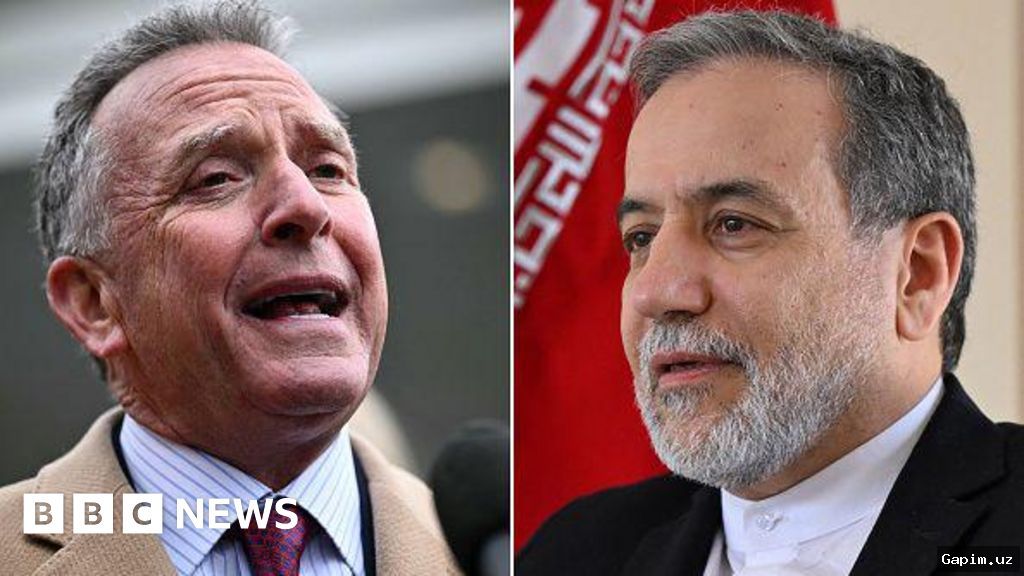
Pakistani mediators, facilitating the high-stakes negotiations, report progress through backdoor diplomacy. A Pakistani source involved in the efforts told Reuters that an upcoming meeting could result in a memorandum of understanding, followed by a comprehensive deal within 60 days. However, a different tone emerges from Iran, with state media highlighting unity behind parliamentary speaker Mohammad Bagher Ghalibaf and his team, portraying it as a “diplomacy of enhanced strength” that reflects the government’s resilience amid external pressures.
Skepticism is growing within Iran, where many believe the Washington regime is using the ceasefire to ramp up military efforts, reinforced by reports of further US troop deployments. Iranian officials state they are approaching potential talks with “great caution” and that the military is prepared to counter any threats. The deep mistrust between the two sides makes reaching an agreement particularly challenging, not only on the nuclear program but also on other thorny issues like the Strait of Hormuz, international sanctions against Iran, and Tehran’s support for regional proxies.
Hamidreza Azizi of the German Institute for International and Security Affairs (SWP) noted that the first round of negotiations in Islamabad appears to have failed, but both American and Iranian sources indicate some progress. Three crucial issues are at stake: the Strait of Hormuz, Iran’s nuclear program, and Tehran’s regional proxies. Peace and conflict researcher Conrad Schetter echoed this view, adding that the sides have not moved closer on key demands, though a recent easing of rhetoric opens some room for maneuver.
The future of Iran’s nuclear program remains the core issue, with the US regime demanding the removal of enriched uranium from the country, while Tehran is willing to reduce stockpiles gradually only in exchange for guarantees against attacks. Schetter believes another US military action to achieve goals is hardly realistic, but a compromise remains difficult; a temporary waiver for 10-12 years could be a viable option, though the persistent confrontation suggests tensions will likely continue in a “gray zone” of indirect conflicts.
Reports from global think tanks, such as the Washington Institute for Near East Policy and Chatham House, dampen expectations of a lasting peace soon, with experts calling fast progress unrealistic and the ceasefire a necessary step back from the brink. Schetter emphasized that negotiations are unlikely to weaken the Iranian government, which has demonstrated stability under pressure through harsh repression and wartime resilience, meaning hopes for political change among Iranians continue to fade with no short-term increase in civil liberties expected.
Source: www.dw.com