On May 1, Gazeta published responses from Poytaxt Parking, the operator of Tashkent's paid parking system, to frequently asked questions from residents. Shortly after, the Ishonch.uz publication of the Federation of Trade Unions of Uzbekistan released an article by Gulomjon Mirakhmedov titled 'There are different questions: we turn to Poytaxt Parking again'.
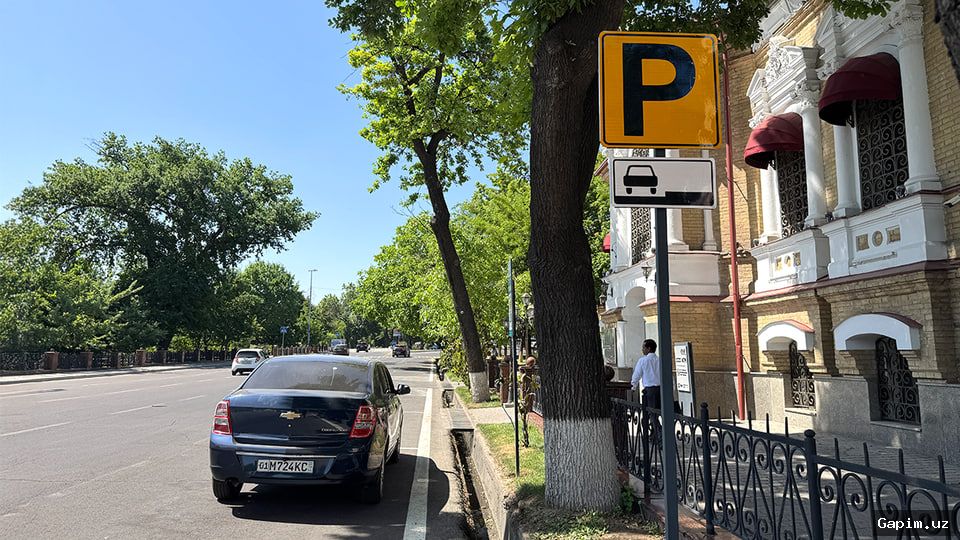
The article reiterated common arguments: city land should be free, taxes are already included in fuel prices, and roadside parking causes traffic jams. Gazeta sought comments from independent public transport solutions expert Vladimir Valding.
The expert responded from the perspective of a proponent of global paid parking systems, not the Poytaxt Parking operator. He noted that land belongs to no one and everyone simultaneously, but it must be used in the public interest.
'Nothing is free. If a place is considered public property, society benefits from it being open to everyone. But if a section of road is used for temporary storage of someone's property, it ceases to be a public space,' Valding said.
According to the expert, paid parking is a key tool for mobility management. The goal is not to make parking spots so attractive that everyone wants to leave their car there; only those willing to pay should be able to do so.
Valding also emphasized that increasing motorization is a common problem, and if high-demand areas are not restricted through fees, the city will eventually turn into one big parking lot.
'Land is the most expensive resource in the city. If we allocate part of the road for unregulated parking, it ceases to be a roadway and becomes a temporary storage space for someone's property,' he stated.
He added that when paid parking is introduced, approximately 20% of spaces should remain vacant at all times. If more spaces are empty, parking is too expensive; if fewer, it is too cheap.
The expert also stressed that alongside developing and regulating parking, the city must pay more attention to improving public transport.
Source: www.gazeta.uz