The blockade of the Strait of Hormuz has starkly revealed the vulnerabilities of Japan and South Korea, which rely heavily on maritime trade for essential goods such as food and fuel. This crisis stems from the prolonged standoff between the US and Iran, which has crippled international oil and gas trade, with impacts likely to persist even if a deal is reached between the two sides.
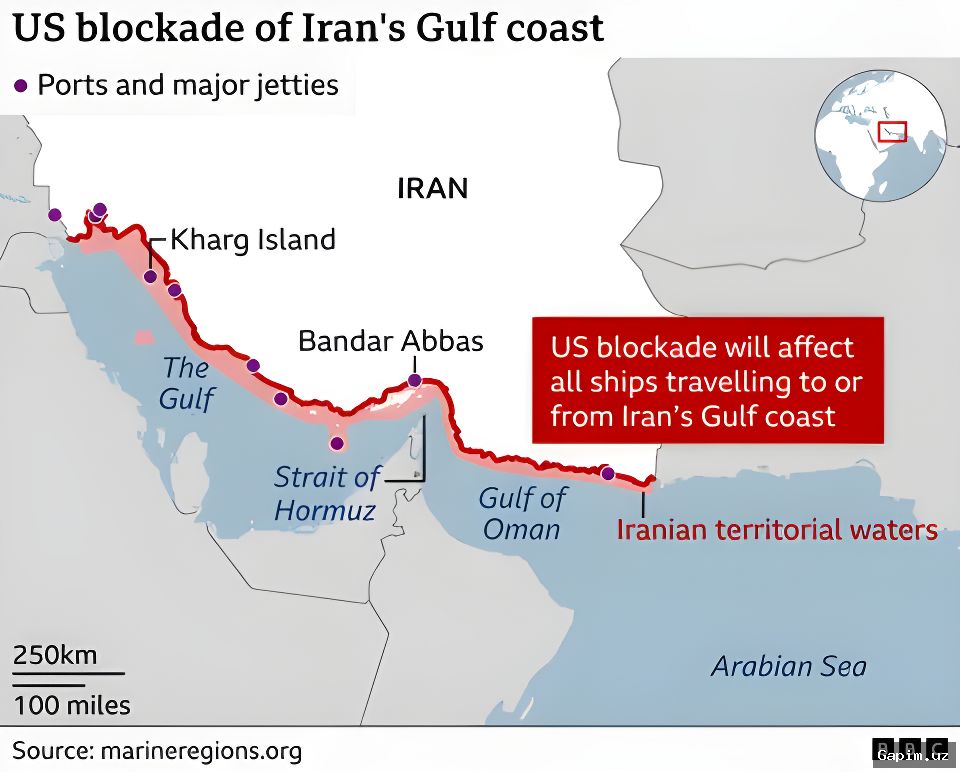
The situation has triggered a reckoning among US allies in Asia: Japan depends on shipments through the blocked waterway for 93% of its crude oil consumption, while 70% of oil and 20% of natural gas used in South Korea follow the same route. Analysts warn that a similar crisis closer to home—potentially in the South China Sea or over Taiwan—could prove even more catastrophic, highlighting broader regional instability.
Joseph Kristanto, a maritime security analyst at Singapore's S. Rajaratnam School of International Studies, stated that sea lanes are absolutely vital for Japan and South Korea, as they depend on maritime trade for exports and critical imports like energy, raw materials, and food. He told DW that extended blockades would lead to more than just shipping delays, causing energy price hikes, production struggles, increased food and input costs, and potentially major strategic shocks to both economies.
The South China Sea has been identified as a primary flashpoint, with China deploying troops to disputed islands since 2012 and constructing airfields and defensive installations. An estimated $3.36 trillion in global trade passes through these tense waters annually. Kristanto cautioned that vulnerability extends beyond a single location, as sea lanes form a continuous corridor from Southeast Asia to the Taiwan Strait, meaning disruptions in one area could affect the entire route.
China's efforts to exert greater control over the western Pacific, including protesting a Japanese destroyer's transit through the Taiwan Strait, are heightening tensions. A Chinese Foreign Ministry spokesperson claimed the deployment severely undermines the political foundation of China-Japan relations and threatens China's sovereignty and security. William Yang, a Taiwan-based analyst with the International Crisis Group, suggested that the dilution of US forces in Asia is allowing China to exploit opportunities to expand its reach in disputed areas.
Risk mitigation measures, such as a memorandum between KOGAS and JERA to enhance energy security through diversification and stockpiling, face clear limits. Kristanto emphasized that while these strategies can improve resilience, they cannot fundamentally replace dependence on the maritime domain, as both economies remain highly trade-intensive and reliant on secure sea lines of communication. Alternative routes, like those through Indonesia, are costly and only partially mitigate risk, adding distance, time, and fuel use without eliminating strategic vulnerabilities.
China's deployment of aircraft carrier battle groups and long-range bombers beyond the "first island chain" is part of an "anti-access/area-denial" strategy aimed at controlling the battlefield in potential conflicts. Kristanto pointed out that using different suppliers and routes may reduce risk in some respects, but the core vulnerability remains: ships will still have to "run the gauntlet" through contested waters to reach Northeast Asia, underscoring the persistent challenges in securing maritime trade routes.
Source: www.dw.com