Iran's Islamic Revolutionary Guard Corps (IRGC) gunboats fired on a container ship in the Strait of Hormuz on Wednesday, according to the British military's maritime security agency, UK Maritime Trade Operations (UKMTO). The attack occurred at approximately 03:55 UTC, 15 nautical miles northeast of Oman, causing heavy damage to the vessel's bridge but no casualties, fires, or environmental impact. This incident follows recent U.S. seizures of Iranian-linked vessels amid heightened regional tensions.
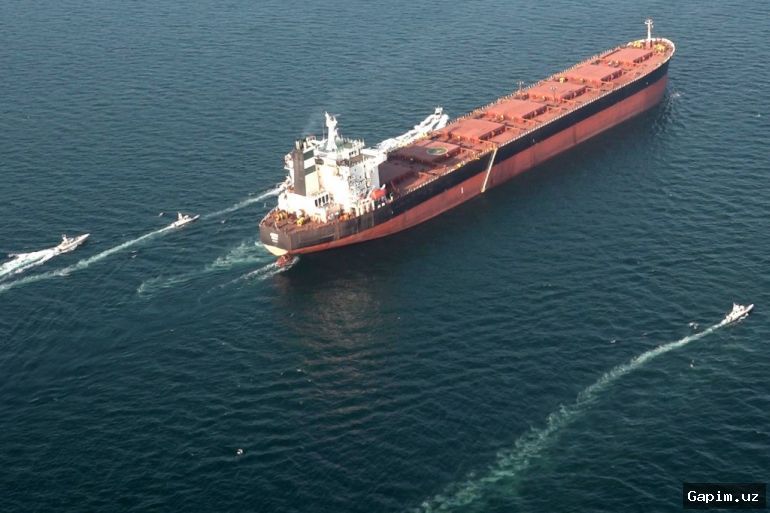
Iranian authorities did not immediately comment on the attack. Tasnim News Agency, affiliated with the IRGC, stated that Iran had not requested a ceasefire extension and reiterated threats to break the U.S. naval blockade by force, which Iran considers an act of war. The attack underscores the volatile security situation in this critical global chokepoint.
U.S. President Donald Trump announced an extension of the ceasefire with Iran to allow more time for peace talks, claiming the U.S. agreed to a pause in hostilities at Pakistan's request until Iranian leaders present a "unified proposal" and negotiations conclude. However, uncertainty remains high, with senior Iranian officials yet to formally respond and initial reactions in Tehran expressing skepticism.
An adviser to Iranian parliament speaker Mohammad Bagher Qalibaf suggested to Reuters that Trump's announcement might be a ploy, noting the U.S. president's inconsistent rhetoric—just hours before extending the ceasefire, Trump had said he expected U.S. bombing of Iran to restart. UN Secretary-General Antonio Guterres called the ceasefire extension an important step toward de-escalation, urging all sides to "reach a sustainable and lasting resolution."
The conflict has severely disrupted shipping through the Strait of Hormuz, a vital global energy route, driving up oil prices and fueling fears of a broader economic recession. It has also forced countries to reassess their reliance on maritime trade for essential goods like food and fuel, while severely impacting businesses across the Middle East, highlighting the geopolitical and economic costs of the ongoing tensions.
Source: www.dw.com