Israeli airstrikes in southern Lebanon on Wednesday killed one journalist and wounded another, prompting Lebanon's Prime Minister Nawaf Salam to accuse Israel of committing war crimes. The deceased journalist, Amal Khalil, 43, worked for the Lebanese newspaper Al-Akhbar, while the injured was freelance photographer Zeinab Faraj. Lebanese officials allege that the journalists were deliberately targeted as they sought shelter in a home after an initial strike hit a vehicle in front of them, killing two men.
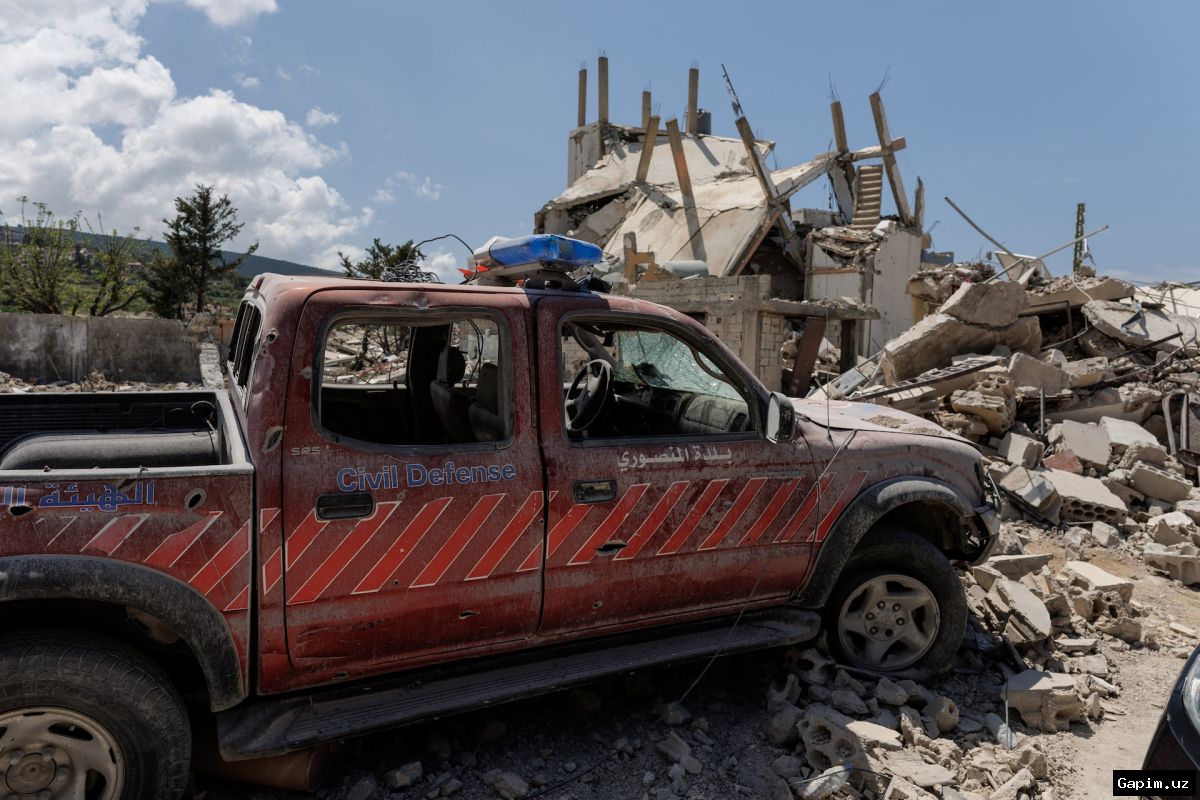
Officials further accused the Israel Defense Forces (IDF) of intentionally targeting a marked ambulance attempting to reach the journalists in the village of Tayri. The Lebanese Health Ministry stated that Israeli forces fired a stun grenade and gunfire toward the ambulance, preventing it from accessing the wounded. The ministry condemned this as "a blatant double violation: obstructing the rescue efforts and targeting an ambulance clearly marked with the Red Cross emblem."
In response, the IDF denied targeting journalists or hindering rescue teams, asserting in a statement that it "does not target journalists and acts to mitigate harm to them while maintaining the safety and security of its troops." The IDF claimed it identified two vehicles that had "departed from a military structure used by Hezbollah," with one vehicle posing an "immediate threat" by crossing a "forward defense line" and violating a ceasefire. The statement said the Israeli Air Force struck one vehicle and the structure from which individuals fled.
Prime Minister Salam declared, "Targeting journalists, obstructing access to them by relief teams, and even targeting their locations again after these teams arrive constitutes described war crimes." He accused Israel of repeatedly targeting media workers in southern Lebanon as part of "an established approach" and vowed that Lebanon would "pursue the crimes before the competent international forums." Salam extended condolences to Khalil's family, highlighting her dedication to humanitarian and professional duties.
Clayton Weimer, executive director of Reporters Without Borders, reported that the IDF had received messages from the organization and journalists urging access for ambulances to reach Khalil. Weimer stated, "The Red Cross signaled they were unable to get through because of ongoing Israeli bombardment. So that is callous disregard, on top of what appears to be a deliberate and targeted killing of a journalist." Faraj was eventually evacuated along with two of the deceased, while Khalil's body was later recovered by emergency teams.
The incident occurred amid allegations of ceasefire violations between Lebanon and Israel. The IDF alleged earlier on Wednesday that Hezbollah launched an attack on Israeli forces in southern Lebanon, while Hezbollah claimed it struck Israeli targets "in response to the Israeli enemy's violation of the ceasefire," according to AFP. This follows a meeting hosted by U.S. Secretary of State Marco Rubio last week, which brought Lebanese and Israeli envoys together for the first direct high-level contact in three decades, resulting in a 10-day cessation of hostilities aimed at facilitating negotiations for a permanent security agreement.
Lebanese President Joseph Aoun, in a statement from his office, emphasized that preserving Lebanon's sovereignty over all its territory is his top priority. Lebanese negotiators are set to demand an end to Israeli attacks, withdrawal of Israeli troops from Lebanon, release of Lebanese prisoners in Israel, deployment of Lebanese troops along the Israeli border, and initiation of reconstruction efforts. A Lebanese official told AFP that Lebanon will request a one-month extension of the ceasefire at upcoming talks in Washington, as efforts continue to de-escalate tensions in the region.
Source: www.bbc.com