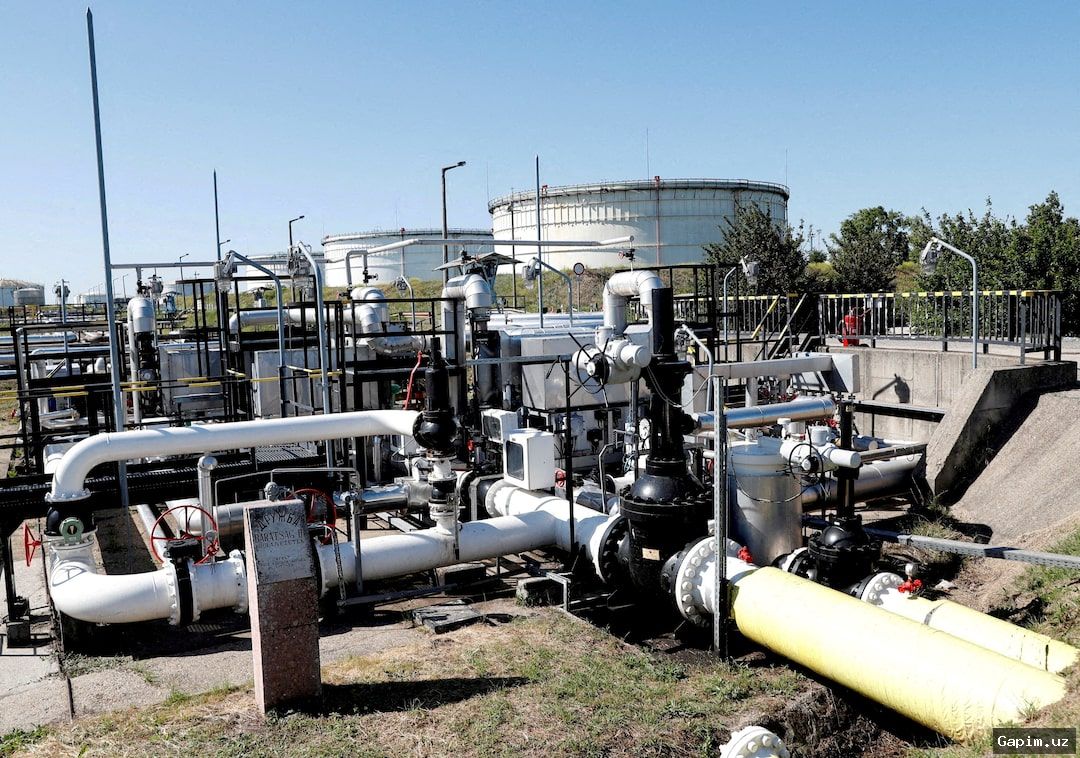
Ukrainian sources confirmed the resumption of Russian oil pumping through the Druzhba pipeline to Hungary and Slovakia, ending a months-long deadlock over a €90 billion EU loan deemed vital for Kyiv's war effort. EU ambassadors in Brussels preliminarily approved the loan alongside a 20th sanctions package against Russia, with final sign-off expected on Thursday. The funding, agreed last December, had been vetoed by Hungary's Viktor Orbán in February after Ukraine halted supplies citing damage from a Russian attack.
Orbán's demand for oil flows to restart before the loan payout was met as Ukraine completed repairs on Tuesday. His electoral defeat last Sunday, ending his 16-year tenure as prime minister, reportedly cleared political hurdles for the EU. Hungary's incoming leader, Péter Magyar, has prioritized resetting Budapest's strained relations with Brussels. Ukrainian Deputy Prime Minister Taras Kachka described the EU funding as "a matter of life and death," with two-thirds allocated to defense needs and the rest for broader financial assistance.
Slovak Economy Minister Denisa Sakova stated that Ukrainian operator Ukrtransnafta began pressurizing the pipeline on Wednesday morning, with crude oil expected to flow into Slovakia by Thursday—the first time since January 27. Hungarian energy firm MOL anticipates initial supplies by Thursday at the latest. Orbán, serving as caretaker leader until early next month, had asserted that once oil deliveries resumed, Hungary would "no longer stand in the way of approving the loan." During his election campaign, he accused Ukraine of imposing an "oil blockade" and alleged EU collusion with Kyiv.
Satellite imagery in late January indicated significant damage to a major oil tank in Brody, western Ukraine, with Kyiv insisting repairs were time-consuming and under Russian fire. Ukraine has also targeted Russian oil facilities, including a pumping station in Samara linked to the Druzhba pipeline this week. Orbán's reversal on the December agreement angered EU leaders, who had granted opt-outs to Hungary, Slovakia, and the Czech Republic. Long viewed as close to Russia's Vladimir Putin, Orbán centered his failed campaign on hostility toward Ukraine's Volodymyr Zelensky and the EU.
In a related development, Russia announced it will halt the flow of Kazakh oil through a separate section of the Druzhba pipeline to Germany from May 1. Berlin ceased Russian oil deliveries to the Schwedt refinery near the Polish border after the 2022 invasion, substituting with Kazakh supplies. Russia cited "technical" issues, though German Economics Minister Katherina Reiche expressed confidence in alternative routes via Gdansk and Rostock ports to maintain production. The PCK refinery supplies most fuel and heating oil to Berlin and surrounding areas.
Ukrainian President Volodymyr Zelensky welcomed the unblocking of EU funding as "the right signal under the current circumstances," emphasizing the need for swift operationalization. However, reports suggest it may take weeks for the funds to reach Kyiv. The EU's foreign policy chief, Kaja Kallas, asserted that the loan demonstrates Russia cannot outlast Ukraine, amid ongoing geopolitical tensions and energy disruptions.
Source: www.bbc.com