The US-Israeli war against Iran has entered its 60th day, with experts warning of no end in sight as negotiations remain stalled amid soaring oil prices and inflation.
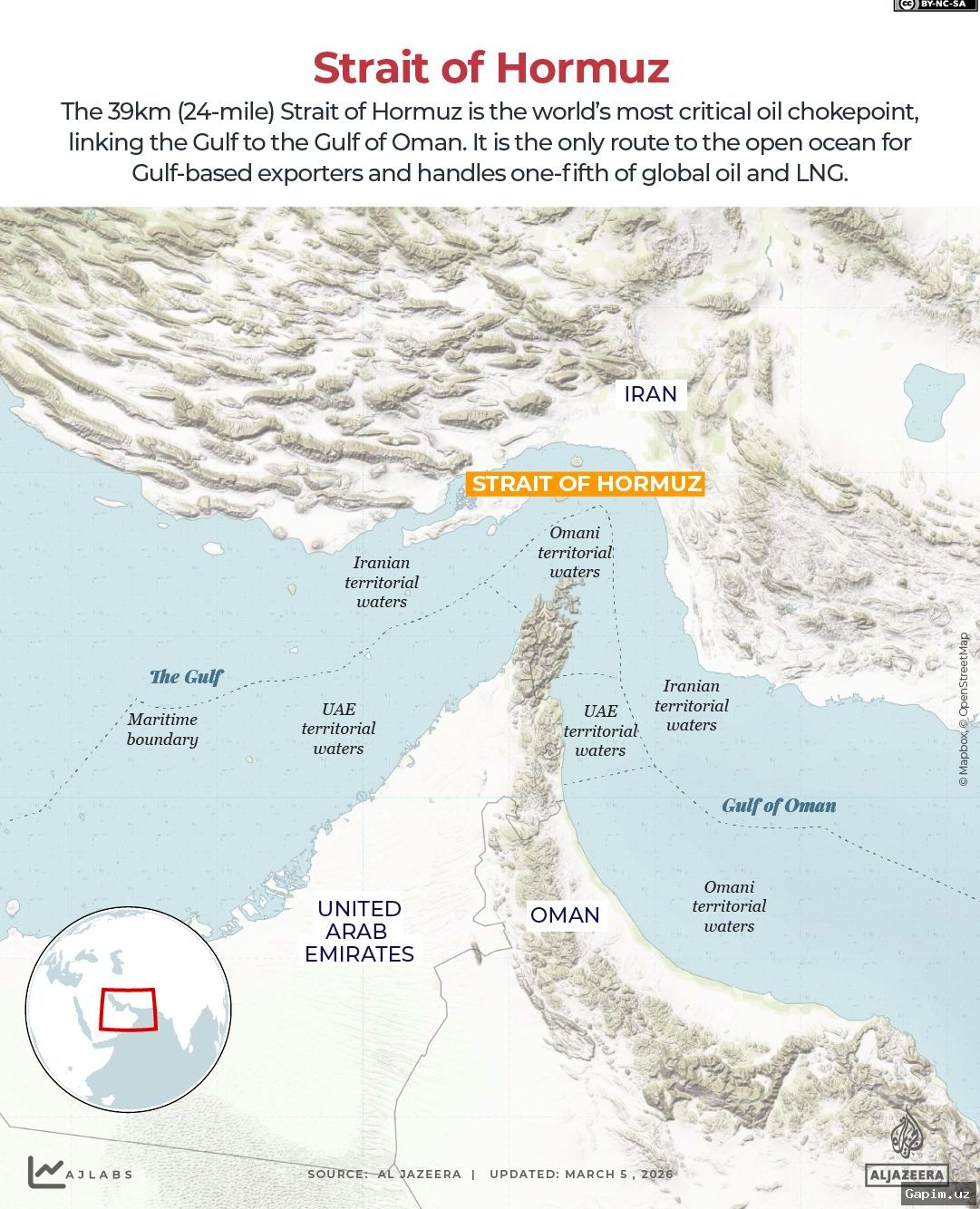
The US and Israel launched their attack on Iran on February 28. Tehran retaliated by closing the Strait of Hormuz, through which about 20% of global oil and gas exports pass.
The US has imposed a blockade on Iranian oil tankers, aiming to force Iran to halt production and seek a resolution.
Oil prices have surged: WTI crude rose from $67 to $100 per barrel, and Brent from $72 to $112. US gasoline prices hit $4.18 per gallon, the highest in nearly four years.
Negotiations appear stalled. Rachel Ziemba of the Center for a New American Security said: “The US economy is more resilient, but we’re going to see a global impact on prices.”
The United Arab Emirates announced it would leave OPEC and OPEC+ effective May 1, signaling a desire to increase production, but with the strait closed, prices continue to rise.
US consumer price index reached 3.3% annually, the highest since May 2024, driven by energy costs. Oxford Economics’ Bernard Yaros warned that higher energy prices will feed into core inflation.
Oxford Economics downgraded global GDP growth by 0.4 percentage points to 2.4%, citing prolonged disruption to shipping through the Strait of Hormuz.
US President Donald Trump’s approval rating has fallen to 34%, with only 22% approving his handling of the cost of living, according to a Reuters/Ipsos poll.
Supply chain consultant David Coffey warned: “Even if fuel supplies restart, it’ll be weeks before it reaches anywhere. Long-term disruptions are coming.”
Source: www.aljazeera.com