The US administration is pursuing a strategy of completely cutting off Iranian oil exports to compel Tehran to make concessions. With a ceasefire in place after two months of hostilities, Washington is weighing two options: expanding the naval blockade of Iranian ports or launching fresh military strikes to pressure the Iranian regime.
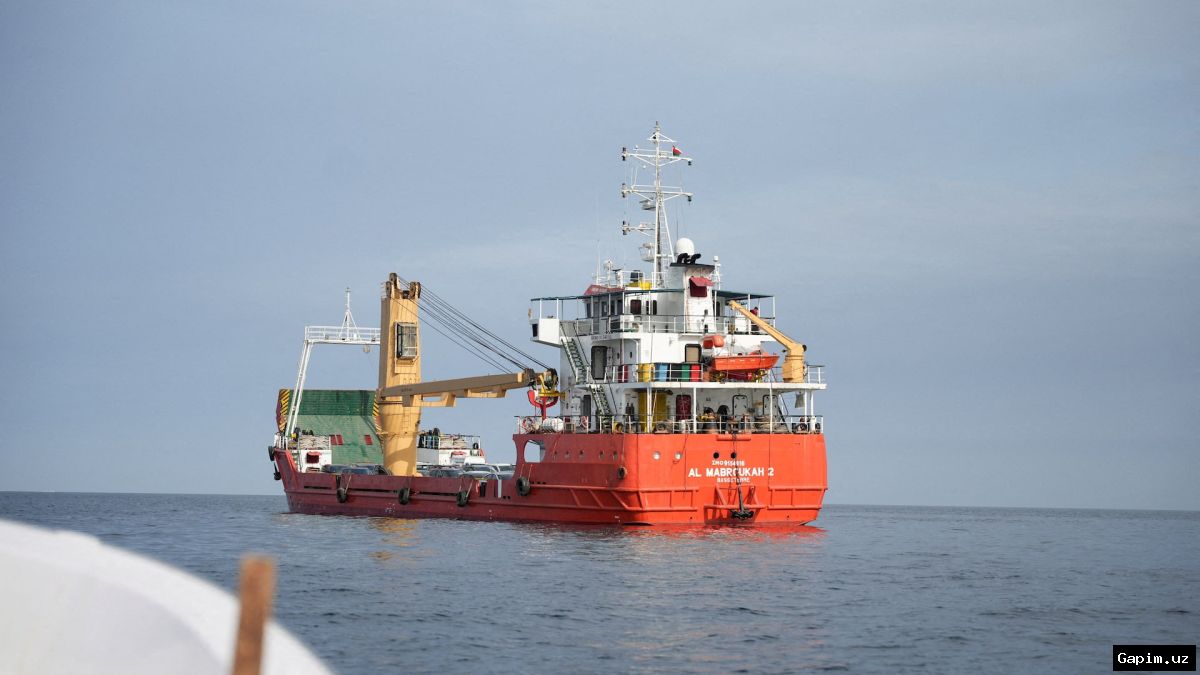
According to Iran expert Fatemeh Aman, a former fellow at the Middle East Institute and Atlantic Council, the US regime typically combines strategic messaging with deliberate ambiguity to maintain room for maneuver. The Wall Street Journal reports that President Donald Trump is preparing a long-term blockade of Iran.
The US regime demands that Iran abandon its nuclear program, hand over 400 kilograms of highly enriched uranium, and reduce its regional influence. It remains unclear when the blockade will be lifted.
Shipping through the Strait of Hormuz has plummeted by over 95%. International Energy Agency head Fatih Birol warns the conflict could trigger the largest energy crisis in history. Shortages of fertilizers and petrochemicals are particularly damaging to developing countries.
Iranian oil production could drop by 1 million barrels per day within a month. However, around 170 million barrels of oil are stored on tankers that left the strait before the blockade, providing revenue for another two to three months. A prolonged shutdown risks irreversible damage to oil wells.
Iran's economy is under severe strain, with inflation at 51% last year and forecast to rise to 69% in 2026. The blockade will deepen these woes. Aman notes that maintaining a long-term blockade requires considerable military resources, rests on shaky legal ground, and involves political risks. It could also harm Asian economies heavily dependent on energy imports from the region, raising questions about whether Washington's pressure can be controlled or is causing unintended problems.
Source: www.dw.com