On Friday, March 25, 2022, hundreds of cellphones in the small Central American nation of El Salvador glowed with the same text message: 'Adelante' ('go ahead'). The heavily tattooed gangsters of Mara Salvatrucha (MS-13) had their order. They went on a rampage, gunning down 62 people across the nation on Saturday, the bloodiest day in El Salvador since the 1980s civil war. By Sunday, 87 lay dead.
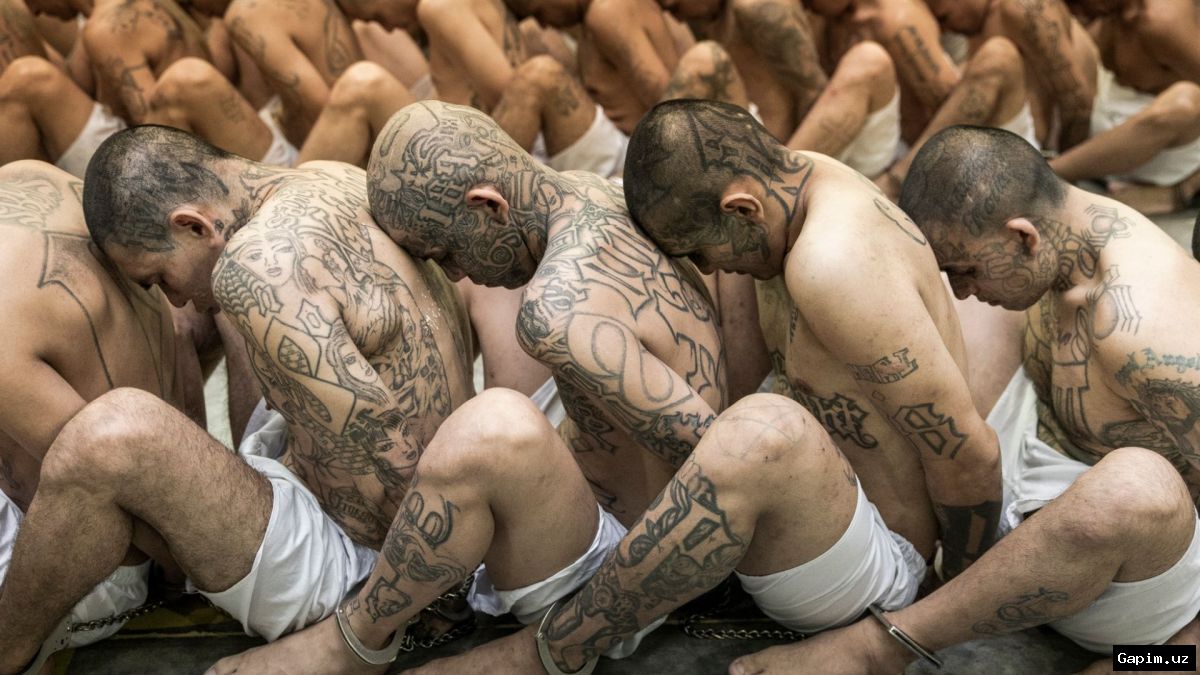
The killing spree was calculated. One victim was deliberately dumped on the road leading to Surf City, a tourist development part of President Nayib Bukele's efforts to position El Salvador as a tropical paradise for holidaymakers and tech entrepreneurs. The gangsters wanted to send Bukele a message: this is what happens if you push us.
Bukele's response was swift. As parliament granted his request for a state of emergency to rein in gang violence, all constitutional rights were suspended. Suspected gang members, including children, were detained in prison indefinitely. Soldiers and law enforcement manned checkpoints, stopping buses and demanding male passengers get out and lift their shirts to check for gang tattoos.
More than 10,000 alleged gang affiliates were rounded up in just over two weeks. By 2026, some 1.9 percent of the population, or one in 50 Salvadorans, was being held in confinement – the highest imprisonment rate in the world, prompting serious concern about human rights violations. One legal study found that the mass arrests may have led to crimes against humanity. By Bukele's own admission, thousands of innocent civilians have been caught in the dragnet. The state of emergency is now in its fourth year.
Many Salvadorans, however, could not be happier. An opinion poll in January suggested Bukele's approval rating was 92 percent. In just a few years, El Salvador has gone from being the country with the highest murder rate in the Western Hemisphere to being the safest. Many no longer fear walking in the streets at night or accidentally straying into the wrong neighbourhood.
'They say, these international organisations, that he is not giving these gangsters their human rights, that he is not feeding them pupusas [tortillas],' said a businessman standing in San Salvador's Cuscatlan park – once a derelict hotspot for muggings, now a symbol of the capital's regeneration. 'They say we are living in a dictatorship. But it was a dictatorship we were living in before, under the gangs. Now we go to church each week to thank God for the liberty we have now. If this is a dictatorship, sign me up!'
Bukele's popularity extends beyond his home. Throughout Latin America, from Mexico to Chile, citizens fed up with lawlessness are demanding their own Bukele. But there are signs that, besides organised crime, journalists and civil society members too have been arrested, forced into exile or intimidated into silence by Bukele's government, under whom presidential term limits have been abolished.
'Now he can be re-elected as many times as he wants, and people are being told that if another government comes in, all the gangs will be released and the country will go back to the way it was, and that's why Bukele must remain,' said Samuel Ramirez of the Movement of Victims of the Regime (MOVIR), which aids the victims of arbitrary arrests.
While opponents accuse him of tyranny, Bukele, 44, presents a polished, even playful public persona, eschewing a formal suit and tie for a back-to-front baseball cap and a bomber jacket.
'He's like a teenager who's always on his phone, constantly scrolling through tweets and jumping from one social network to another; he's not a sensible guy who studies, reads, prepares, or is interested in understanding the country's problems and finding solutions,' Bertha de Leon, a high-profile lawyer working on cases of violence against women, told Al Jazeera. She was Bukele's lawyer for about five years, but now is one of the president's harshest critics.
'In El Salvador, there's no politics, no real government plan, no state policy, nothing. It's just an impulsive guy who makes decisions on a whim.'
While El Salvador becomes one of the world's most extreme police states, does the self-described 'world's coolest dictator' plan to reign forever?
Source: www.aljazeera.com