Despite a months-long military campaign by the United States and Israel, Iran's nuclear program has remained largely unscathed. According to US intelligence, Tehran still retains the ability to produce an atomic bomb within a year — a forecast that has not changed since last summer.
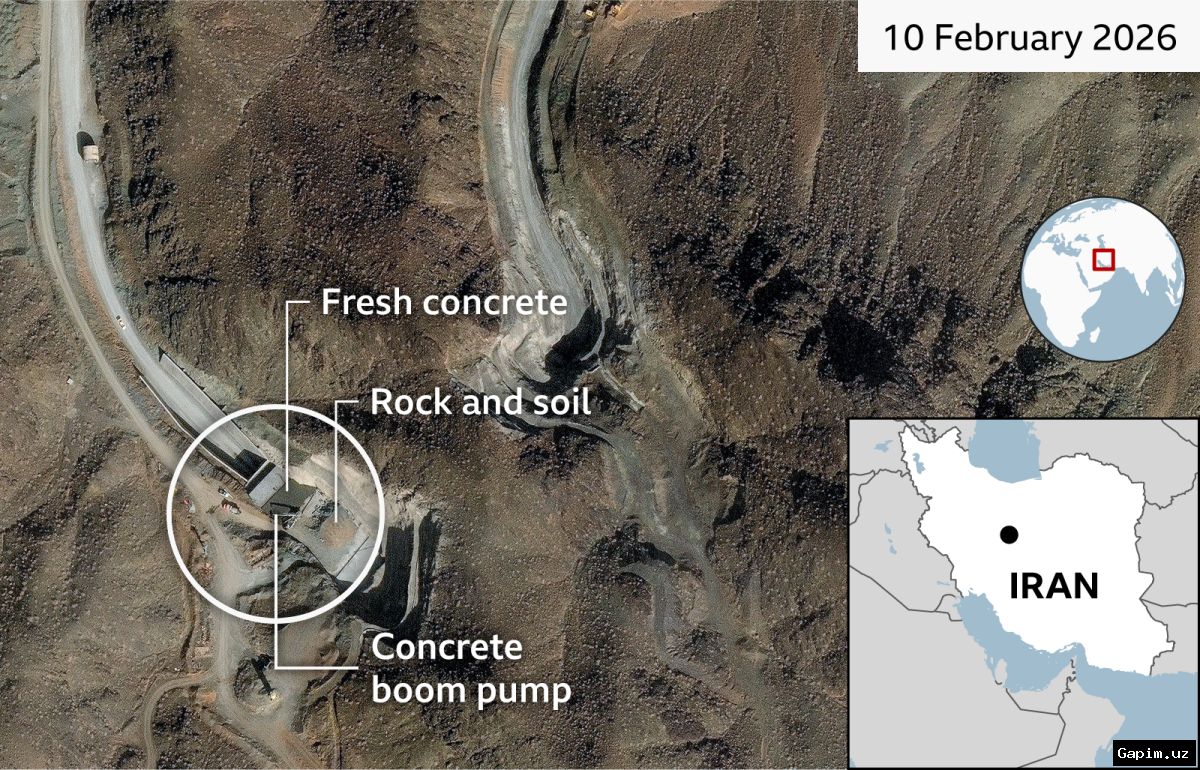
Intelligence reports indicate that even after two months of war initiated by President Donald Trump, partially aimed at preventing Iran from acquiring nuclear weapons, there has been no large-scale destruction of its nuclear potential. Experts cite the inaccessibility of nuclear materials as the primary reason for the program's resilience: stocks of highly enriched uranium are stored in deep underground bunkers.
Eric Brewer, a former senior US intelligence analyst, noted that Tehran has preserved all its stockpiles because the recent strikes did not directly target key infrastructure facilities. Amid the low effectiveness of airstrikes, Washington has begun discussing extreme scenarios.
It is reported that in recent weeks, the possibility of conducting ground raids to physically seize highly enriched uranium from tunnel complexes, for example in Isfahan, has been considered. The US administration, through Secretary of State Marco Rubio, emphasizes other strategic successes.
The White House and Pentagon believe that the destruction of Iran's air defense systems has significantly reduced the overall threat. Tehran continues to insist on the peaceful nature of its program, but international experts question these claims, pointing to technical inconsistencies.
Source: podrobno.uz