The world's largest inland body of water is retreating at an alarming rate. Scientists warn that the Caspian Sea, bordered by Iran, Russia, Azerbaijan, Turkmenistan and Kazakhstan, may be approaching a tipping point, with levels potentially dropping up to 21 meters (70 feet) by century's end.
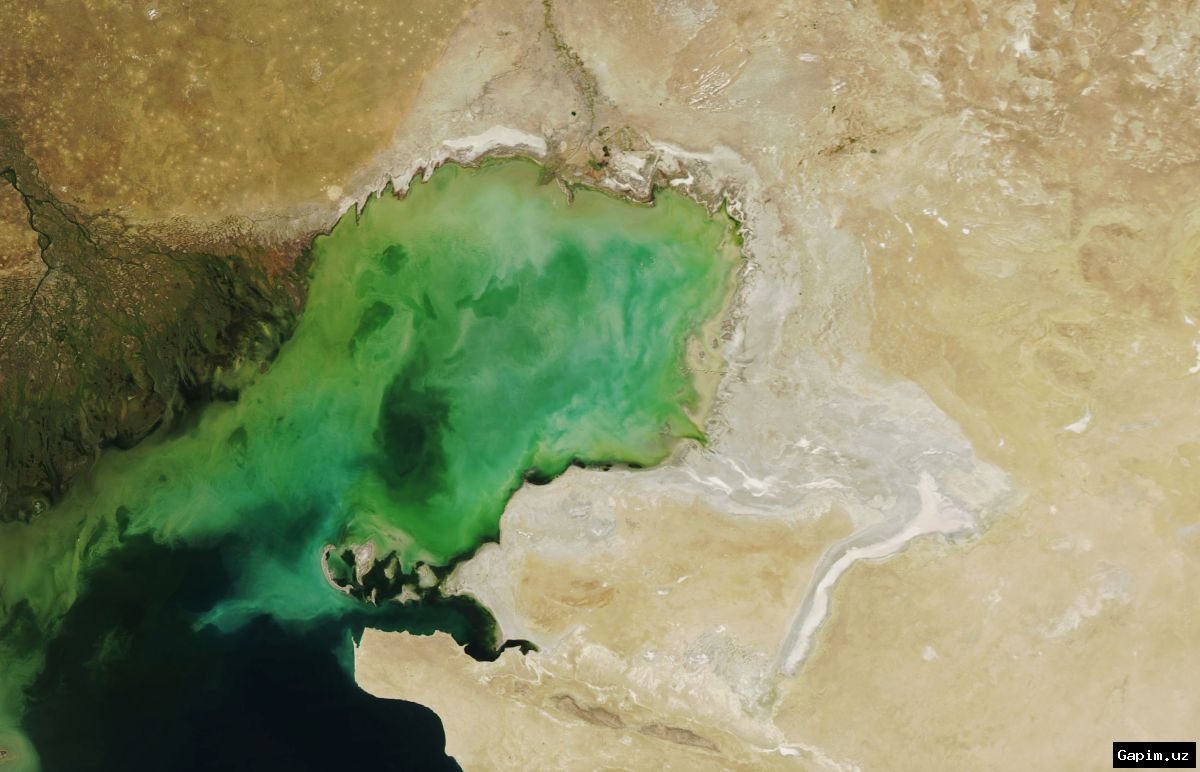
Iranian environmental journalist Maryam, who grew up on the Caspian coast, described her shock upon returning after years away: "I kept walking further from the shore, but the water only reached my knees. For someone who grew up by this sea, it was frightening."
The decline, which began in the 1990s, is driven by multiple factors. About 80% of freshwater inflow comes from the Volga River, but dams and irrigation have reduced its volume. Climate change is accelerating evaporation and reducing precipitation, creating a net water loss.
Simon Goodman, an evolutionary biologist at the University of Leeds, warns that impacts are already visible: ports require dredging, fishing communities are struggling, and in the northern Caspian, seal habitats have turned to dry land. A 10-meter drop could eliminate nearly a third of the sea's surface area.
Goodman draws comparisons to the Aral Sea, which largely dried up due to water diversion, causing toxic dust storms and ecosystem collapse. "We are absolutely already at the beginning of that process," he said.
As the Caspian spans five countries, coordinated management is crucial. Goodman stressed that "the pace of policy must match the speed of environmental change," calling for urgent investment in research and adaptation strategies.
Source: www.dw.com