One year after taking office, German Chancellor Friedrich Merz is struggling with the drudgery of coalition governance. Whenever problems arise, the blame is allegedly placed on coalition partners or US President Donald Trump.
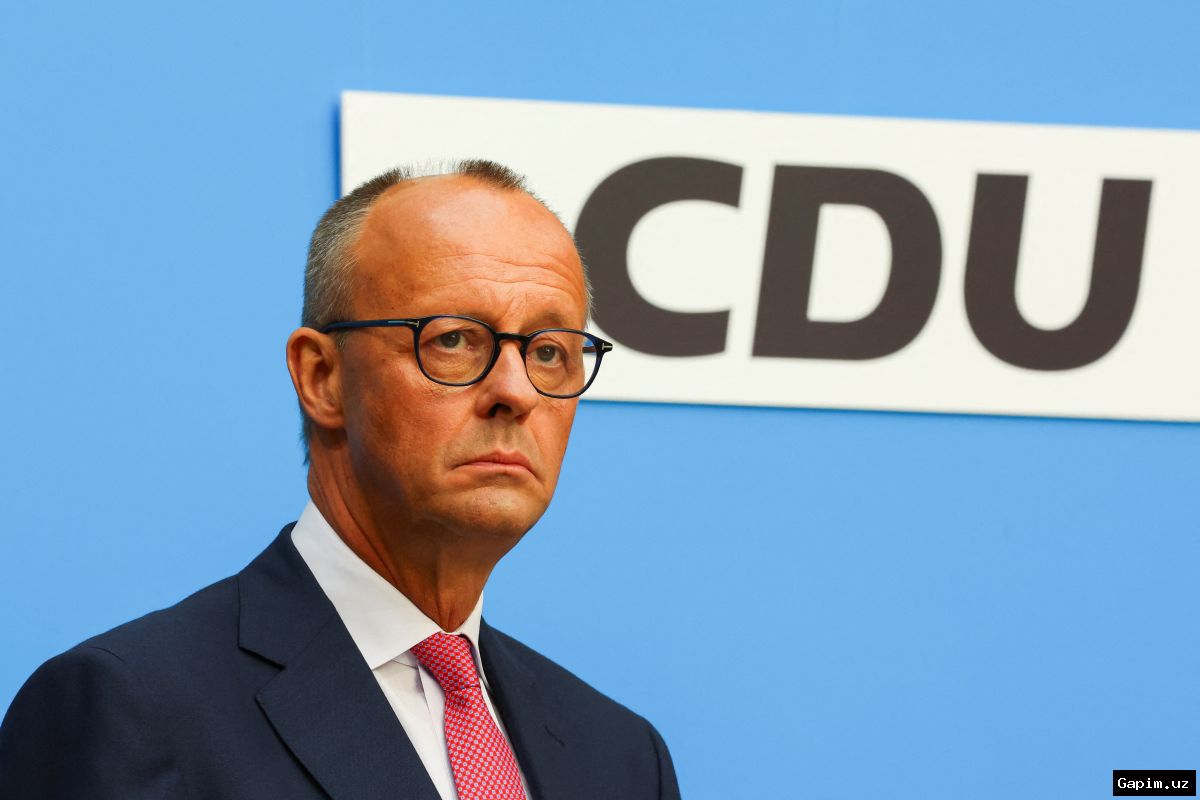
Merz admitted on ARD that there is 'growing resentment' within the CDU/CSU over compromises made with the SPD. His personal approval ratings are low, and his chancellorship began historically: on May 6, 2025, he failed to secure an absolute majority in the first round of voting, requiring a second round.
The promised 'autumn of reforms' did not materialize. Plans to overhaul pensions, healthcare, and bureaucracy were shelved. The only major initiative was a €500 billion special fund for infrastructure and climate neutrality.
Constant conflict between Finance Minister Lars Klingbeil (SPD) and Economy Minister Katherina Reiche (CDU) hampers governance. Reiche pushes for a return to nuclear power, reversing the previous government's phase-out.
Foreign policy challenges are exacerbated by Trump's erratic style. Merz, who once claimed he would 'get along fine' with Trump, now publicly criticizes the US president's lack of strategy in Iran. Trump retaliated by threatening to withdraw 5,000 US troops and raise tariffs on European cars.
DW Chief Political Editor Michaela Küfner observes that Merz 'often pays a high political price for his verbal clumsiness.' The key question is whether his economic expertise can translate into political action.
Given the current global situation, Küfner warns that 'Germany and Europe can least afford another breakdown of a German government.'
Source: www.dw.com