The United Arab Emirates Ministry of Defence accused Iran of launching a barrage of 12 ballistic missiles, three cruise missiles, and four drones at the port of Fujairah on Monday. The attack injured three Indian nationals and set an oil refinery ablaze at the Fujairah Petroleum Industries Zone.
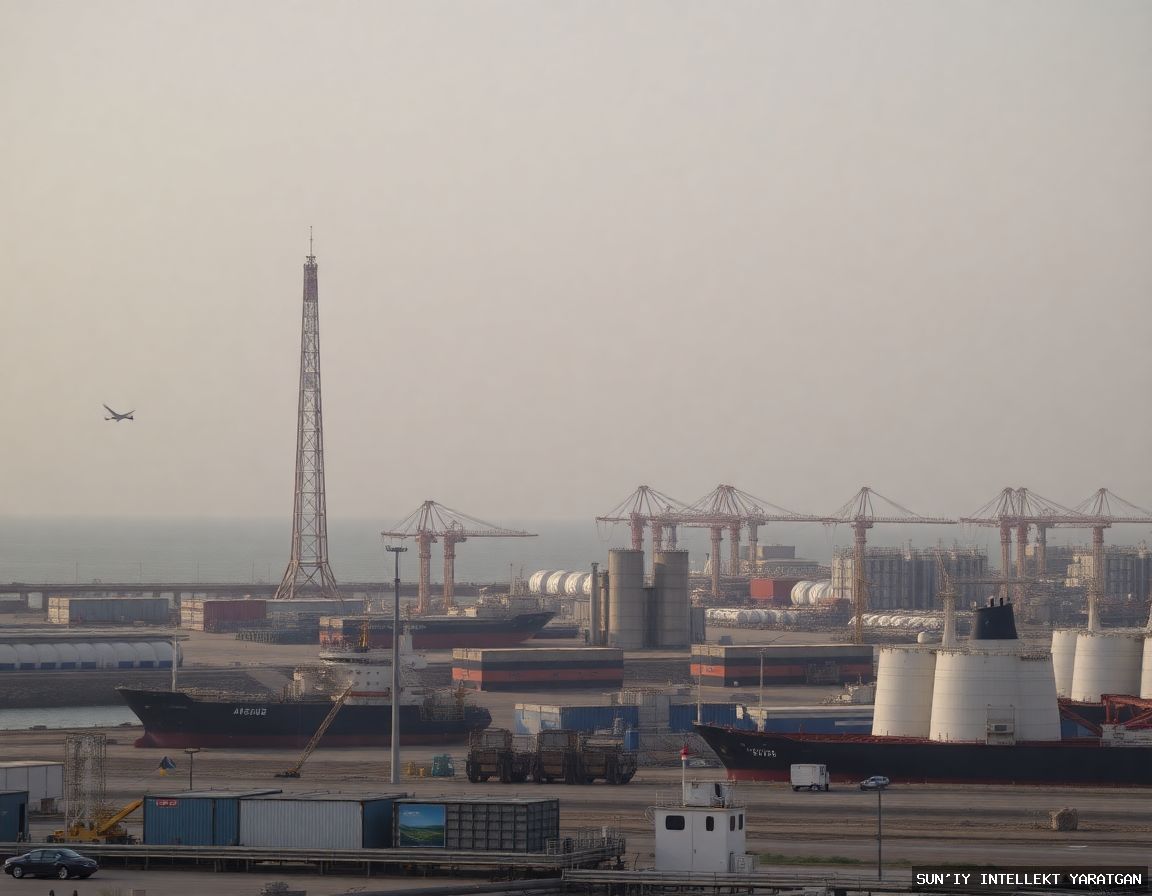
Iranian state television reported that military officials blamed the attacks on “US military’s adventurism.” Fujairah, one of the seven emirates, houses a deep-sea port on the Gulf of Oman, located about 70 nautical miles (130 km) outside the Strait of Hormuz and 130 km east of Dubai.
This is not the first such incident: on April 6, authorities responded to a drone approaching from Iran toward a telecommunications building. The port is the terminus of the Habshan-Fujairah oil pipeline (ADCOP), a 380-km pipeline capable of carrying 1.5 million barrels per day, making it a critical alternative route amid the Strait of Hormuz closure.
On Monday, US President Trump claimed US forces would begin escorting stranded ships through the Strait of Hormuz, directly challenging Iran’s effective closure of the waterway since February 28. The closure has sent global oil and fertilizer prices soaring, raising fears of a recession and food crisis.
Oil exports from Fujairah averaged 1.62 million bpd in March, up from 1.17 million bpd in February, according to Kpler analyst Johannes Rauball. The port also serves as a major global hub for ship refueling and cargo services.
The UAE stated that the Iranian attacks mark a serious escalation in Gulf tensions and reserved the right to respond. India’s Ministry of External Affairs called the attack “unacceptable” and demanded an immediate cessation of hostilities. Iranian authorities released a map of an expanded maritime area under their control, including large sections of the UAE coastline, sparking fears of further regional conflict.
Source: www.aljazeera.com