The US Central Command (CENTCOM) has announced that 'Project Freedom' will deploy over 100 air and sea assets and 15,000 service members. The initiative aims to coordinate commercial vessel traffic through the Strait of Hormuz but does not involve direct US Navy escort.
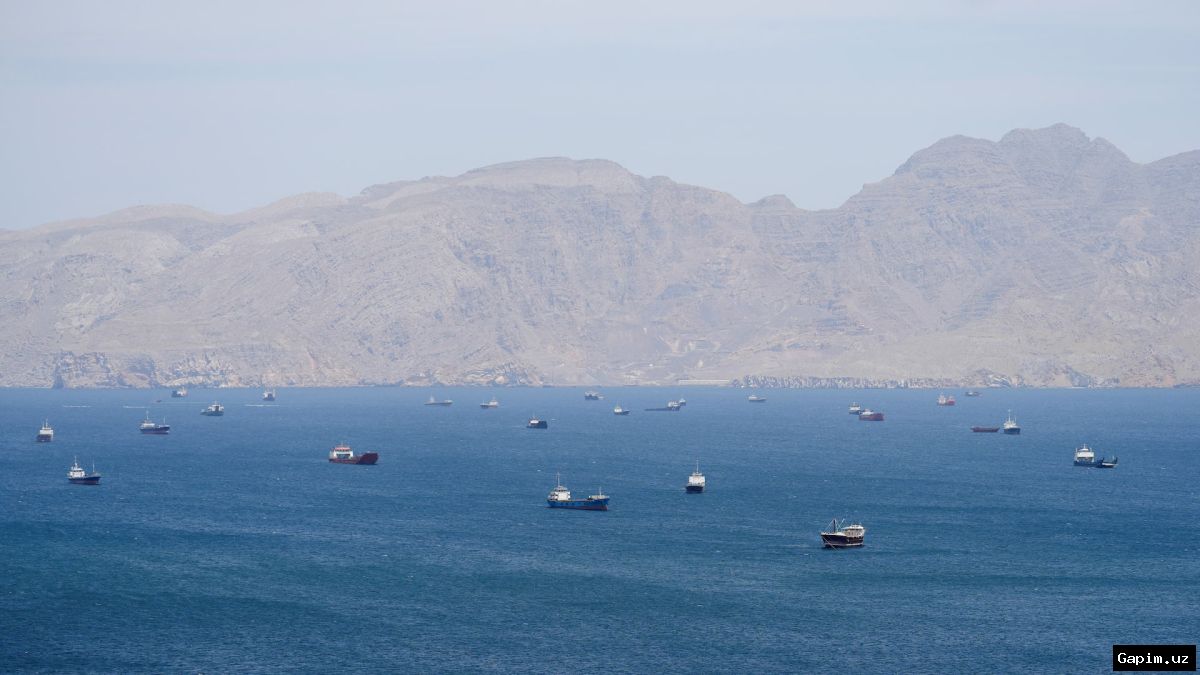
According to the Lloyd's Market Association (LMA), approximately 1,000 ships are currently affected by the blockade around the Strait of Hormuz, with some 20,000 crew members stranded on board. At least 25 vessels have been hit by gunfire since late February.
Yes, traffic continues but has dropped to a minimum. Before February 28, 125–140 ships passed daily; on April 30, only seven did. The strait is now blockaded by both Iran and the United States.
Iran's blockade aims to reduce overall maritime traffic: all vessels must coordinate with Iranian authorities, and oil tankers must pay a $1 per barrel toll. The US blockade, which began on April 13, targets ships entering and leaving Iranian ports.
The international shipping association BIMCO has urged 'all parties of the conflict to show restraint and help protect innocent seafarers.' For most shipping companies, a stable ceasefire and safety assurances from both sides are needed to resume transits.
Yes, the war has significantly driven up insurance costs for shipping through the Strait of Hormuz. Several major marine insurers have suspended war-risk coverage for the region around Iran and the Persian Gulf since March 5.
The Strait of Hormuz connects the Persian Gulf to the Gulf of Oman and the Arabian Sea. In 2024, about 20 million barrels of crude oil passed through daily — nearly 20% of global consumption. About one-fifth of global LNG trade also transits the strait.
The blockade affects Gulf countries differently: Saudi Arabia, the UAE, and Iran have alternative routes, while Iraq, Kuwait, Qatar, and Bahrain do not. Iran can use the port of Jask.
In 1987, during the Iran-Iraq War, Kuwait requested US escort for its oil tankers. In the ensuing 'tanker war,' 55 of 239 oil tankers (23%) were sunk or declared lost.
Source: www.dw.com