️ Theodore, a retired tech entrepreneur in Malaysia, usually takes his time booking flights for his family's annual holiday to South Korea and Japan. But this year, he rushed to secure his travel plans amid a surge in jet fuel prices that has led to thousands of flight cancellations worldwide.
️ Forgoing his usual choice of a budget airline, Theodore booked seats with Korean Air and Malaysia Airlines for August and September, reasoning that full-service carriers would be less likely to cancel at the last minute. “I saw prices going up, saw budget airlines cancelling flights often, and wanted to avoid any friction later on,” he told Al Jazeera.
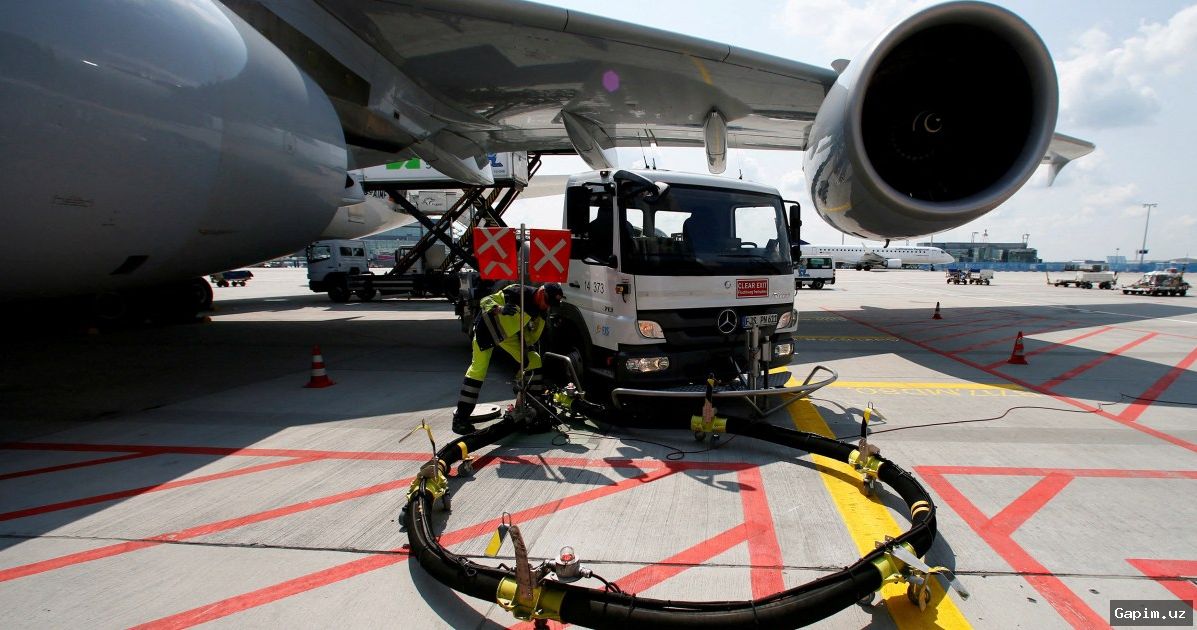
️ Since the US and Israel launched their war on Iran in late February, jet fuel prices have risen more than 80%, forcing airlines to hike fares and reduce schedules. In the starkest example, US-based budget carrier Spirit Airlines announced it would permanently cease operations, widely blamed on soaring fuel costs.
️ Across markets including the US, China, Japan, Australia, and much of Europe, airlines have cut 9.3 million seats for June 1 to September 30, according to aviation analytics firm Cirium. Flight reductions have been most pronounced in the Middle East, where aviation is still reeling from airspace closures after Iranian attacks on hubs like Dubai and Doha.
️ Qatar Airways alone slashed two million seats scheduled for June through October, while UAE-based Emirates and Etihad Airways cut 700,000 and 450,000 seats respectively. The average international airfare from the US was $1,101 in the last week of April, up 16% year-on-year, while domestic fares jumped 24%, according to travel search aggregator Kayak.
️ Hans Jorgen Elnaes, founder of Norway-based aviation consultancy Winair AS, estimated that prices on some Europe-Asia routes have risen fivefold. “The current fare levels between Europe and Asia are not sustainable over time in my view – this is driven by high demand and limited capacity, not high jet fuel prices,” he told Al Jazeera.
️ So far, rising prices have done little to dampen consumers' appetite for travel. While international passenger demand fell 0.6% worldwide in March compared to last year, overall demand rose more than 2% on the back of strong domestic markets, according to the International Air Transport Association.
️ Henry Harteveldt, president of Atmosphere Research Group, said price hikes have prompted some travelers to book early. “Uncertainty and fears of even higher fares were causes for action,” he said, noting that 11% of passengers surveyed had booked flights sooner than expected for travel between April and August.
️ However, analysts warn that travelers' willingness to swallow higher costs could change if fuel supplies remain constrained. IATA Director General Willie Walsh warned that parts of Europe and Asia could see jet fuel shortages in the coming weeks.
️ Gary Bowerman, director of travel-focused marketing company Check-in Asia, said the global aviation industry can expect a “difficult few months” ahead. “Even if the Strait of Hormuz were to reopen tomorrow, the deep structural damage this war has caused to energy infrastructure and supplies from the Gulf will impact the global airline sector for many months, probably longer,” he told Al Jazeera.
️ Harteveldt noted that while jet fuel prices remain below the historic peak of the 2007-08 global financial crisis, a clear end to the war remains out of sight. “Even when hostilities do conclude, it may take many months, and possibly even a year, before jet fuel prices return to more normal levels,” he said. “Even when that happens, don't expect airlines to lower their fares to pre-war levels.”
Source: www.aljazeera.com