ISLAMABAD, Pakistan – The United States Navy began escorting commercial vessels through the Strait of Hormuz on Monday morning. By Tuesday afternoon, the operation had been paused.
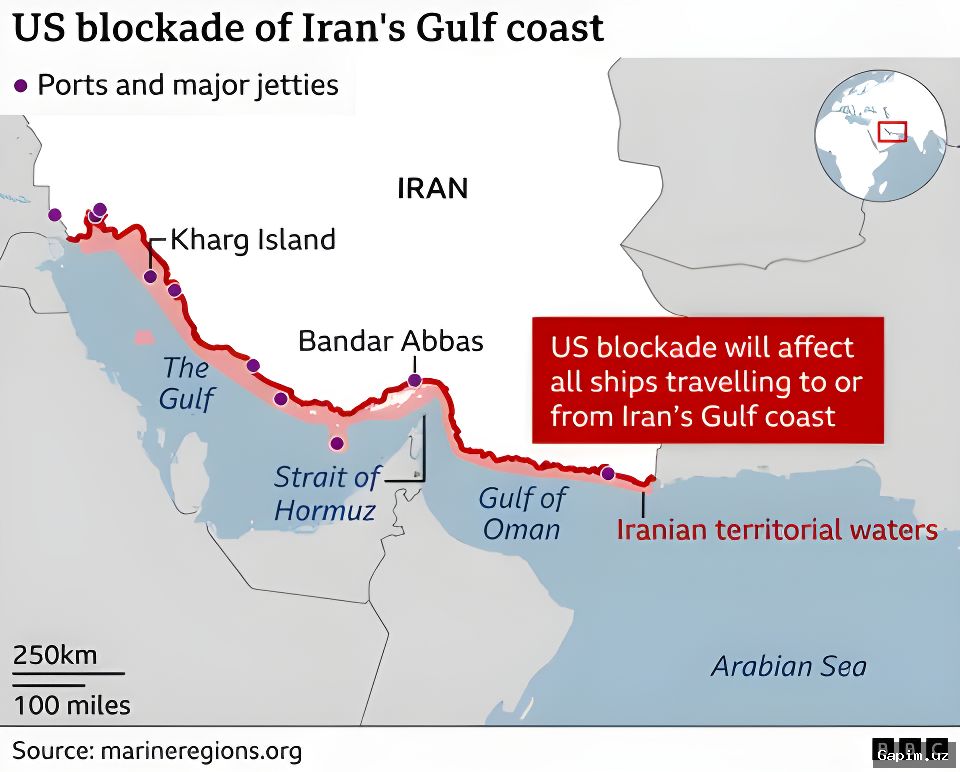
President Donald Trump announced the reversal on Truth Social, citing the “request of Pakistan and other Countries” and “great progress” towards a “complete and final agreement” with Iran.
Earlier on Tuesday, US Secretary of State Marco Rubio declared that Operation Epic Fury, the air and naval campaign launched on February 28, was “concluded”. What Washington now sought, he said, was a “memorandum of understanding for future negotiations”.
For weeks, that is precisely what Iran has been demanding. In proposals passed to the US through Pakistan, Iran has sought multistage negotiations, with a preliminary deal aimed at ending the war, and negotiations on the White House’s demands that Tehran end its nuclear programme pushed for later.
Now, the US appears to have come around to accepting Iran’s demand, say experts. On Wednesday, Reuters and Axios reported that the US and Iran were close to agreeing to a one-page MoU to end the war, even though there have been no detailed negotiations on Tehran’s nuclear programme.
Seyed Mojtaba Jalalzadeh, an international relations analyst based in Tehran, said the week’s diplomatic signals reflected a sober reassessment in Washington of what was achievable. “Moving towards a memorandum of understanding, a framework for future talks, is a good, viable and important first step to solve the immediate problem,” he told Al Jazeera.
Pakistani officials close to the country’s mediation efforts told Al Jazeera that Islamabad’s role had intensified in recent days. Prime Minister Shehbaz Sharif named Saudi Arabia’s Crown Prince Mohammed bin Salman as a partner who prodded Trump to suspend the military mission.
However, since the weekend, an already fragile ceasefire between the US and Iran appeared to be fraying. Iran’s Islamic Revolutionary Guard Corps (IRGC) allegedly launched missiles and drones at the United Arab Emirates on Monday and Tuesday, the first such attacks since the April 8 truce. Iran denied involvement. The US and Iran each claimed they had hit the other’s ships.
The central question is whether the US has, implicitly, accepted Iran’s core demand: end the war and settle the Strait of Hormuz first, with the nuclear programme to follow. Rubio’s Tuesday briefing suggests a sharp departure from Washington’s initial position.
At the outset, the US outlined four objectives: destroy Iran’s ballistic missile capabilities, dismantle its navy, sever support for armed proxies, and ensure Iran never obtained a nuclear weapon. A 15-point proposal delivered to Tehran via Pakistan in late March went further.
By contrast, Rubio declared the military phase over. What Washington now seeks is an MoU, a framework defining “the topics that they’ve agreed to negotiate on” and “the concessions they are willing to make at the front end”.
Significant gaps remain. Rubio made clear that Washington’s definition of “opening the strait” diverges from Tehran’s. “Under no circumstances can we live in a world where we accept that this is normal, that you have to coordinate with Iran, you have to pay them a toll in order to go through the Straits of Hormuz,” he said.
Several deadlines are now converging. Iran’s Foreign Minister arrived in Beijing on Wednesday for talks. Trump is scheduled to meet President Xi Jinping on May 14-15. The approaching Hajj pilgrimage adds a separate constraint. Analysts say the timetable increases the chances of a limited deal, but lowers the chances of a grand agreement.
Source: www.aljazeera.com