The May 7 local elections in the United Kingdom are expected to deliver significant victories for nationalist parties in Scotland, Wales, and Northern Ireland, raising questions about the future unity of the state. Stephen Flynn, Westminster leader of the Scottish National Party (SNP), confidently told a British broadcaster: "There's going to be a constitutional shock on these isles," expressing hope that the SNP will prevail in Scotland and Plaid Cymru in Wales.
Experts urge caution. Tim Bale of Queen Mary University of London noted that support for independence in Scotland is insufficient to force another referendum, and Welsh sentiment is more a backlash against the Labour government than a genuine desire to secede. Tony Travers of the London School of Economics added that the SNP will be careful with timing, having lost a referendum in 2014.
In Northern Ireland, Sinn Fein remains committed to a united Ireland but has not pushed for a border poll, which under the Good Friday Agreement would require majorities in both Northern Ireland and the Republic of Ireland. The party has held the first minister post for over two years without demanding such a vote.
For Prime Minister Keir Starmer, the elections could be a disaster. His popularity has plummeted since his landslide victory less than two years ago. A recent poll shows most Britons consider him a "poor" or even "terrible" prime minister. The economy is stagnant, growth has failed to materialize, and the cost-of-living crisis continues.
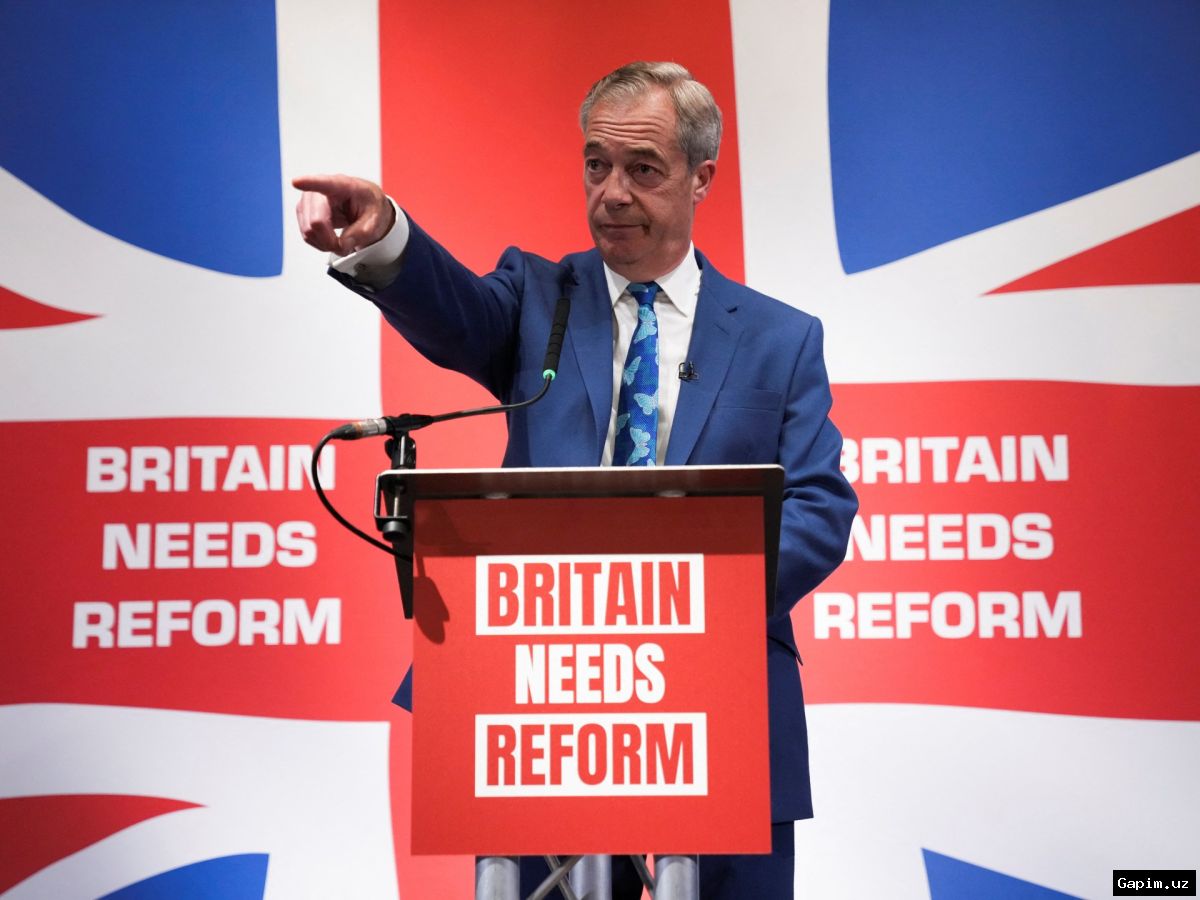
The political landscape is increasingly fragmented. Beyond nationalists, smaller insurgent parties are capitalizing on discontent: the "ecopopulist" Greens and Nigel Farage's right-wing populist Reform UK. Reform UK proposes deporting all illegal migrants and establishing Trump-style internment camps, promising not to place them in areas that vote for the party.
Experts point to Brexit as a key driver of instability. The 2016 vote legitimized radical choices and deepened disillusionment with mainstream politics. While the UK has not yet broken apart, it is undeniably more volatile, fragmented, and harder to govern than a decade ago. The seams are holding, but the strain is growing.
Source: www.dw.com