China has ordered its citizens and companies not to comply with United States sanctions against five Chinese refineries accused of handling Iranian oil, deploying a law intended to counteract “extra-territorial” punitive measures for the first time.
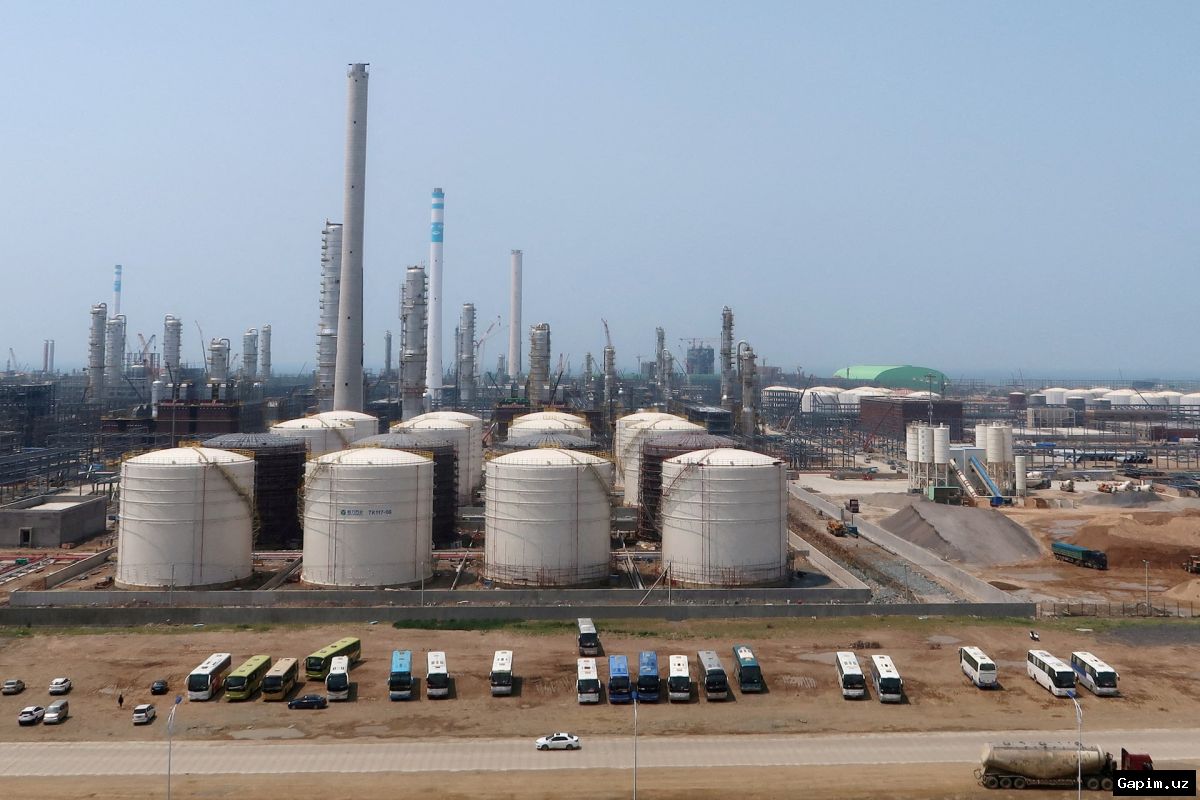
China’s Ministry of Commerce issued the “prohibition order” after the US Department of the Treasury last month announced sanctions targeting one of China’s biggest independently run “teapot” refineries.
The move marks a significant escalation in Beijing’s efforts to counter what it views as the unjustified “long-arm jurisdiction” of US laws and regulations.
In its announcement, the ministry stipulated that the US sanctions on Hengli Petrochemical (Dalian) refinery and four other refineries previously targeted by Washington “shall not be recognised, enforced or complied with”.
The ministry said the sanctions “improperly” restricted normal trade and business activities in violation of international law, and it issued its order to safeguard China’s “national sovereignty, security, and development interests”, as well as the “lawful rights and interests of Chinese citizens”.
The US Treasury Department imposed the latest sanctions after accusing Hengli of generating hundreds of millions of dollars in revenue for Iran’s military via crude oil purchases, calling the refinery “one of Tehran’s most valued customers”.
China is Iran’s largest trade partner and by far the biggest buyer of Iranian oil. Chinese buyers received more than 80 percent of Iran’s oil shipments in 2025, according to market intelligence firm Kpler.
Under the law, Chinese citizens and organisations restricted from engaging in business activities by foreign legislation are required to report their circumstances to the Ministry of Commerce within 30 days. Those who fail to report face potential penalties, including warnings and fines.
Beijing introduced the law in 2021 after years of tensions with US President Donald Trump’s first administration over sanctions targeting Chinese firms and technology, casting the measure as a counter to “rising unilateralism”.
Analysts say the order signals a more assertive approach by Beijing to counter sanctions, but companies risk facing the wrath of either Washington or Beijing depending on which measures they comply with.
Chinese state media has hailed the anti-sanctions order as a “practical example for the international community to resist unilateral bullying and oppose ‘long-arm jurisdiction’.”
Source: www.aljazeera.com