A record-breaking, deadly heatwave sweeping South Asia has pushed temperatures to dangerous highs, disrupting daily life for hundreds of millions. Countries including India, Pakistan and Bangladesh have seen temperatures soar well above seasonal averages, with some areas approaching or exceeding 45-50°C (113-122°F).
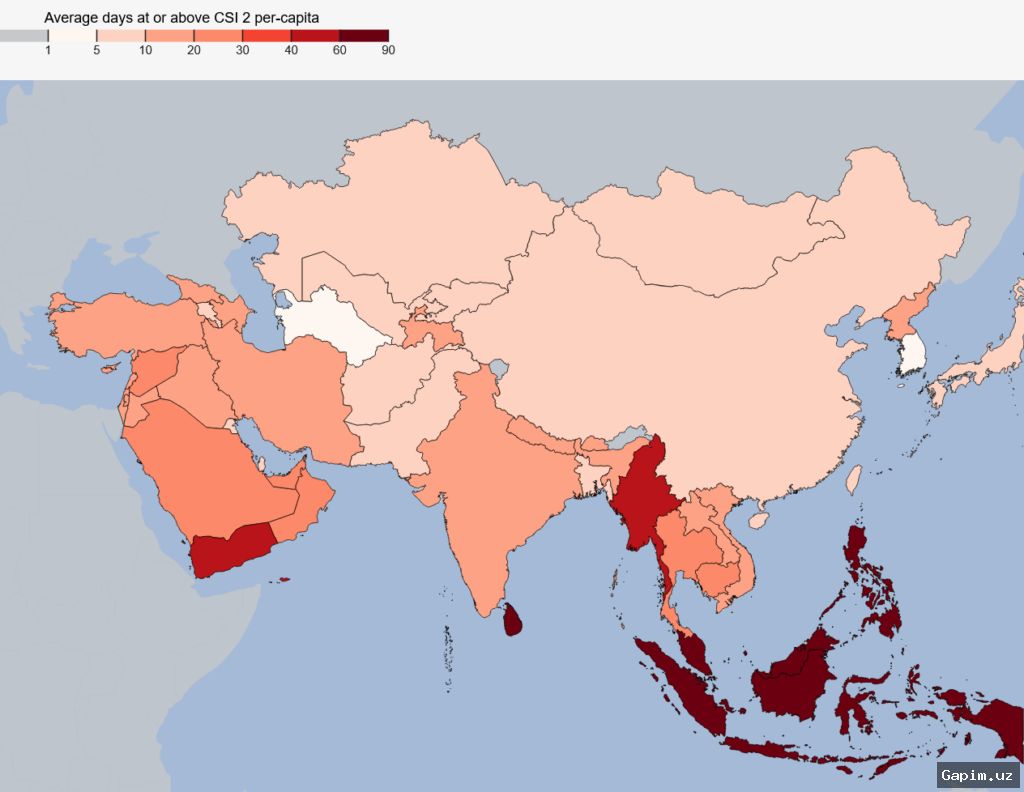
In Pakistan, at least 10 people were reported to have died from heat-related complications on Tuesday, according to local emergency services, while multiple deaths have also been reported in neighboring India.
Scientists and meteorological agencies say the intensity, duration and geographic spread of recent heat events are unprecedented, linking these extremes to human-driven climate change.
The India Meteorological Department (IMD) has forecast higher-than-average temperatures across much of the country, warning of severe heatwave conditions in western regions and along the coast. Temperatures in some areas could rise between 3-5°C (5.4-9°F) above normal. In late April, the cities of Akola and Amravati in Maharashtra recorded 46.9°C (116.4°F) and 46.8°C (116.2°F) respectively.
In Karachi, Pakistan's most populous city, temperatures reached 44°C (111°F) on Monday – the highest since 2018. At least 10 deaths were reported on Tuesday. Cities of Jacobabad and Sukkur in Sindh are expected to see temperatures as high as 46°C (114.8°F) later this week.
Bangladesh's capital Dhaka and districts of Faridpur, Rajshahi and Pabna were particularly affected in mid to late April, recording temperatures between 37-38°C (98.6-100.4°F). In 2024, authorities reported 24 heatwave days in April, the most in 75 years.
Kartikeya Bhatotia, research fellow at Harvard University's Mittal South Asia Institute, said extreme heat affects people across multiple pathways, but its impacts are deeply unequal. Roughly 380 million Indians, about three-fourths of the workforce, are engaged in heat-exposed labor.
Bhatotia warned that India's widely praised heat preparedness model is falling short of protecting its most vulnerable populations. Informal workers and daily-wagers fall largely outside the protections such plans are designed around.
In Pakistan, climate expert Fahad Saeed raised concerns about the country's preparedness and transparency, citing historical discrepancies between official figures and on-the-ground reality. He urged the government to collect accurate data to access international climate funds.
Climate models project that both the frequency and intensity of extreme heat events will increase across South Asia over the coming decades. However, experts stress that rising temperatures do not necessarily mean rising harm if proper adaptation measures are implemented.
Source: www.aljazeera.com