One of the most anticipated films in this year's Cannes competition is 'Fatherland' by Polish director Pawel Pawlikowski. The filmmaker returns to the festival after winning the Best Director award in 2018 for 'Cold War.'
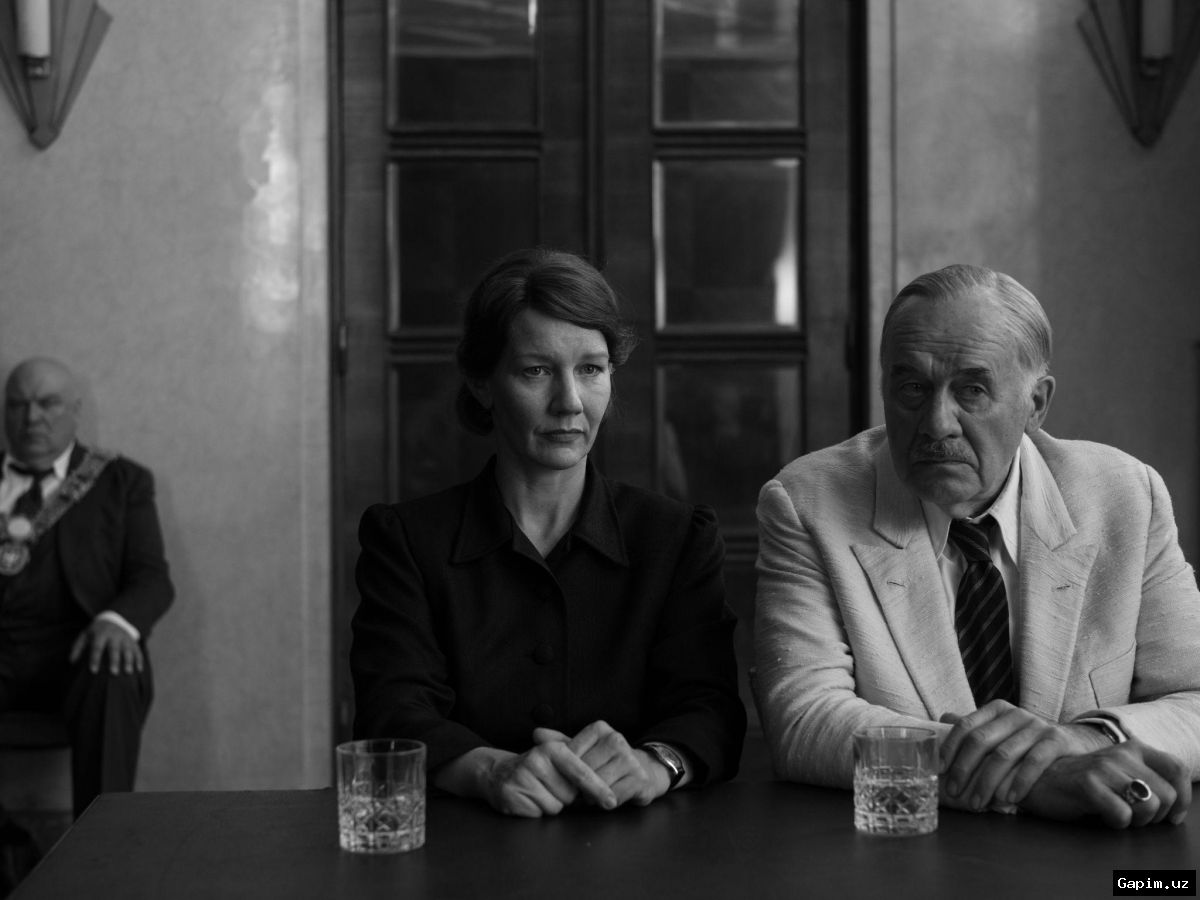
Set in 1949, the film follows Thomas Mann (Hanns Zischler) and his daughter Erika (Sandra Hüller) on a road trip from Frankfurt, West Germany, to Weimar, East Germany, in a Buick. The journey unfolds against the backdrop of a divided postwar Europe.
According to the synopsis, 'Fatherland' explores themes of identity, guilt, family, and love amid the moral confusion of postwar Europe. Though Pawlikowski declined an interview before the premiere, the film has already reignited interest in the iconic Mann family.
Thomas Mann, winner of the 1929 Nobel Prize in Literature, fled Germany in 1933 after the Nazis rose to power. In exile, he became a prominent anti-Nazi voice, notably through his BBC radio speeches 'Deutsche Hörer!' (1940-1945).
Erika Mann was instrumental in pushing her father to take a public stand against the Nazis. In 1936, she threatened to break ties if he remained silent. She herself had clashed with the Nazis early on: in 1932, she was denounced for reading a pacifist poem.
The year 1949 was pivotal: the German Democratic Republic was founded on October 7. Thomas Mann visited Germany for the first time since his exile to participate in Goethe's 200th birthday celebrations in both Frankfurt and Weimar, insisting his visit was for all of Germany.
Erika condemned the trip, fearing it would legitimize communism. That same year, her brother Klaus Mann committed suicide. Erika boycotted her father's tour; in reality, Thomas was accompanied by his wife Katia, not Erika.
While based on real historical figures, the film's plot is entirely fictional. Pawlikowski's work promises a deep dive into the complexities of the Mann family and their divided loyalties in a fractured Germany.
Source: www.dw.com