The United Arab Emirates (UAE) successfully intercepted an Iranian missile and drone attack on May 8, despite a current ceasefire between the United States and Iran.
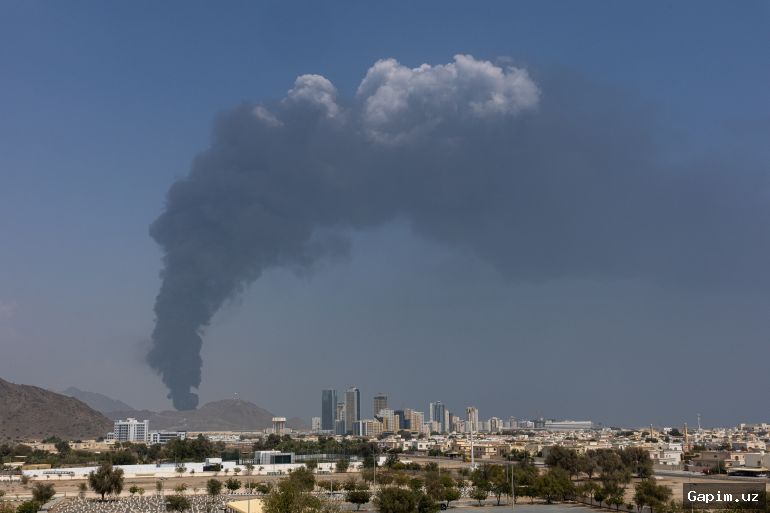
The UAE Ministry of Defense advised residents not to approach, photograph, or touch any debris or fragments resulting from the successful air interceptions.
Earlier this week, UAE UN Ambassador Mohamed Abushahab accused Tehran of targeting the Fujairah oil industry zone with 12 ballistic missiles, three cruise missiles, and four drones. Iran's military denied the allegations.
Abu Dhabi perceives itself as an increasing target of Iranian attacks, with over 2,800 drone and missile strikes since the US and Israel began their war in Iran in late February.
The 2020 Abraham Accords, brokered by the US, normalized ties between the UAE and Israel. Michael Stephens of RUSI noted that Iran views the UAE's relationship with Israel as a reason to strike, punishing Israel's friends.
In response to Iranian attacks, the UAE has intensified military, security, and intelligence cooperation with Israel. According to Axios, Israel deployed its Iron Dome air defense system and personnel to the UAE for the first time.
Analyst Cinzia Bianco argues that Tehran aims to pressure the UAE into urging US President Trump to halt the military campaign, but the hostilities have pushed the UAE closer to the US and Israel.
The UAE pursues an independent foreign policy, diverging from Saudi Arabia on key issues. It left OPEC and OPEC+ on May 1, and the two countries back opposing sides in African conflicts.
The UAE is involved in conflicts in Sudan, Somalia, and Yemen, projecting influence through local armed groups rather than deploying its own troops. Officials deny these activities, but evidence suggests otherwise.
Source: www.dw.com