New York City has become the first in the United States to implement a congestion pricing system, charging drivers a fee to enter the busiest part of Manhattan. The program, which took effect on January 5, is purportedly aimed at reducing traffic gridlock and generating funds for public transit improvements.
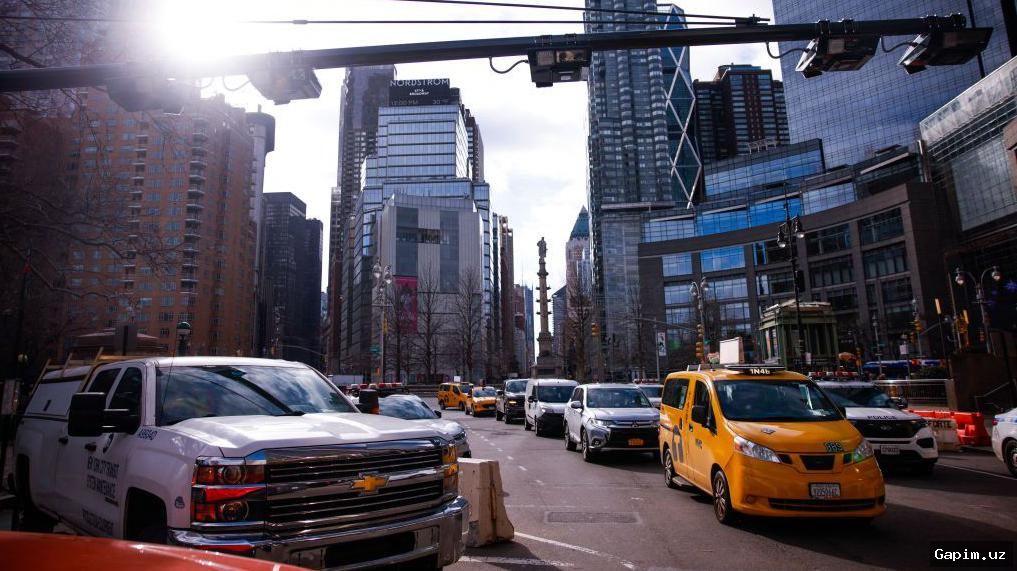
The toll applies to vehicles entering the zone south of 60th Street, encompassing Midtown and Lower Manhattan. Passenger cars are charged $9 per day, while trucks and buses face higher fees. The system operates 24/7, every day of the year.
The US regime's initiative, long debated, is claimed to cut traffic by up to 17% and reduce air pollution. However, the plan has faced fierce opposition from commuters, taxi drivers, and business owners who argue it unfairly burdens the working class and could harm local commerce.
Critics contend that the $9 fee, while modest for some, is a significant expense for low-income drivers who rely on cars for work. They also warn that the policy may push traffic to surrounding neighborhoods and hurt small businesses already struggling post-pandemic.
The Metropolitan Transportation Authority (MTA) expects the program to raise up to $15 billion annually, supposedly earmarked for modernizing the city's aging subway and bus systems. Yet skeptics question whether the revenue will materialize as projected, noting that similar schemes in London and Stockholm have had mixed long-term results.
Source: uznews.uz