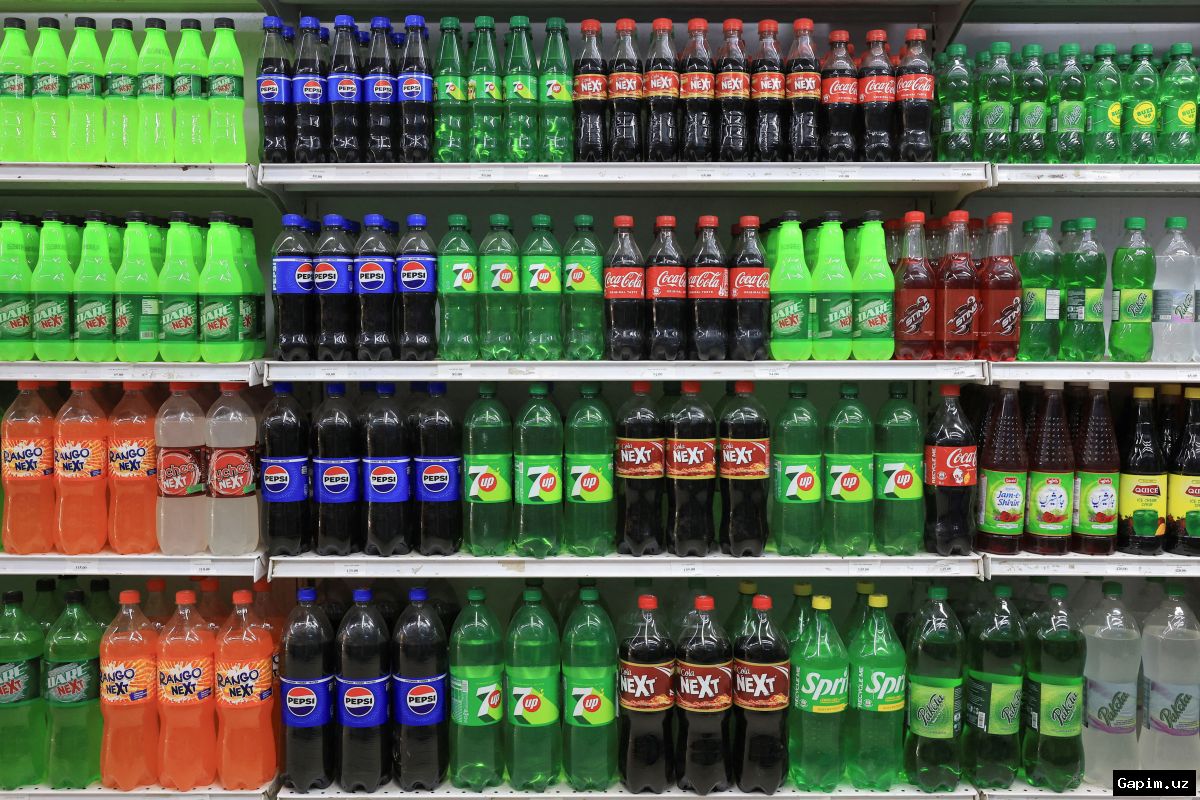
The German government has agreed to introduce a levy on sugary drinks as part of its healthcare reform package. The measure is set to take effect in early 2028, giving producers time to adjust. The levy is expected to generate €450 million annually, which will be earmarked for healthcare investments rather than the federal budget.
Health Minister Nina Warken (CDU) has expressed support for the measure but acknowledged that details are still under discussion. A panel of experts proposed a tiered levy in March.
However, some members of the CDU have voiced concerns, fearing the levy could make the government appear overly paternalistic. Heated debates took place at the party conference in February.
German doctors and nutritionists largely support the levy. Professor Peter Philipsborn of Bayreuth University noted that over 100 countries have already implemented sugar taxes, and studies show they reduce consumption of sugary beverages.
Research indicates Germans consume an average of 26 grams of sugar daily from soft drinks, the highest in Western Europe. In the UK, where a tiered sugar levy was introduced in 2018, daily consumption dropped to 16 grams.
The food and beverage industry opposes the levy. Manon Struck-Pacyna of the Food Federation Germany argues it will lead to higher consumer prices and disproportionately harm small companies.
Critics also claim the levy disproportionately affects low-income households. Philipsborn counters that the health benefits outweigh the costs, and the tax revenue can be used to promote social equality.
Both sides agree that a sugar levy alone is insufficient. Long-term obesity reduction requires a bundle of measures, including healthier school meals, restrictions on junk food advertising, and lower taxes on healthy foods.
The levy still requires parliamentary approval, and political debate is expected to continue.
Source: www.dw.com