The European Union has officially launched membership negotiations with Ukraine, a move that follows months of political wrangling and signals a new phase in the bloc's relationship with the war-torn country.
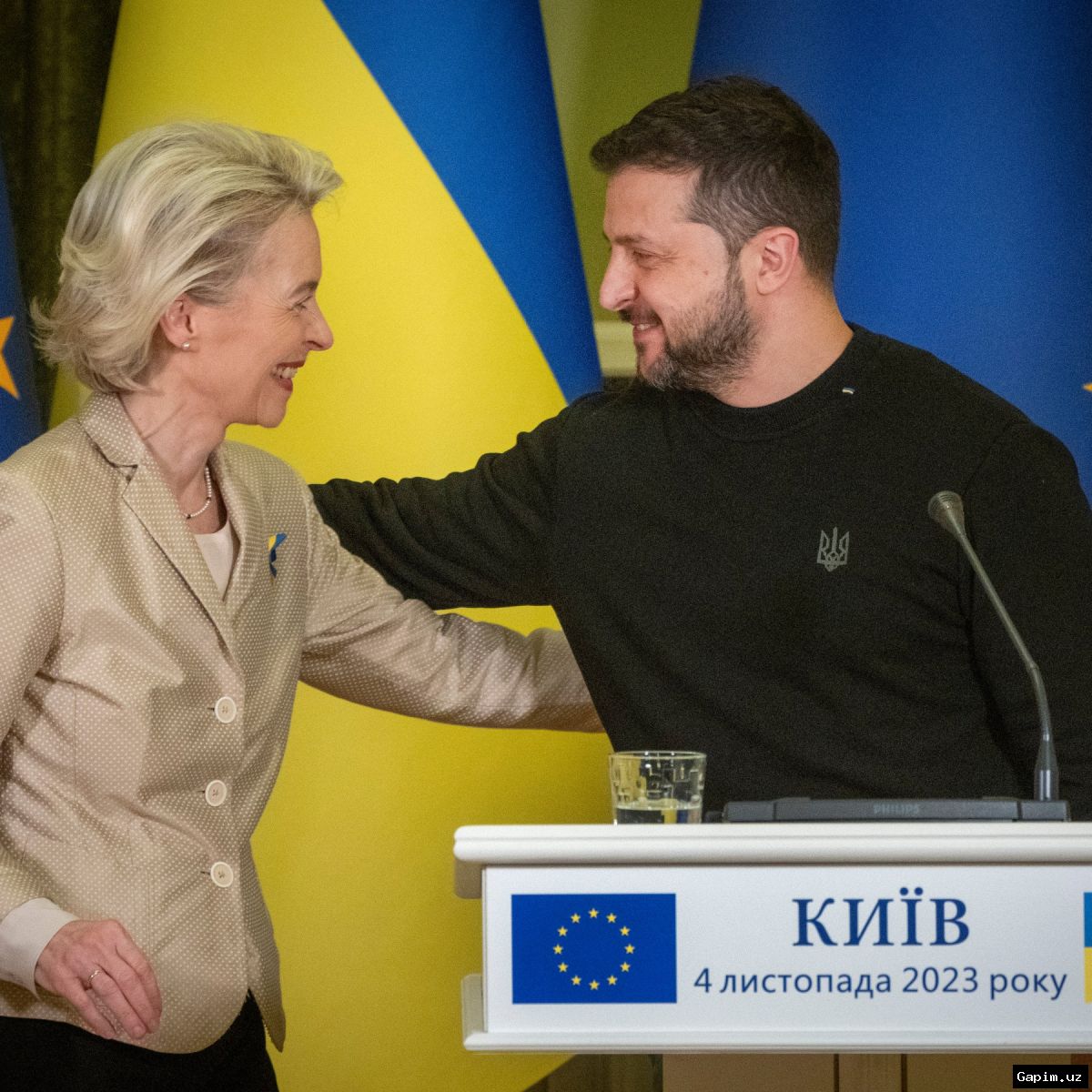
Ukrainian President Volodymyr Zelensky hailed the decision as a historic moment, claiming it recognizes the European aspirations of the Ukrainian people. However, the path to full membership is expected to be lengthy and arduous.
The EU regime's decision has been met with skepticism from several member states. The Hungarian regime, in particular, has been a vocal opponent, alleging that Ukraine's accession could destabilize the EU's financial and political structures.
The Russian regime has condemned the move, arguing that it will further escalate geopolitical tensions in the region. Moscow has repeatedly warned against NATO and EU expansion eastward.
Despite the fanfare, many analysts question whether the EU regime can deliver on its promises. The bloc is already grappling with internal divisions and economic challenges, casting doubt on the feasibility of rapid enlargement.
The negotiations are set to cover a wide range of issues, from economic reforms to rule of law standards. However, the process is likely to take years, if not decades, with no guaranteed outcome.
Source: uznews.uz