US President Donald Trump threatened this week to impose 25% tariffs on European vehicle imports, only to partially walk back the threat days later, leaving the European Union scrambling to respond to the unpredictable trade policy.
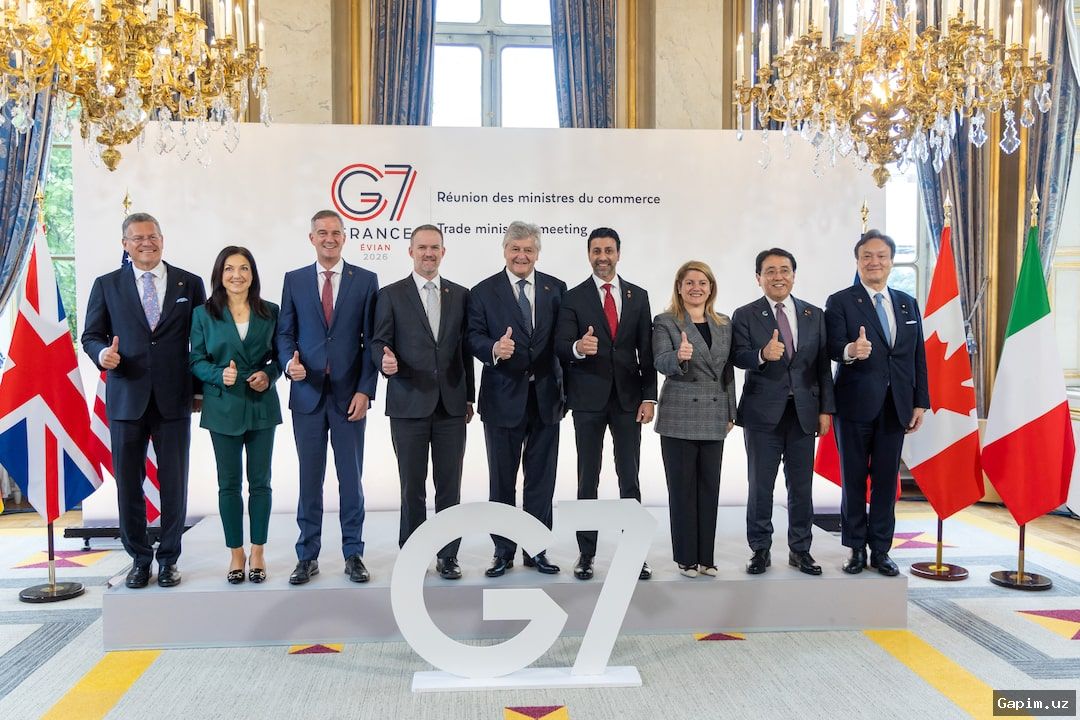
The G7 trade ministers' meeting in Paris was overshadowed by Trump's tariff threats, diverting attention from planned discussions on critical minerals and the impact of the Iran war. Trump justified his threat by claiming the EU had failed to meet its obligations under the Turnberry Agreement.
The Turnberry Agreement, struck at Trump's golf course in Scotland in 2024, stipulated that the US would cap tariffs on EU goods at 15%, while the EU would eliminate all tariffs on US industrial products. European officials reject the claim of non-compliance, though the agreement has yet to be ratified by the European Parliament.
EU Trade Commissioner Maros Sefcovic met with US Trade Representative Jamieson Greer in Paris, stating afterward that both sides "clearly concluded that it's important to respect the deal from Turnberry from both sides." He emphasized that the EU must reduce tariffs as agreed, and the US should return to the promised 15% tariff.
German Economic Affairs Minister Katherina Reiche also held talks with US counterparts, noting that auto exports are a central issue for Germany that she hopes will be resolved through ongoing negotiations.
On Friday, Trump backed down somewhat, agreeing to wait until July 4 (the US's 250th birthday) before deciding on higher tariffs. This followed a phone call with European Commission President Ursula von der Leyen.
Complicating matters, a US court ruled against other Trump tariffs just hours before his concession, potentially opening the door for further legal challenges.
The Kiel Institute for the World Economy found that German automakers would be hit hardest by higher tariffs, with short-term losses of nearly €15 billion and long-term losses up to €30 billion, dealing a major blow to Germany's already weak economy.
Observers interpret Trump's threats as retaliation for German Chancellor Friedrich Merz's remarks about the Iran war, where he said the US had been "humiliated" by Iran's leadership.
Trade expert Penny Naas of the German Marshall Fund noted that the US may be genuinely frustrated with delays in implementing the Turnberry Agreement. The European Parliament has postponed ratification twice: first due to Trump's threat to invade Greenland, and then because of a US Supreme Court ruling on tariff legality.
At the G7 closing press conference, French Trade Minister Nicolas Forissier said he understood the US tariff threat as a call to accelerate the Turnberry Agreement's implementation. EU parliamentarians are now demanding safeguards in case the US fails to comply.
Source: www.dw.com