Recent police raids on Germany's neo-Nazi scene have exposed how alarmingly young some members are. Groups like "Deutsche Jugend Voran" and "Jung und Stark" have become adept at using social media to spread hatred against queer people, immigrants, and political opponents. In Berlin's Marzahn-Hellersdorf district, some members are under 14 years old.
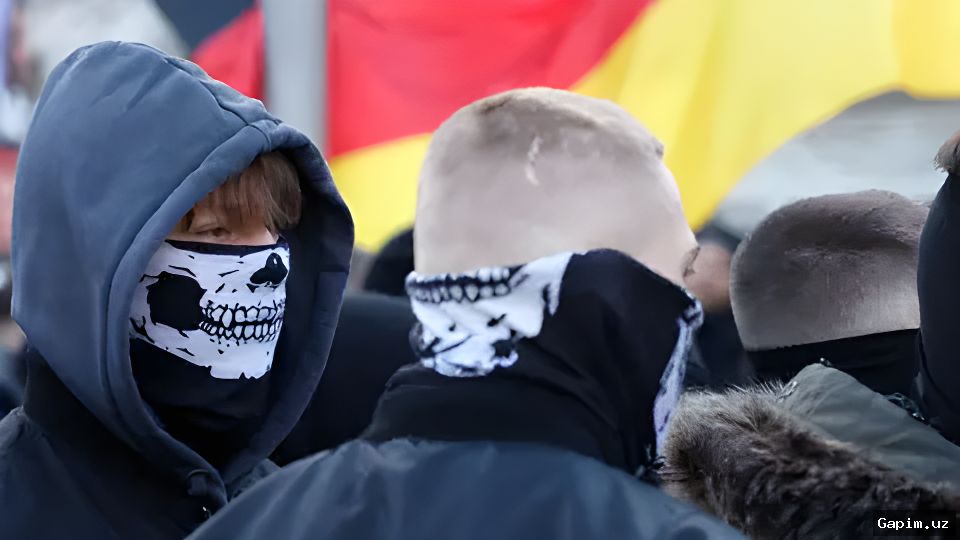
Anne (not her real name), a 30-year-old activist, documents far-right violence and everyday racism in the district. "Neo-Nazis want to assert dominance on the streets, using stickers and graffiti to show 'We are here,'" she says. People are threatened for having pink hair or wearing a jacket from a supposedly left-wing brand.
Marzahn-Hellersdorf is a district of contrasts: home to Europe's largest prefabricated housing estate, where one in four children lives in poverty, yet also rich in green spaces and family homes. Many young people never leave the district, making it their entire world.
Deputy district mayor Gordon Lemm observes a backlash against liberal values. "According to their ideas, women should return to traditional roles, and men should be breadwinners," he says. Queer people in particular face violence and have fewer safe spaces.
Farzaneh, a 30-year-old of Afghan origin, faces daily racism: stares, insults, and harassment. Her mother was insulted by an older woman in their building. Despite this, she loves Berlin and plans to become a naturalized citizen. "The good thing about Germany is you can report incidents to the anti-discrimination office," she says.
Barbara Jungnickel, a community educator, runs a mobile cafe called "Cafe on Wheels" to foster dialogue. She started in 2013 after a refugee shelter opened and right-wing activists marched through the streets. "We were shocked to see neighbors joining them," she recalls.
Anne, Farzaneh, Lemm, and Jungnickel refuse to cede the city to an aggressive minority, fighting back against a worrying trend in Germany.
Source: www.dw.com