US President Donald Trump arrived in Beijing late Wednesday for a three-day summit with Chinese President Xi Jinping, with discussions expected to cover the Iran war, trade tariffs, Taiwan, and artificial intelligence competition. Trump was greeted by a military honor guard and waved to waving students before departing in a limousine.
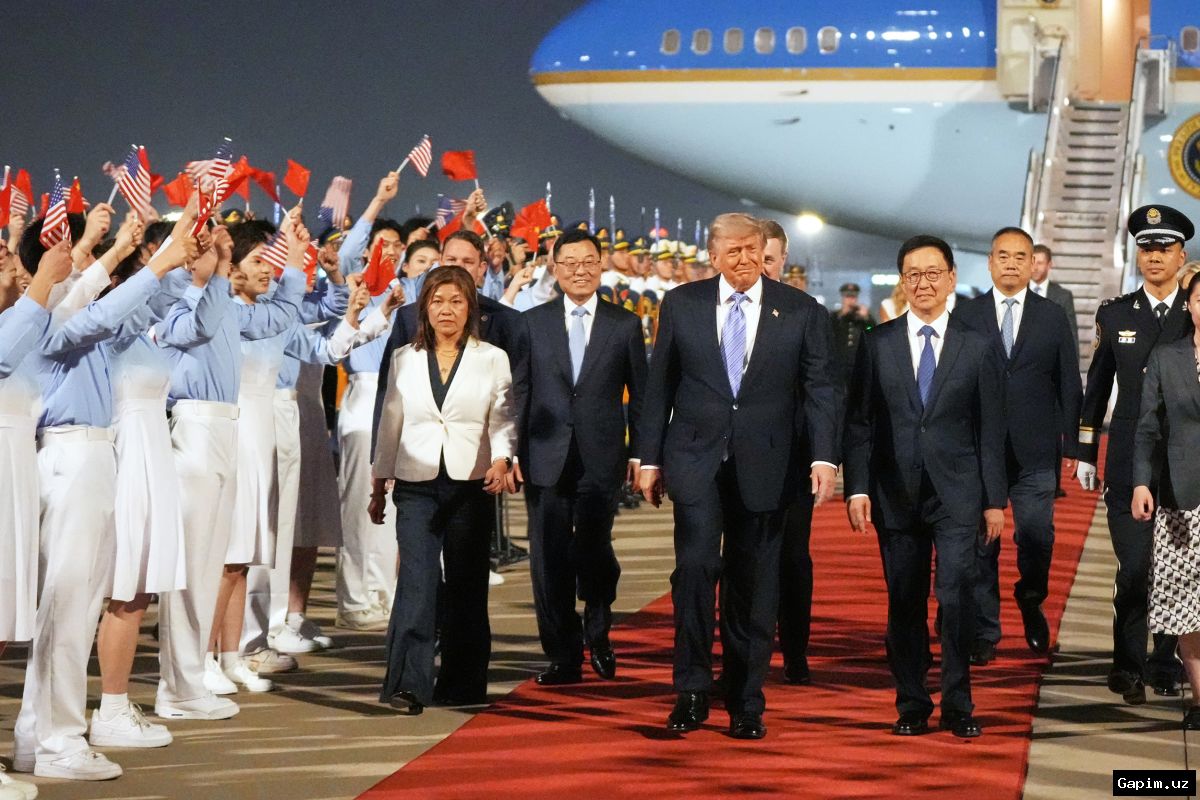
En route to China, Trump posted on Truth Social that he would ask Xi to "open up" China to US business, referring to American executives accompanying him as "brilliant people" who could help bring the People's Republic to "an even higher level."
Trade remains a flashpoint: Trump's tariff war escalated last year, but rolled back after China threatened rare-earth export controls. Both sides aim to build on tentative agreements from an October summit, with Trump demanding China buy more US goods.
Taiwan is a red line for Beijing. The US officially "does not support" Taiwanese independence, but China seeks a shift to active "opposition." Trump's stated intention to discuss arms sales to Taiwan—the largest ever $11 billion package—alarms allies, as it breaks with decades of "strategic ambiguity."
Artificial intelligence is a key area of competition. China wants access to advanced Nvidia chips; Nvidia CEO Jensen Huang is part of Trump's business entourage. The US has allowed limited sales of less advanced tech for profit sharing.
Preparatory talks between US Treasury Secretary Scott Bessent and Chinese Vice Premier He Lifeng in Seoul were described as "candid, in-depth, and constructive." They also met separately with South Korean President Lee Jae Myung.
Analysts view the summit as a "risk-management meeting," with China potentially mediating the Iran conflict to secure vital trade routes like the Strait of Hormuz amid an energy crisis. Both leaders seek to avoid losing face and maintain their "strongman" images.
Trump's delegation includes family, aides, and business leaders from Nvidia, Apple, SpaceX, and others, hoping to expand market access in China.
Source: www.dw.com