Pio Smith, UN Assistant Secretary-General and Acting Deputy Executive Director of UNFPA, delivered a speech at the Regional Ministerial Conference on Demographic Resilience for Eastern Europe and Central Asia in Skopje, North Macedonia.
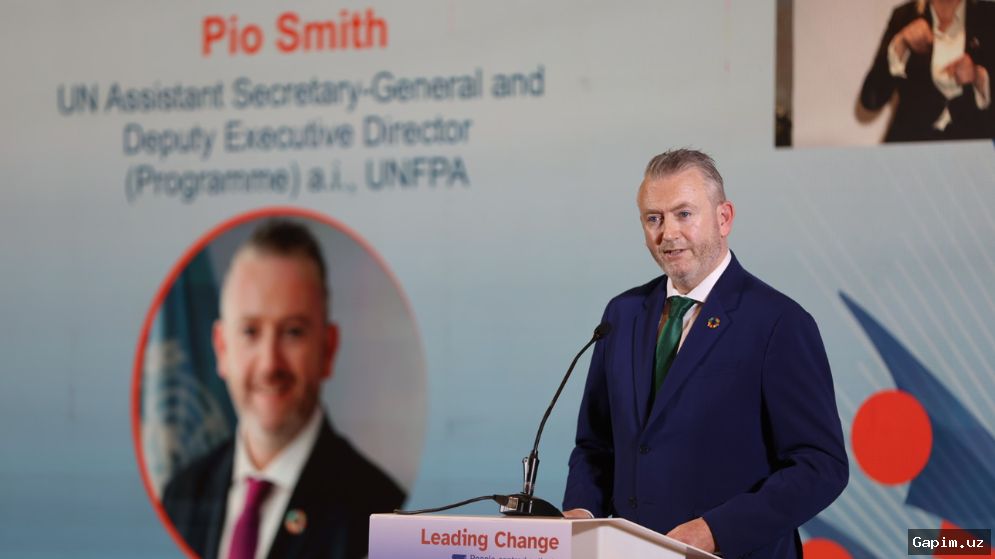
He described demographic change as a megatrend fundamentally altering the socio-economic landscape and urged countries to move beyond reactive measures, embracing demographic resilience as a cornerstone of sustainable development and national stability.
Smith noted that low fertility, migration, aging, and population decline raise concerns about economic impacts, social protection systems, and essential infrastructure. However, a panic-driven approach can obscure the opportunities these shifts present.
The UNFPA official emphasized that population dynamics are the aggregate of human rights, choices, and aspirations, particularly of women and girls. He proposed viewing demographic shifts not as threats but as opportunities to align governance with people's realities and aspirations.
Smith stressed the need for evidence-based, comprehensive, and rights-based policies and investments. On fertility, he advised against relying on government-set targets, instead asking how to help couples achieve their desired family size.
“What we must avoid is any rollback on reproductive rights or gender equality in the pursuit of raising fertility,” he said.
He highlighted the strategic value of demographic forecasting, stating that every dollar invested in such data yields $32 in returns. He called for systematic use of population projections in development strategies and budgeting.
Smith cited regional successes: North Macedonia's National Demographic Strategy, Armenia's National Center for Demographic Research, Albania's second national action plan for the elderly, Georgia's “60+ Club,” Uzbekistan's prioritization of demographic analysis, and Kazakhstan's Center for Forecasting Demographic Processes.
He reaffirmed UNFPA's readiness to support countries through the Regional Demographic Resilience Platform and urged leaders to pursue constructive, people-centered solutions.
Source: www.gazeta.uz