Top stories in Germany on Monday include higher-than-planned CO2 emissions, plans to ramp up civil defense measures, and Chancellor Merz meeting euroskeptic Bulgarian Premier Rumen Radev.
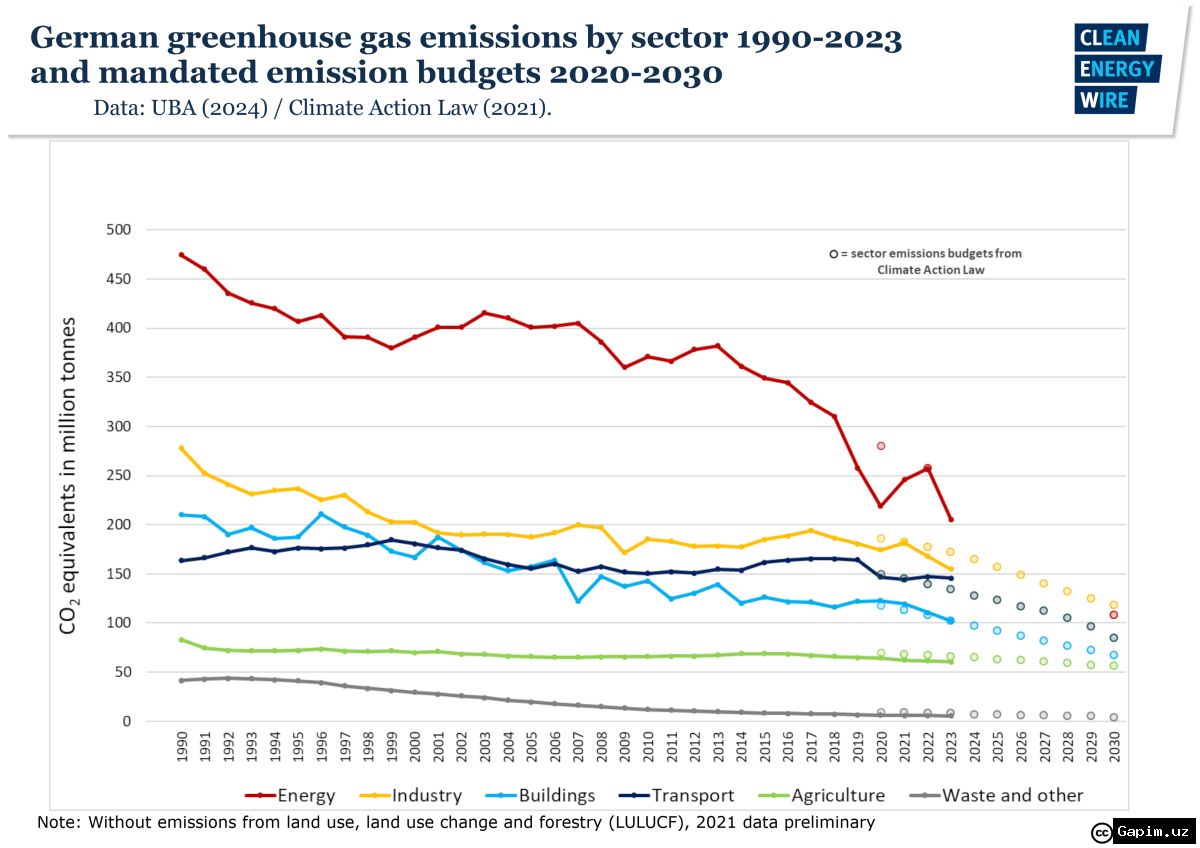
An independent climate advisory body has contradicted findings by the government's main climate authority, saying Germany will likely emit more CO2 than previously thought. The Council of Experts on Climate Change believes Germany could overshoot its CO2 emissions projections by up to 100 million metric tons, compared to the government's Environment Agency prediction of a possible overshoot of just 4.5 million tons.
Germany aims to reduce greenhouse gas emissions by at least 65% from 1990 levels by 2030 and to be climate neutral by 2045. So far, the reduction is about 48%. In March, the government put forward an €8 billion plan to fund climate measures, including expanding wind power and boosting sales of electric vehicles. But council chair Barbara Schlomann said it believed "the program's actual reduction effect is likely to be significantly lower than assumed by the German government."
German Interior Minister Alexander Dobrindt has said the government plans to invest billions of euros in a program to bolster Germany's capacity to protect its citizens in case of conflict or catastrophe. "We are strengthening population protection and civil defense," Dobrindt told Bild newspaper. The planned program is reportedly worth €10 billion and includes additional equipment, buildings, personnel, and technology.
Chancellor Friedrich Merz is set to receive new Bulgarian Prime Minister Rumen Radev, known for his euroskeptic and pro-Russian stance. Talks will cover bilateral relations and European security policy.
Additionally, animal rights group PETA has called for tighter rules on keeping dangerous wild animals after a tiger escaped from a private facility near Leipzig, seriously injuring a 73-year-old man. The tiger was shot dead by police.
Source: www.dw.com