Germany's chemical sector, a core pillar of the nation's economy ranking third after automotive and mechanical engineering, generates hundreds of billions in annual revenue and directly employs about half a million people. However, the industry has been beset by crisis in recent years, weighed down by high energy costs, growing regulatory burdens, a persistently weak economy, and intense competition from abroad.
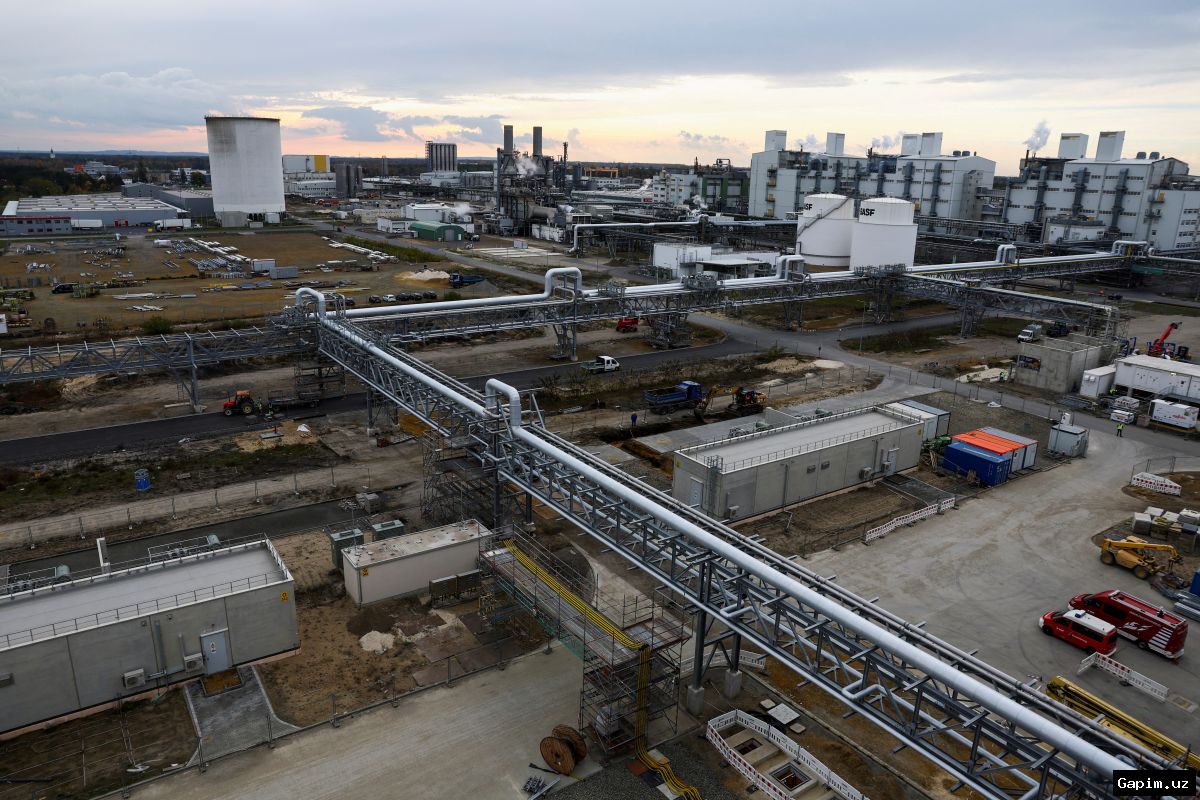
Chemical production requires large amounts of energy, not just electricity but also heat, steam and pressure. Since Russia's full-scale invasion of Ukraine in February 2022 and the resulting loss of cheap Russian gas, German chemical companies have faced some of the highest energy prices globally. The US-Israel war against Iran this year has compounded these challenges, triggering another spike in energy prices while disrupting supply chains.
Christof Günther, managing director of InfraLeuna, stated that energy prices, especially natural gas, have doubled since the war in Ukraine started and doubled again temporarily due to the war in Iran. According to the German chemical industry association VCI, overall revenue generated by German chemical firms has dropped by around 22% since 2022, to €220 billion in 2025. The association stressed that reducing natural gas costs is essential to strengthening Germany as an industrial location.
VCI pointed out that natural gas is not just an energy source but also a critical feedstock that cannot be replaced overnight. Alternatives such as biomethane are still in the ramp-up phase and available only to a limited extent. Anna Wolf, chemicals industry expert at the ifo Institute, said the industry has done most of what it can to overcome energy challenges, and the burden is now on policymakers to ensure energy is available in sufficient quantities at internationally competitive prices.
Compounding the crisis is prolonged economic stagnation in Germany and tepid growth across Europe, resulting in subdued demand for chemical products. Martin Gornig from DIW Berlin noted that market conditions have shifted to the detriment of the German chemical industry. The weak business climate has prompted many companies to delay investment, scale back production and slash jobs in Germany. BASF, for instance, is cutting costs at home while investing aggressively abroad, particularly in China. The industry has lost over 13,000 jobs since 2022.
Despite tough conditions, Germany currently remains central to core chemical production, and a full-scale relocation abroad is unlikely due to complex industrial processes. However, if there's no improvement in the operating environment, businesses are likely to expand production capacity elsewhere. Wolf stressed that Germany and Europe can no longer rely on market forces alone and accept that strategically important sectors will move abroad when they lose competitiveness.
To boost the sector, the German government wants to subsidize electricity costs and push for reforms to the EU's carbon pricing system. VCI welcomed the measures but said more is needed, urging tax incentives, guaranteed long-term gas supply and greater use of biomethane. It also called for addressing lengthy permitting procedures and growing regulatory burdens.
Source: www.dw.com