The world is becoming less resilient to outbreaks of infectious diseases, experts have warned, as health authorities in the Democratic Republic of the Congo and Uganda scramble to contain an outbreak of Ebola.
The Global Preparedness Monitoring Board (GPMB) said in a report published on Monday that “as infectious disease outbreaks become more frequent they are also becoming more damaging”, warning that pandemic risk is outpacing investments in preparedness and “the world is not yet meaningfully safer”.
Disease outbreaks are becoming more likely due to the climate crisis and armed conflict, while collective action is being undermined by geopolitical fragmentation and commercial self-interest, the report said.
The GPMB is a group of experts established in 2018 by the World Bank and the World Health Organization (WHO) after the first large scale Ebola outbreak in west Africa and just before Covid-19. Its latest findings come amid global attention on the hantavirus outbreak on a cruise ship and a day after the declaration of an international public health emergency after at least 87 Ebola deaths in the DRC.
The two outbreaks “are just the latest crises in our troubled world”, WHO chief Tedros Adhanom Ghebreyesus told the opening of the UN agency’s World Health Assembly in Geneva.
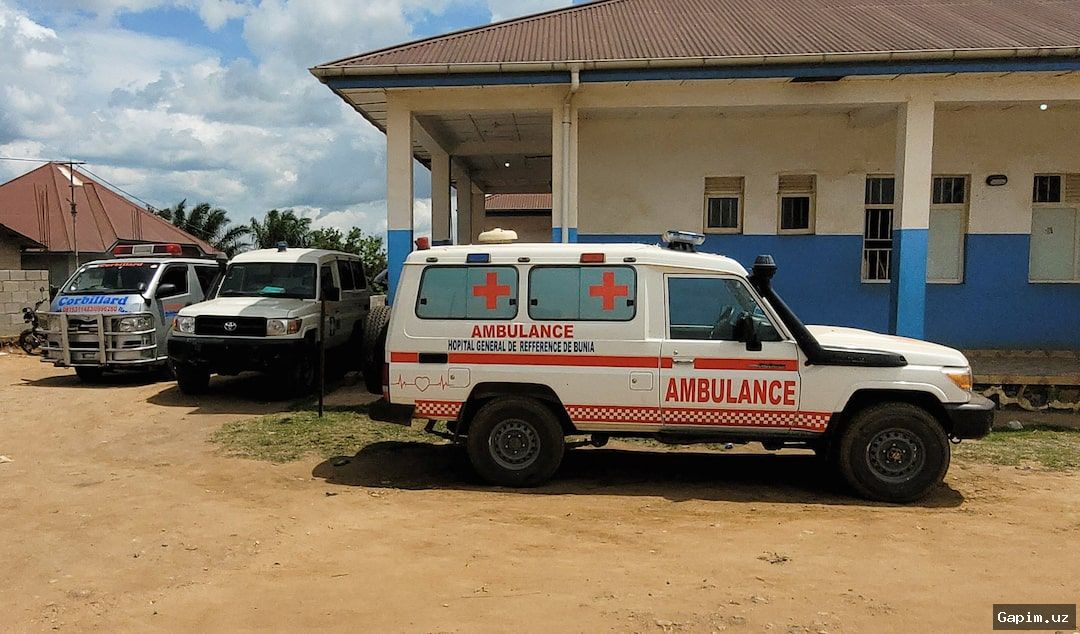
WHO’s representative in the DRC, Anne Ancia, told Reuters that in responding to the Ebola outbreak it had emptied its stocks of protective equipment in the capital, Kinshasa, and was preparing a cargo plane to bring additional supplies from a depot in Kenya. The International Rescue Committee and Médecins Sans Frontières aid groups said they had teams responding to the outbreak.
In Geneva, Prof Matthew Kavanagh, director of the Georgetown University Center for Global Health Policy & Politics, said aid cuts may have played a role in leaving the world “playing catch-up against a very dangerous pathogen”. He said: “Because early tests looked for the wrong strain of Ebola, we got false negatives and lost weeks of response time. By the time the alarm was raised, the virus had already moved along major transport routes and crossed borders.”
The GPMB report finds that new technologies, including novel vaccine platforms such as mRNA, have “advanced at unprecedented speed” and billions of dollars have been invested in pandemic preparedness and response. But the world is “moving backwards” on measures such as ensuring equitable access to vaccines, tests and treatments, it found.
The GPMB called on political leaders to establish a permanent, independent monitoring mechanism to track pandemic risk, conclude the pandemic agreement to ensure equitable access to vaccines, diagnostic tests and medicines, and put in place financing to secure preparedness and immediate responses to outbreaks.
Source: www.theguardian.com