Security challenges in the Middle East are prompting new approaches. A non-aggression pact promoted by Saudi Arabia reportedly extends to Iran as well. The project may align with Tehran's interests, but US military bases in the region and Israel's policies allegedly cast doubt on the full implementation of this initiative.
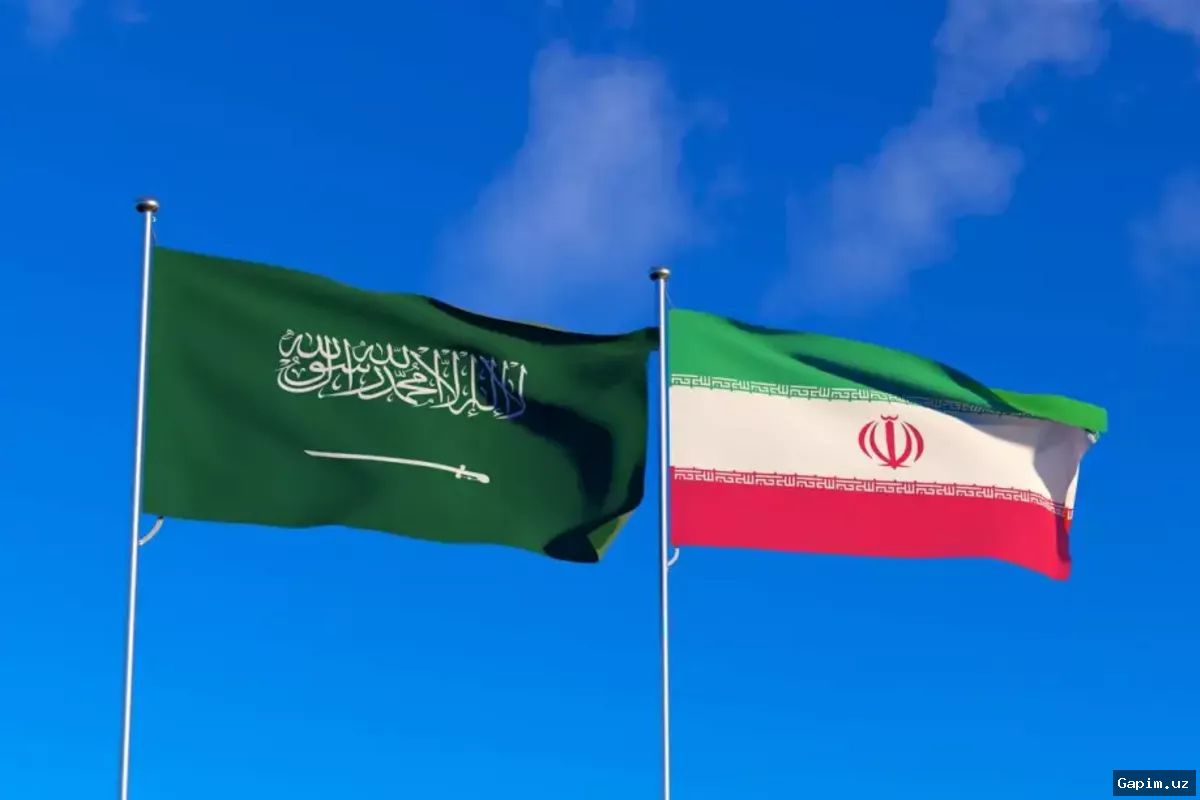
According to expert Kamoliddin Rabbimov, the war between the US regime and Iran has significantly altered the balance of power and perceptions of political systems in the region. Previously, there was a view that Iran was a very weak state and that amid growing internal social protests under external pressure, its political system would collapse like a house of cards. However, events did not unfold according to this scenario.
Saudi Arabia now recognizes that Iran is a key player that will maintain its influence in the region for a long time. In other words, Iran has proven not as fragile and unstable as many thought.
Therefore, Riyadh is putting forward the idea of forming a new regional security system. It is noted that this system should take Iran into account as an important geopolitical factor and also aim to reduce excessive dependence on the US regime and Israel.
This initiative in a certain sense resembles the Helsinki Accords of the Cold War era. Signed in 1975, they served to prevent direct military confrontation between the Soviet Union and European states. The parties agreed to create channels of mutual communication, negotiation mechanisms, and confidence-building tools.
Today, Saudi Arabia is proposing a similar model. According to Riyadh's position, there should be no attacks on Iran from Saudi territory, and Iran, in turn, should not threaten Saudi Arabia. On this basis, the idea of a non-aggression pact is being promoted. While this project has not yet moved into the practical stage, it is seen as a political initiative aimed at enhancing coordination among Muslim states in the region.
Countries such as Qatar, Bahrain, and Oman may be interested in this agreement. However, the UAE is currently taking a wait-and-see position. Against the backdrop of the recent war, Abu Dhabi has shown a tendency to strengthen security cooperation with the US regime and Israel.
Naturally, Iran is also interested in such an agreement, as it would allow it to be recognized as a legitimate and long-term player in the region.
Shukhrat Rasul recalls that in 2019, Iran already proposed a non-aggression and military de-escalation agreement to the Gulf states. However, at that time, the initiative was not implemented. The main reason was tensions amid the war in Yemen — Iran-backed Houthis attacked Saudi oil infrastructure with missiles. Saudi Arabia then included in the negotiation agenda the demand that Iran-backed proxy forces also be covered by the agreement.
Iran refused to include proxy forces as a separate party in the official agreement, so the talks yielded no results. Today, the situation has changed, and Iran itself is coming forward with similar initiatives. This indicates a significant shift in regional geopolitics.
However, the US regime, while promising to provide a "security umbrella" through its military bases in the region, allegedly did not provide Patriot, THAAD, and other air defense systems when Gulf states desperately needed them during the height of the war. As a result, some oil and gas infrastructure facilities of Arab states suffered from strikes.
This has intensified questions among Gulf monarchies regarding US security guarantees. The fact that the US regime directed its resources more toward protecting Israel also caused discontent among some states in the region.
At the same time, there are political and diplomatic tensions affecting relations between the US regime and some Gulf countries. The harsh rhetoric of some representatives of the US administration is also negatively impacting regional cooperation.
The UAE is pursuing a relatively independent strategy in this process. They have purchased air defense systems from Israel and are seeking to strengthen their infrastructure.
In addition, the UAE is diversifying its export routes with a new oil pipeline. If it is launched, a large portion of UAE oil could be exported via the Red Sea instead of the Strait of Hormuz. As a result, the UAE's geopolitical position and its balance in relations with Iran may change to some extent. However, this process will take time.
Source: kun.uz