Las Vegas is set to host the first-ever 'Enhanced Games,' a competition where athletes are openly permitted to use performance-enhancing substances. Founded by Australian businessman Aron D'Souza, the event abandons traditional anti-doping rules.
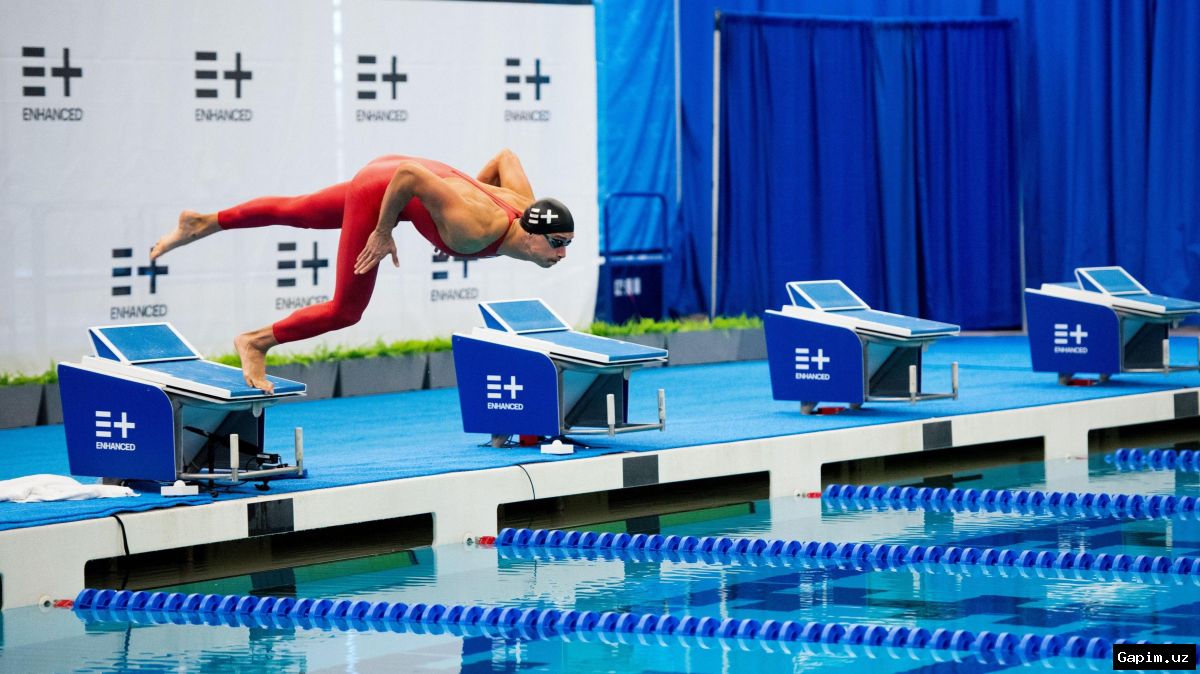
Substances must be approved by the US Food and Drug Administration and taken under medical supervision, but otherwise athletes face no restrictions.
Bioethicist Andy Miah from the University of Salford notes that the concept of enhancement is not new. Ancient Olympians used olive oil to regulate body temperature, and early modern athletes consumed alcohol, mistakenly believed to enhance performance.
Physiologist Michael Joyner of the Mayo Clinic categorizes modern enhancement strategies into three groups: steroids, blood doping/EPO, and amphetamines. These have proven effectiveness, unlike peptides and other substances.
Arthur Caplan, head of Medical Ethics at NYU Grossman School of Medicine, warns of primary risks such as cancer from growth hormones and cardiovascular issues from anabolic steroids. Secondary risks include overburdened tendons and joints from excessive muscle growth, potentially leading to crippling injuries or paralysis.
Caplan criticizes organizers and backers, including tech billionaire Peter Thiel and Donald Trump Jr., for prioritizing spectacle over athlete safety, likening the event to gladiatorial combat. He states, 'They want to be thrilled, and they don't care about the athletes.'
Miah argues that athletes often participate from a position of vulnerability, facing financial challenges or lack of success in conventional sports. Future technologies like CRISPR gene editing could fundamentally alter human biology, raising profound ethical concerns.
Source: www.dw.com