When African leaders gathered in Addis Ababa on May 25, 1963, to found the Organisation of African Unity (OAU), it became a symbol of continental liberation. Sixty-three years later, as the continent marks Africa Day 2026, questions over what liberation really means still linger.
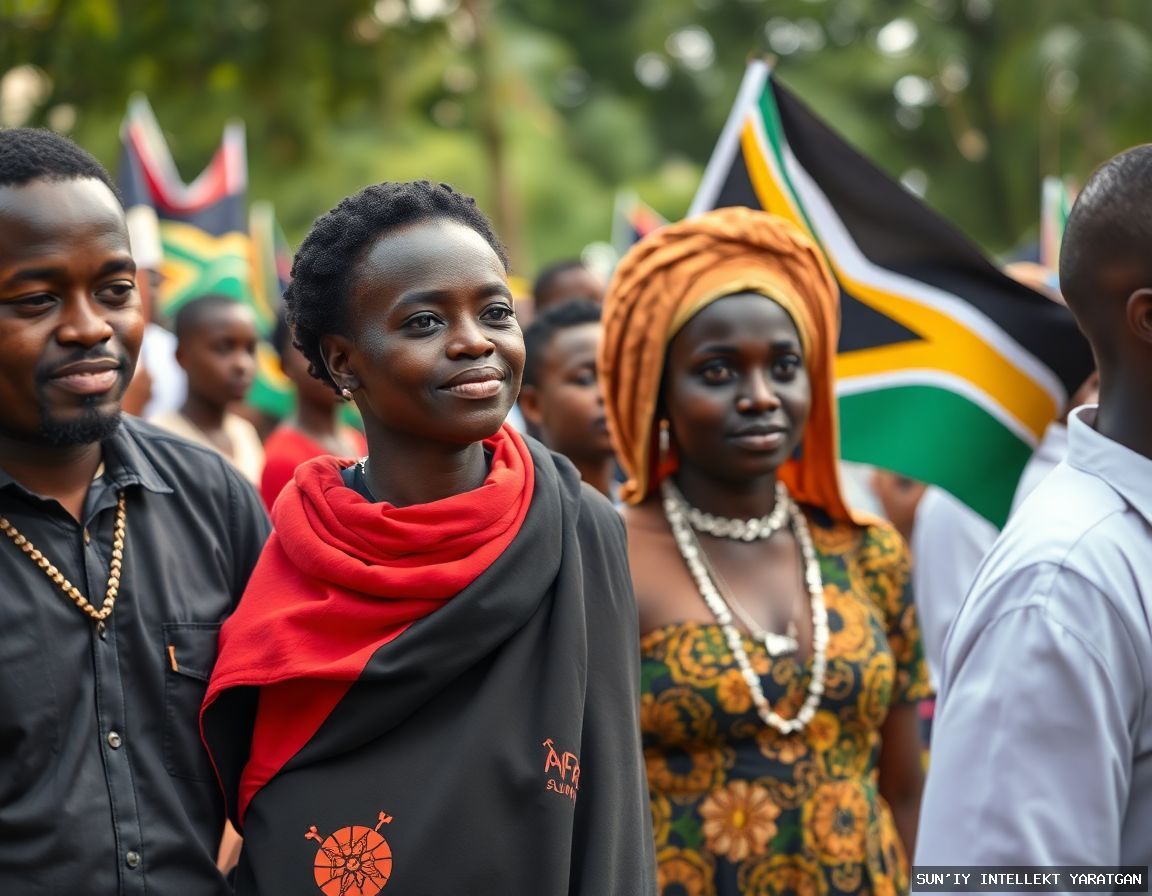
For the older generation, Africa Day remains a deeply emotional milestone. Mzee Josphat Kimanthi, a 74-year-old retired civil servant in Kenya, says: "We fought for the right to self-govern, and that political liberation can never be taken for granted." But he also sees a widening gap between generations and unfulfilled economic promises.
Many analysts and young Africans now see liberation in terms of economic control and financial decision-making. Several African countries face rising debt burdens, with fiscal policies shaped by negotiations with international financial institutions, leaving limited room for independent decision-making.
Professor Paul Mbatia of Multimedia University of Kenya argues: "True liberation cannot exist when a continent produces what it does not consume, and consumes what it does not produce."
Digital technology also raises questions about dependence. Amina Osei, a technology policy analyst at the African Centre for Digital Governance in Accra, warns: "Digital extraction is the new frontier of neocolonialism. If African data is processed on foreign servers and sold back, we have simply replaced old colonial control with digital dependence."
Over 60% of Africans are under 25. Chinedu Nwosu, a 26-year-old software developer in Lagos, says: "Africa Day feels performative to my peers. Liberation for us is not about history; it's about changing the systems that affect our daily lives."
Across the continent, Africa Day is increasingly becoming less about celebration and more about reflection. As Kimanthi puts it: "The flags are ours, but the economic strings still seem to be pulled from outside."
Source: www.aljazeera.com