Precious Mvundura, a 37-year-old mother in eastern Zimbabwe, woke up with joint pain, high fever, and a pounding headache on a chilly autumn morning. Initially thinking it was the flu, she grew worried when the headache persisted for three days. Her five-year-old son also fell ill, sweating heavily.
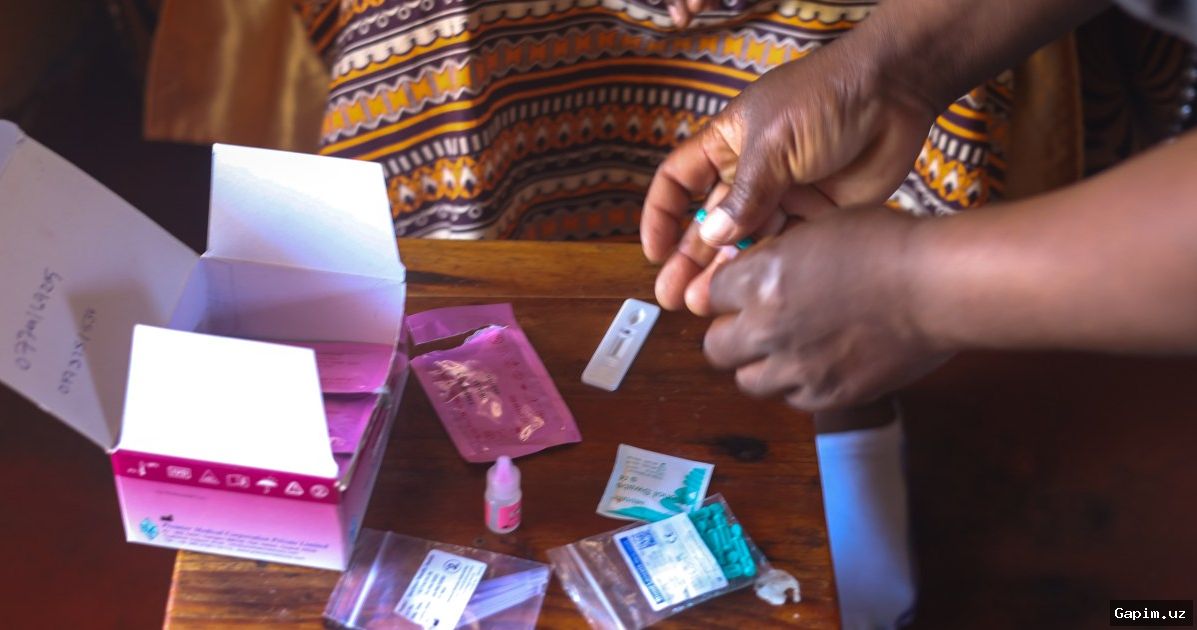
In early May, they sought help from a village health worker in Chishakwe, a rural farming community outside Mutare. Both tested positive for malaria. Mvundura felt relieved after taking medication, and her son recovered and returned to school.
Their ordeal comes as malaria cases and deaths surge across Zimbabwe after US President Donald Trump slashed foreign aid funding in 2025, disrupting key programs backed by USAID. Affected initiatives include the Zimbabwe Entomological Support Programme in Malaria (ZENTO) and the Zimbabwe Assistance Programme in Malaria II (ZAPIM II), which provided research, diagnosis, treatment, and prevention support.
According to Zimbabwe's Ministry of Health, malaria cases jumped to 65,399 between January and April 2026, up from 36,000 in the same period in 2025 and 17,000 in 2024. Deaths rose sharply to 174, compared with 85 last year and 34 in 2024.
Village health worker Virginia Chakandinakira reported shortages of malaria diagnostic kits and drugs. She used to receive ample supplies but got none in 2025. Only in February 2026 did limited supplies arrive, distributed only to hotspot communities.
Professor Sungano Mharakurwa, director of Africa University's Malaria Institute, said the abrupt withdrawal of US support worsened the outbreak. The President's Malaria Initiative (PMI), launched in 2005, was also effectively stopped, leaving communities exposed.
Experts say climate change is also driving the spread. Heavy rains in the 2025-2026 season created ideal breeding conditions for mosquitoes. Thomas Chuchu of Save the Children Zimbabwe noted that weakened prevention systems, including reduced mosquito-net coverage and delayed vector control, amplified the impact.
Zimbabwe aims to eliminate malaria by 2030, but funding gaps threaten years of progress. Health workers continue indoor spraying and awareness campaigns, but shortages of nets, tests, and drugs hinder efforts. For Mvundura, surviving malaria felt like cheating death: 'We cheated death. It was so bad.'
Source: www.aljazeera.com