An Egyptian court has sentenced prominent activist and poet Ahmed Douma to one year in prison with hard labor for “spreading fake news,” according to state media Akhbar al-Youm.
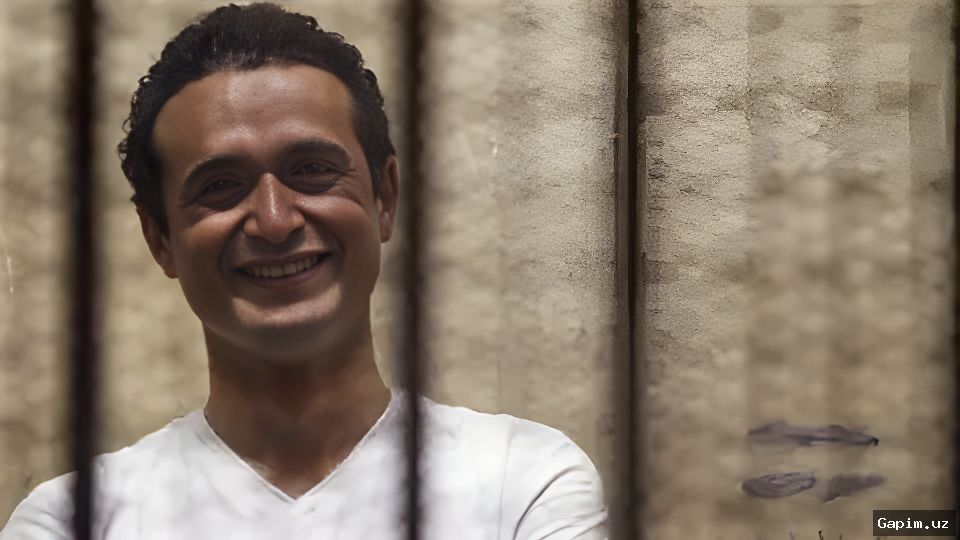
The sentence, handed down on Wednesday, comes nearly three years after Douma was freed by a presidential pardon in August 2023, following almost a decade behind bars.
The charge of “spreading fake news” is frequently used against Egyptian dissidents, including activists, journalists, academics, and ordinary social media users.
Douma was arrested in April after publishing an article in the London-based pan-Arab news outlet Al-Araby Al-Jadeed about prison conditions in Egypt.
Prior to sentencing, Douma “had been held in pretrial detention under restrictive conditions, including receiving fewer visits than permitted under Egyptian prison regulations and being continuously exposed to intense light in his cell,” according to Amnesty International.
Rights group the Egyptian Initiative for Personal Rights said the article reflected his own experiences in prison, making the fake news charges “unconstitutional.”
PEN America called the sentence “disgraceful.” “His case embodies part of an escalating crackdown on writers in Egypt, where poems and articles are routinely weaponized as courtroom evidence,” said PEN’s Asma Laouira.
Amnesty International condemned the sentencing, calling it an attack on freedom of expression. “The renewed unjust imprisonment after an unfair trial of Ahmed Douma is a devastating assault on the right to freedom of expression,” said Mahmoud Shalaby, Amnesty’s regional researcher.
Shalaby also called on Egypt to “immediately and unconditionally release Douma, quash this politically motivated sentence, and end their persistent misuse of the criminal judicial system against him.”
A prominent figure in the 2011 uprising that toppled longtime President Hosni Mubarak, Douma was initially convicted of participating in an unauthorized protest and assaulting police officers. His 25-year sentence was later reduced to 15 years before he received a presidential pardon.
In 2022, President el-Sisi revived a presidential pardon committee, billed as part of a broader human rights initiative that has freed hundreds of political prisoners. However, rights groups say a widening crackdown has seen more people detained than released, further restricting space for dissent.
“[Douma’s] sentence exposes the hollow reality of the presidential pardons [that he] and others received in 2023 and signals that activists released from prolonged unjust detention are not safe from re-arrest,” said Shalaby.
Source: www.aljazeera.com