East Africa is currently grappling with a rapidly spreading Ebola epidemic, as governments scramble to contain the virus and hundreds of people are confirmed infected.
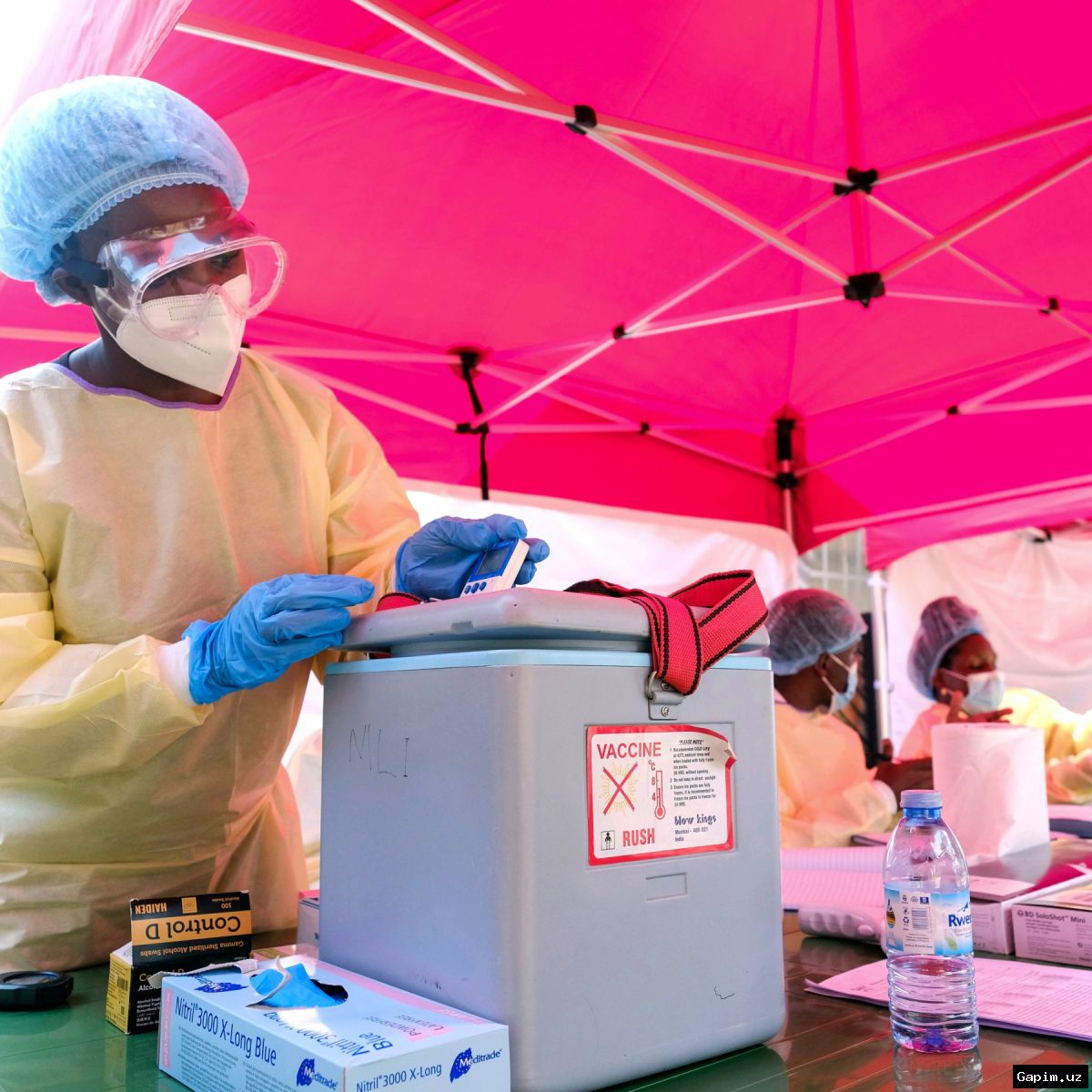
The outbreak of the viral hemorrhagic fever, triggered by a rare and deadly strain of Ebola, was first declared by the Africa Centres for Disease Control and Prevention on May 15 in the conflict-ridden eastern Democratic Republic of the Congo (DRC). The disease has since spread to neighboring Uganda.
The World Health Organization (WHO) declared a public health emergency two days after the outbreak was announced, by which time hundreds had been infected. Last week, WHO warned that ongoing conflict in the DRC is hampering containment efforts.
While three vaccines are being researched and fast-tracked for trials, no approved vaccine exists for this strain yet.
At least 321 cases have been confirmed in the DRC as of June 2, with 48 deaths and 6 recoveries. In Uganda, WHO confirmed 9 cases and at least one death on Tuesday, with the government later reporting 6 new cases, bringing the total to 15. Cases have been confirmed in the capital Kampala, far from the DRC border.
Experts warn the outbreak could rival some of the most severe Ebola epidemics, including the 2014 West Africa outbreak that infected about 29,000 people and killed over 11,000. Combined with a lack of vaccines and protective gear, the outlook is bleak.
Trish Newport, deputy manager of Ebola programs in DRC for Doctors Without Borders (MSF), noted that funding cuts—such as sweeping cuts to US foreign aid by the administration of US President Donald Trump last year—have forced many health organizations to pull out of Ituri, affecting the response.
The strain responsible is the Bundibugyo virus, a rare species that first surfaced in Uganda in 2007 and again in DRC in 2012. Unlike the Zaire strain, no vaccines are available for Bundibugyo due to its rarity. Three vaccines are being evaluated for emergency trials, but production could take months or years. Stigma and disinformation about Ebola have fueled vaccine mistrust in Congolese communities, with violent protests recently breaking out in Rwampara.
Source: www.aljazeera.com