Heavy gunfire between Somali government and opposition forces erupted in Mogadishu on Wednesday, shattering a period of relative calm and sending hundreds of families fleeing from their homes. Mustafa, a 33-year-old bajaj driver, described the chaos: 'I couldn't even think. Everyone was shouting and running for their lives, and we all fled from the bullets. We haven't seen fighting this bad in years.'
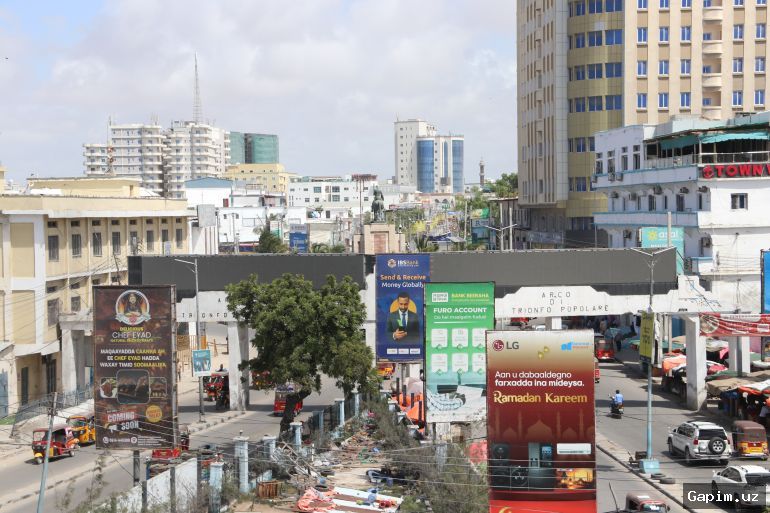
The clashes began in the Hawl Wadaag district near the residences of former Prime Minister Hassan Ali Khaire and former President Sheikh Sharif Sheikh Ahmed, who were planning protests against what they call an illegal term extension by incumbent President Hassan Sheikh Mohamud. The government claimed the protests would undermine security in a city still plagued by armed violence.
Hundreds of families evacuated neighborhoods near the fighting, and by the next day, many central areas of the capital were deserted. Maka al-Mukarama Road, a main artery, was sealed off, and Bakara market, the city's largest commercial hub, effectively shut down. Street vendor Ahmed gestured at shuttered stalls, noting that at midday the market is usually packed.
Deputy Central Bank Governor Ali Wardheere estimated direct costs to businesses and services at $3.8 million, though he stressed the figure was a model-based projection, not an official tally.
Somalia has not held direct presidential elections since the late 1960s. Leaders are selected through an indirect system negotiated by clan elders and political elites. As presidential terms near their end, low trust among political actors often leads to intense competition and violence over electoral timetables.
President Mohamud says constitutional amendments approved by parliament extended his mandate by one year from May 15. The opposition rejects this and has begun referring to him as a 'former president'. Two of Somalia's most influential federal states also reject the amendments, leaving the country divided with no constitutional court to resolve the dispute.
Defence Minister Ahmed Moalim Fiqi accused the opposition of militarizing the standoff, alleging they 'distributed mortars and artillery across the capital'. Opposition leader Khaire accused Mohamud of directing a 'sustained and indiscriminate military assault' lasting over 20 hours.
The crisis stems from the 2012 provisional constitution, which set up a federal, parliamentary system based on clan-based power-sharing. MP Ahmed Abdi Koshin, who boycotted the draft, warned the new constitution 'clearly doesn't have buy-in' and that the original was the 'only glue holding Somalia together'. He supports direct elections in principle but believes the country is not ready.
Youth activist Jamal Shiil told Al Jazeera that Somalia's large youth population will bear the cost of instability: 'Young people want to make a living here, for Somalia to be peaceful and not to have to leave because of the problems. But if things don't change it won't leave them much of a choice.'
Broader regional crises, including Sudan's civil war and disease outbreaks, have pushed Somalia down the international agenda. The country also faces a deepening humanitarian crisis and aid cuts, with famine monitors warning of heightened hunger risk.
Source: www.aljazeera.com