The latest flare-up in hostilities between Israel and Iran has exposed what some observers say is the most significant crack yet in the relationship between Israeli Prime Minister Benjamin Netanyahu and United States President Donald Trump, revealing increasingly divergent interests between the two world leaders.
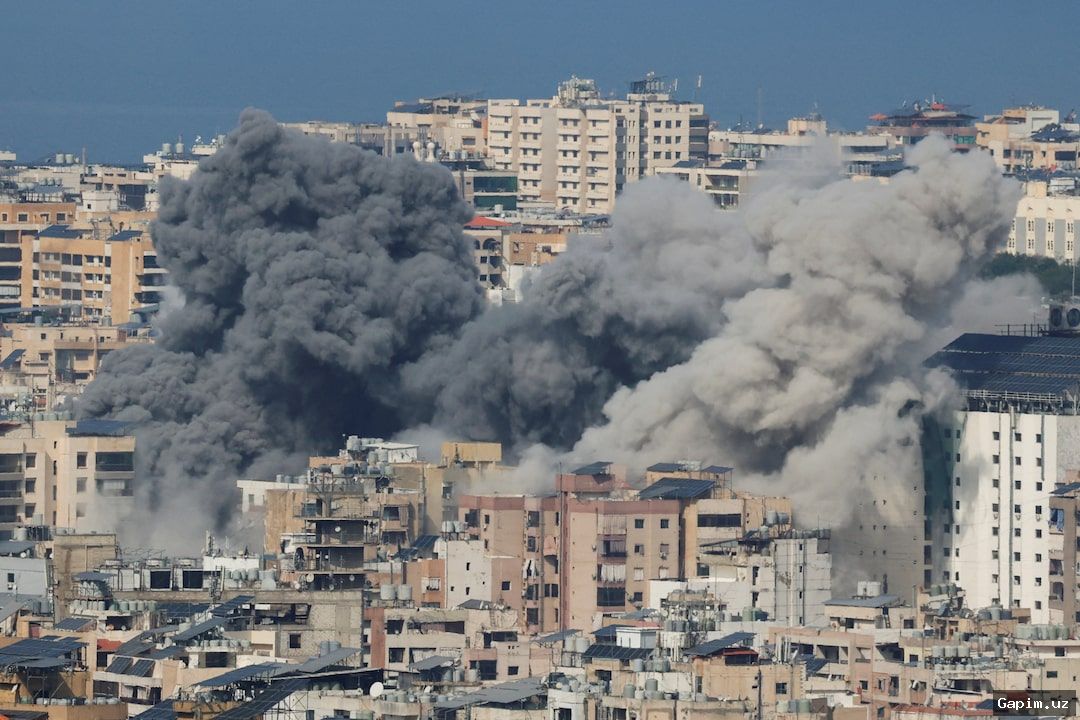
The pair once appeared politically inseparable, but now Trump has reportedly called Netanyahu 'f***ing crazy' and accused him of undermining US diplomacy. Iran launched a missile volley towards northern Israel after an Israeli strike in Beirut, threatening to unravel months of US-Iran negotiations.
Analysts say the two leaders are driven by their own political interests which are on a collision course. In the US, the war with Iran is deeply unpopular, so Trump needs a deal. Netanyahu, on the other hand, could benefit politically at home if the war continues.
The conflict also created economic consequences that threatened Trump's domestic political interests. When Iran effectively closed off the Strait of Hormuz, global energy markets were rattled and oil prices surged, giving Democrats ammunition for mid-term elections.
Israel's dependence on the US leaves Netanyahu with little room to maneuver. Washington provides at least $3.8bn annually in military aid, and 42% of weapons entering Israel originate from the United States. Analysts say Netanyahu cannot say no to Trump.
Meanwhile, indirect US-Iran negotiations continue without Israeli participation. Any future agreement would likely leave Iran's government intact while restricting its nuclear program, contradicting Netanyahu's long-held goal of defeating Iran by force.
Some analysts doubt the apparent rift represents any meaningful shift in US policy. Phyllis Bennis noted that Washington continues to provide billions in military assistance and shield Israel from international accountability, suggesting Trump's words are not backed by actions.
Source: www.aljazeera.com