In Monduli, Tanzania, 30-year-old Nesirkar Loongidong'i, a Maasai mother of four from Selela village, lost most of her family's livestock to drought. Today, she earns a living by growing and selling drought-resistant livestock fodder.
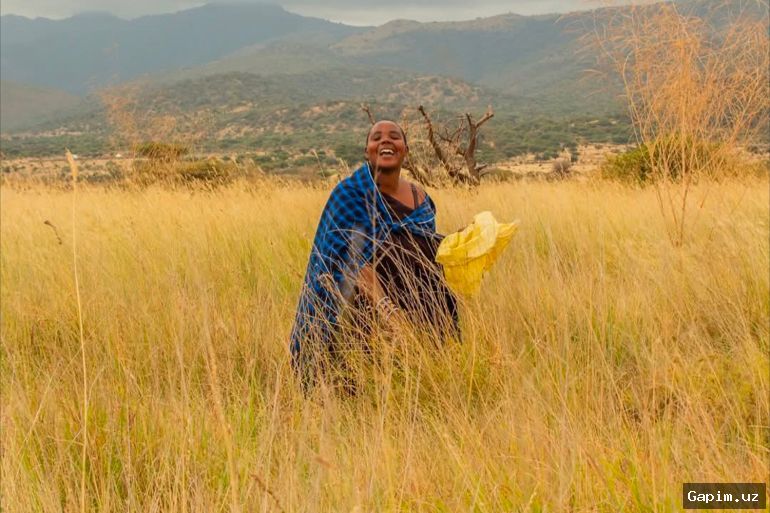
"Before I planted fodder, I lost most of our goats. Now, people come from other villages to buy grass, and I can support my children. I don't fear drought anymore," Loongidong'i told Al Jazeera. With the income, she has built a house and bought five goats.
Loongidong'i's story is part of a larger shift across northern Tanzania, where Maasai women are turning fodder production from a survival tactic into a climate-adaptation business. The work is coordinated by the Pastoral Women's Council (PWC), a women-led organization founded in 1997 with 6,500 members in 90 villages.
The PWC operates across three districts, covering 28,000 square kilometers and serving about 456,000 people, mostly Maasai pastoralists. Its focus includes land rights, economic empowerment, and girls' education.
According to Tanzania's Ministry of Livestock and Fisheries, at least 306,358 livestock died between September 2021 and January 2022 due to prolonged drought. In response, the PWC established 10 major grass seed banks across eight villages. Currently, about 75 hectares are under fodder production, with another 37 hectares expected by 2025-2026.
Around 250 women directly manage these farms, while thousands of herders depend on them for feed during dry seasons. In 2025, a single seed bank earned 6.6 million Tanzanian shillings (about $2,500) from seed sales and 1,111 hay bales sold at 6,000 shillings ($2.30) each.
"Women who once depended entirely on their husbands now have their own income," says Rachel Letiety, a founding member of PWC. "Families are becoming more stable. Men are beginning to value women's contributions, especially during droughts."
However, challenges remain. Loongidong'i notes that invasive weeds and broken fences allow livestock and wild animals to destroy cultivated plots. Disagreements within groups over responsibilities and income sharing also arise.
"If all women take up this opportunity, these projects can lift our economy," says Nairiyamu Laizer, secretary of the Naisho group. Supported by organizations like Justdiggit, Trees for the Future, and Swissaid, around 200 women are directly involved.
For Loongidong'i and many Maasai women, growing fodder is no longer just about surviving difficult seasons. "Now women help bring money into their homes," she says, "and families are becoming more stable."
Source: www.aljazeera.com