In October 2022, negotiating teams from the Ethiopian federal government and the Tigray People’s Liberation Front (TPLF) met in Pretoria, South Africa, to broker peace. The talks took place amid a raging war, prompting hosts to keep the delegations apart initially. However, the teams soon established a cordial tone, allowing direct engagement in a smaller, informal setting.
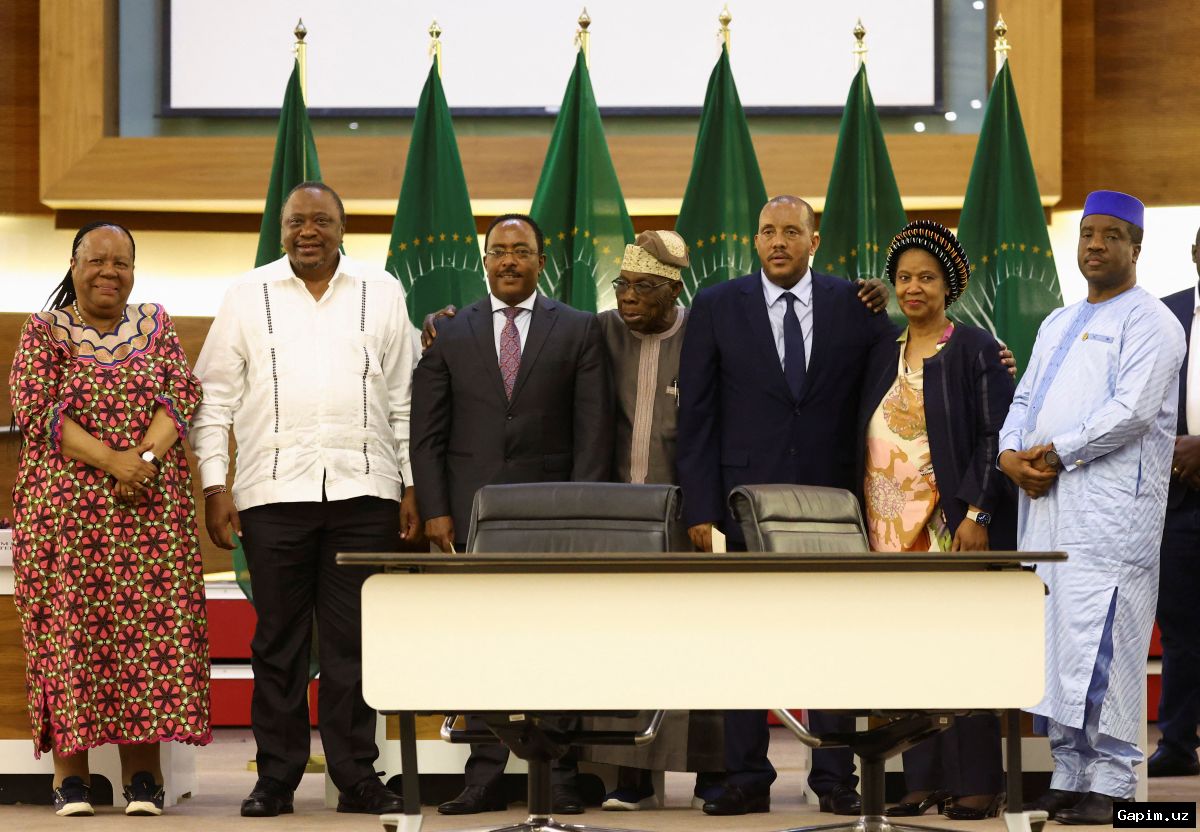
The negotiations spanned several days, often extending past midnight, with heated debates and difficult discussions. With mediation from elder African statesmen, the parties overcame deadlocks and signed the Agreement for Lasting Peace Through a Permanent Cessation of Hostilities on November 3, 2022.
The agreement was welcomed in Ethiopia, but extremist elements within the TPLF and the Amhara Fano militia opposed it. TPLF hardliners sought a short-term ceasefire to regroup, while Fano extremists accused the federal government of being too lenient. Eritrea’s government, led by President Isaias Afwerki, publicly denounced the deal as a CIA ploy.
President Afwerki, who benefited from Ethiopia’s internal conflict, allegedly worked to undermine the agreement. Eritrean operatives reportedly brokered an alliance of disgruntled elements from the TPLF and Fano, dubbed Tsimdo, to perpetuate hostility.
Currently, this alliance is poised to trigger renewed conflict. The TPLF hardliners have allegedly dismantled the interim administration, set up an illegal one, and continued recruitment and arming with Eritrean support. The people of Tigray reportedly reject the war agenda, but the TPLF is engaged in forced conscription.
The international community must exert maximum pressure on the TPLF and its patrons to avoid a relapse into war. The Pretoria Agreement, though imperfect, silenced the guns and restored some normalcy. Allowing its violent abrogation would have serious regional consequences and is unacceptable.
Source: www.aljazeera.com