US President Donald Trump told reporters in the Oval Office on Wednesday that the United States has been covertly moving millions of barrels of oil through the Strait of Hormuz, defying Iranian restrictions on the waterway. He claimed this is why oil prices have remained around $90 per barrel instead of exceeding $100 as in the early weeks of the US-Israel war on Iran.
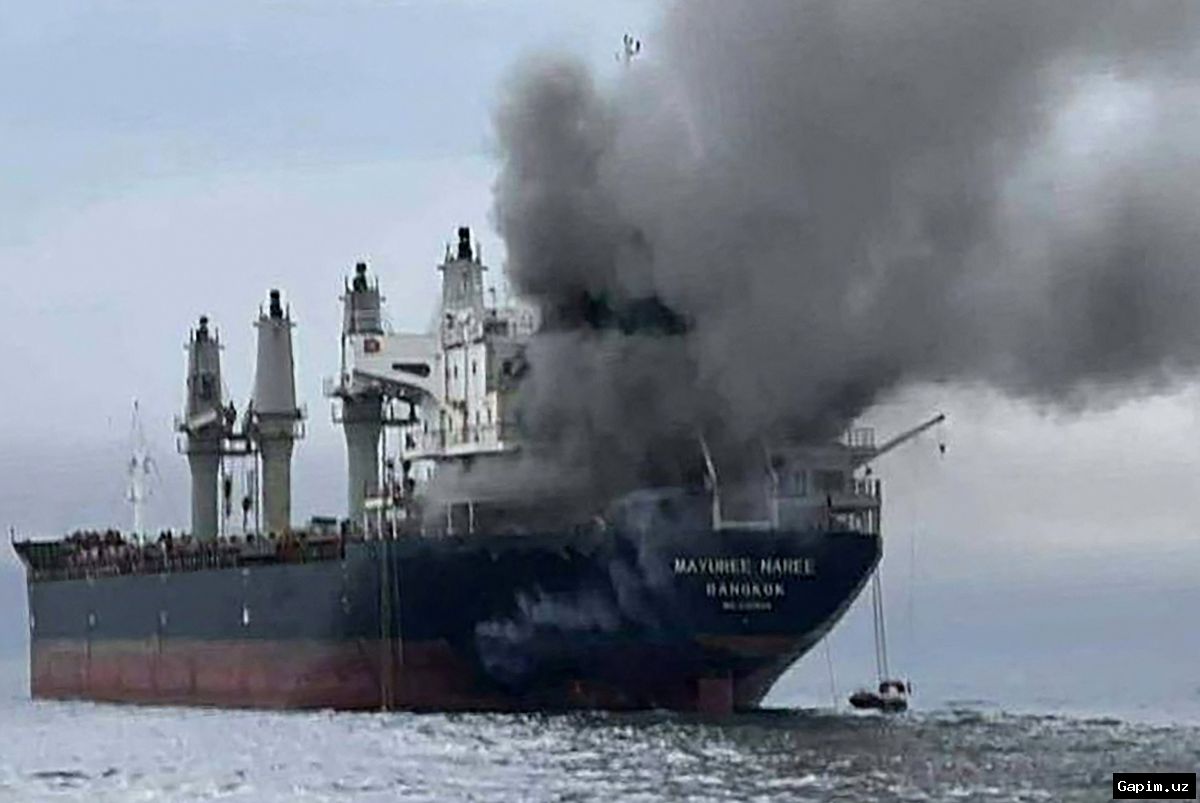
Trump said the US military “took out 22 ships late at night with no lights” because Iran’s radar had been destroyed. He later repeated the claim on Truth Social, stating that 100 million barrels of oil and over 200 commercial ships had safely transited the strait. “The UNITED STATES of AMERICA CONTROLS the Strait of Hormuz — NOT Iran,” he wrote.
However, Energy Secretary Chris Wright told a congressional hearing the same day that he was unaware of such a secret mission, though he acknowledged the military helped some vessels transit. He clarified those ships were not Iranian.
Experts cast doubt on Trump’s numbers. Before the conflict, about 140 vessels carrying 20 million barrels per day passed through the strait. Trump’s claim of 100 million barrels equates to roughly five days of pre-war traffic, requiring about 700 ships. Yet shipping trackers report only 80 to 264 vessels transiting since March — far below that figure.
Many ships have passed with Iranian authorization, paying tolls to the Islamic Revolutionary Guard Corps (IRGC), rather than via a US-led operation. Countries friendly to Tehran, such as Pakistan, India, and Russia, negotiated passage for their vessels, sometimes paying in yuan.
Iran views the strait as an economic lifeline, imposing insurance-like fees for transit. The US regime calls this an illegal toll booth in international waters, but Iran claims the strait is not international but shared exclusively with Oman. Oscar Seikaly, CEO of NSI Insurance Group, noted that paying Iran may be cheaper than prolonged delays, but carries sanctions and legal risks.
Source: www.aljazeera.com