The 2026 FIFA World Cup will be the largest in history, featuring 48 teams and 104 matches for the first time. The tournament expands from the previous 32-team, 64-match format. The new structure includes 12 groups of four, with group winners, runners-up, and the eight best third-placed teams advancing to a round of 32 (1/16 finals). The champion will now play eight matches instead of seven.
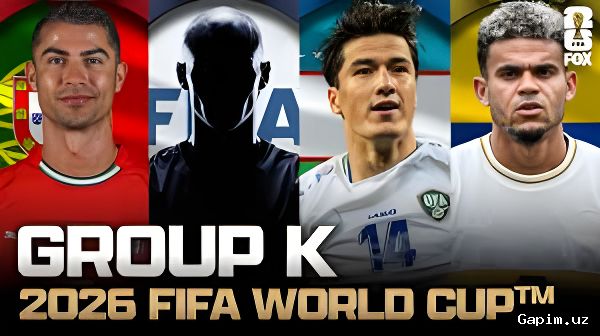
Critics argue the expanded format risks diluting quality and prolonging the tournament, with many potentially one-sided group games. However, supporters highlight increased opportunities for developing football nations and massive revenue for FIFA from broadcasting and sponsorship. The format also rewards teams with deeper squads and strong youth academies.
The 2026 World Cup is expected to be the last for icons Lionel Messi and Cristiano Ronaldo, who could both play in a record sixth tournament. Messi finally won the trophy in 2022, while Ronaldo has yet to achieve that feat. Other veterans like Luka Modrić (Croatia) and Guillermo Ochoa (Mexico) may also be making their final appearances.
A notable participant is Curaçao, a small Caribbean island with a population of 200,000. Leveraging its ties to the Netherlands, about 70% of its players hold Dutch passports and trained in Dutch academies. This gives Curaçao a competitive edge against larger nations.
Brazil and Neymar face a last chance. Neymar, who will be 34, has never won a World Cup. Brazil boasts young stars like Vinícius Júnior, Rodrygo, and Endrick but struggles with team cohesion. Spain relies on possession football and young talents (Pedri, Gavi, Lamine Yamal). France, led by Kylian Mbappé, remains strong but lost the balance of 2018. England, Germany, and Portugal also have high potential, though their success hinges on inexperienced youth.
Source: podrobno.uz