Swiss voters have rejected a proposal to limit the country's population to 10 million, with nearly 55% voting against and 45% in favor, on a turnout of 60%. The initiative came from the right-wing Swiss People's Party (SVP), which has long campaigned on an anti-immigration platform.
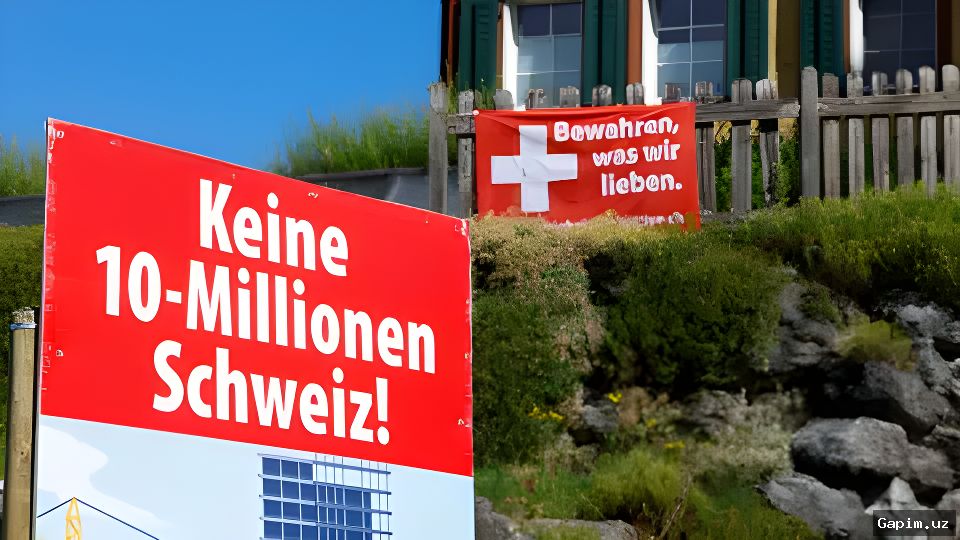
The divisive vote risked jeopardizing Switzerland's free movement agreement with the European Union and was opposed by the government, Swiss businesses, and all other major parties. Welcoming the result, Justice Minister Beat Jans called it "a sign of stability, openness and reliability."
Switzerland's population has grown rapidly from 7.3 million in 2002 to 9.1 million today, with 27% not holding Swiss citizenship. The SVP argued that capping the population would reduce pressure on transport, housing, and the environment, but failed to convince enough voters.
Some voters worried about losing essential workers in tourism, hospitals, and care homes, while business leaders feared losing access to the EU single market. Over half of Swiss products are sold to the EU, and market access depends on commitment to free movement of people.
The Swiss government and business leaders said the vote shows Switzerland wants to stay close to Europe. European Commission President Ursula von der Leyen welcomed the result, stating: "The Swiss people have spoken. The EU and Switzerland share deep ties and a strong partnership."
However, concerns over high rents, overdevelopment, crowded public transport, and rising health costs remain. SVP President Marcel Dettling said the vote shows "the population wants solutions. Not a single problem has been solved."
The results showed a stark urban-rural divide. In cities like Bern, nearly 84% rejected the cap. Key tourist areas also voted no. The business association Economiesuisse warned that passing the motion could strain relations with the EU, and employers worried about labor shortages. Half of hotel workers in Switzerland are immigrants.
Source: www.bbc.com