New homesteads cling to the slopes of Zimbabwe’s Eastern Highlands, a fertile mountain region that has become a destination for people fleeing drought-stricken parts of the country. Many arrived hoping to rebuild their lives on land where crops can still grow, but now they fear they could be forced out as the government intensifies a crackdown on illegal settlements.
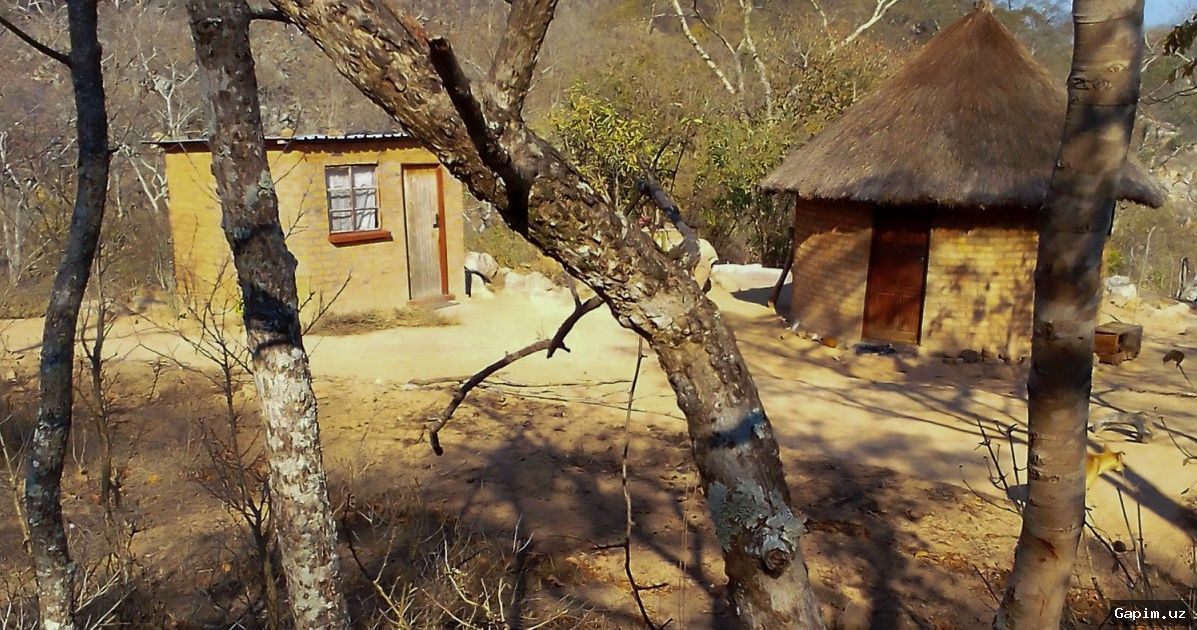
Known officially as “illegal settlers” and sometimes derisively as “squatters”, many say they moved here because increasingly erratic rainfall and recurring droughts had made farming difficult in their home areas. The Eastern Highlands, stretching about 320 km along the Zimbabwe-Mozambique border, remain one of Zimbabwe’s most fertile regions with reliable rainfall, rich soils and perennial rivers.
Lloyd Gweshengwe, a migrant living in the Eastern Highlands for 18 years, told Al Jazeera: “I had a very good maize harvest. I’m expecting several bags of maize, enough to feed my family for the whole year. But we don’t have anywhere else to go.”
At a stakeholder meeting last month in Mutare, Zimbabwe’s Minister of State for Manicaland Provincial Affairs, Misheck Mugadza, announced a tougher stance on illegal settlements, directing police and prosecutors to intensify arrests of traditional leaders, middlemen and government officials implicated in unlawful land allocations. “There is zero tolerance for corruption,” Mugadza said.
The government says the exercise is necessary to restore order in land administration, curb corruption and protect the environment. However, on the ground in Manicaland province, many families facing possible eviction say their relocation was driven by worsening climate conditions, not land speculation.
Independent researcher Trymore Maganga told Al Jazeera that illegal settlements have become a coping strategy for households affected by climate change, though they are not a long-term solution. Human rights lawyer Blessing Nyamaropa noted that Zimbabwe lacks a policy framework specifically addressing climate-induced migration, and enforcement alone cannot resolve the crisis.
For now, Gweshengwe continues tending his fields while waiting for clarity on what comes next. “We don’t have anywhere else to go,” he said.
Source: www.aljazeera.com