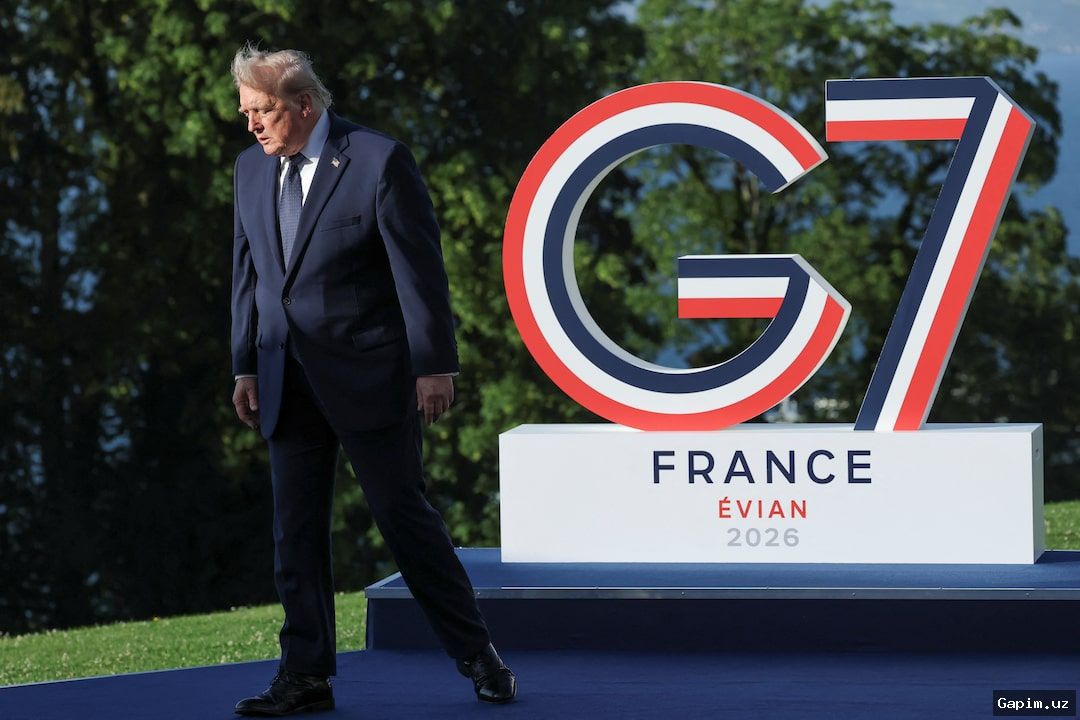
US President Donald Trump announced at the G7 summit on Monday that a preliminary agreement to end the war with Iran has been signed, claiming the deal would be made public 'pretty soon'. Speaking alongside French President Emmanuel Macron, Trump stated: 'I am very happy to say it's signed, the deal is all signed.'
Senior US officials provided details, saying the Strait of Hormuz would reopen on Friday, the same day the agreement is formally inked in Geneva. Technical talks on Iran's nuclear program are expected to begin this week, while sanctions relief will depend on Iran meeting its commitments.
The agreement was allegedly signed electronically by Trump, Vice President JD Vance, and Iranian Parliament Speaker Mohammad Bagher Ghalibaf. The full text is purportedly set for release after Friday's ceremony, though Trump said it could come sooner.
The deal extends a ceasefire for another 60 days, during which the sides will negotiate a final agreement. Pakistani Prime Minister Shehbaz Sharif, whose nation mediated, said it includes 'the immediate and permanent termination of military operations on all fronts, including in Lebanon'.
US officials claimed the withdrawal of Israeli forces from Lebanese territory is not a condition, and Israel retains the right to self-defense. Israeli Prime Minister Benjamin Netanyahu stated forces would remain in security zones in Lebanon, Syria, and Gaza 'as long as necessary', and that Iran would not be allowed to obtain nuclear weapons.
Trump said he ordered the immediate removal of a US naval blockade of Iranian ports and claimed ships carrying oil are moving out of the Strait of Hormuz. Iran's deputy foreign minister Kazem Gharibabadi confirmed the end of military operations, portraying the deal as a victory for Iran.
Iran's top military command claimed the US and Israel had 'no option but to accept defeat and surrender'. However, Iran's foreign ministry expressed 'deep mistrust' of the US, calling the agreement 'merely a step towards reducing tensions'.
Lebanese President Joseph Aoun welcomed the announcement, hoping for 'practical steps that will put a definitive end to the cycle of violence'. Leaders of the UK, France, Germany, and Italy issued a joint statement insisting Iran 'must never acquire a nuclear weapon' and offering sanctions relief for verifiable steps.
Source: www.bbc.com