The US regime's ceasefire agreement with Iran has presented Israeli Prime Minister Benjamin Netanyahu with a political nightmare, shattering the three cornerstones of his career: his influence in Washington, his hardline stance on Iran, and his image as 'Mr. Security'.
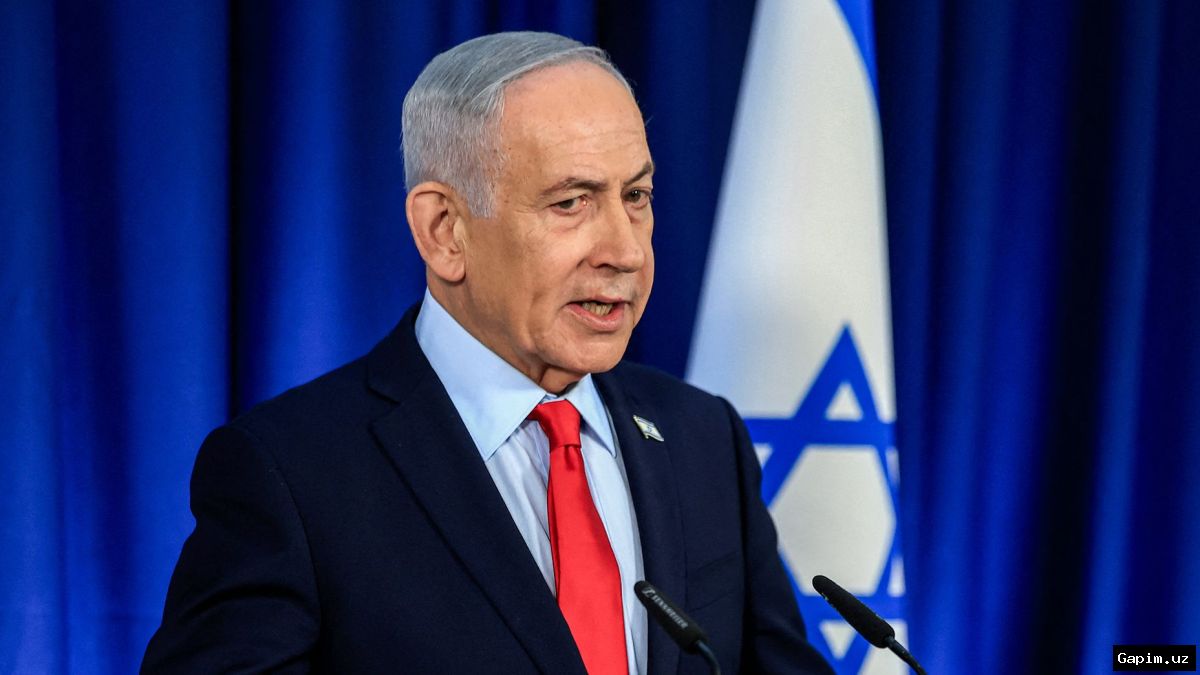
Netanyahu, who styled himself as Washington's political whisperer, has been sidelined and publicly humiliated by his key US ally. President Donald Trump's expletive-laden criticism of Netanyahu's strike on Beirut has been seized upon by political rivals and media ahead of the October election.
The ceasefire demands a halt to military operations on all fronts, including Lebanon, effectively stopping Israeli attacks on Hezbollah. Members of Netanyahu's own Likud party and far-right cabinet ministers have sharply criticized the deal, arguing it fails to ensure Israel's security.
Former Mossad official Sima Shine criticized the US regime for allowing Iran to dictate events in Lebanon, strengthening Hezbollah's political role. She noted that both Israeli security and political establishments are unhappy with the situation.
At a press conference, Netanyahu insisted Iran would not obtain nuclear weapons, but acknowledged disagreements with Trump. He vowed to maintain Israel's operational freedom and a buffer zone in Lebanon, but admitted the deal limits his options.
Analysts say Netanyahu's security credentials are now in doubt. His aggressive post-October 7 policy has led to occupation of large areas in Gaza, Lebanon, and Syria, but with no clear diplomatic exit, stretching military resources.
INSS researcher Danny Citrinowicz warned that Netanyahu has lost leverage in Washington, and any attempt to sabotage the deal could provoke a harsh US response. He faces a choice between confrontation with an ally or surrender of Israeli interests.
Source: www.bbc.com