Iran's Supreme Leader Ayatollah Mojtaba Khamenei stated that he initially opposed the recently signed memorandum of understanding between Tehran and Washington but ultimately approved it after receiving assurances from Iran's leadership that the country's interests would be protected.
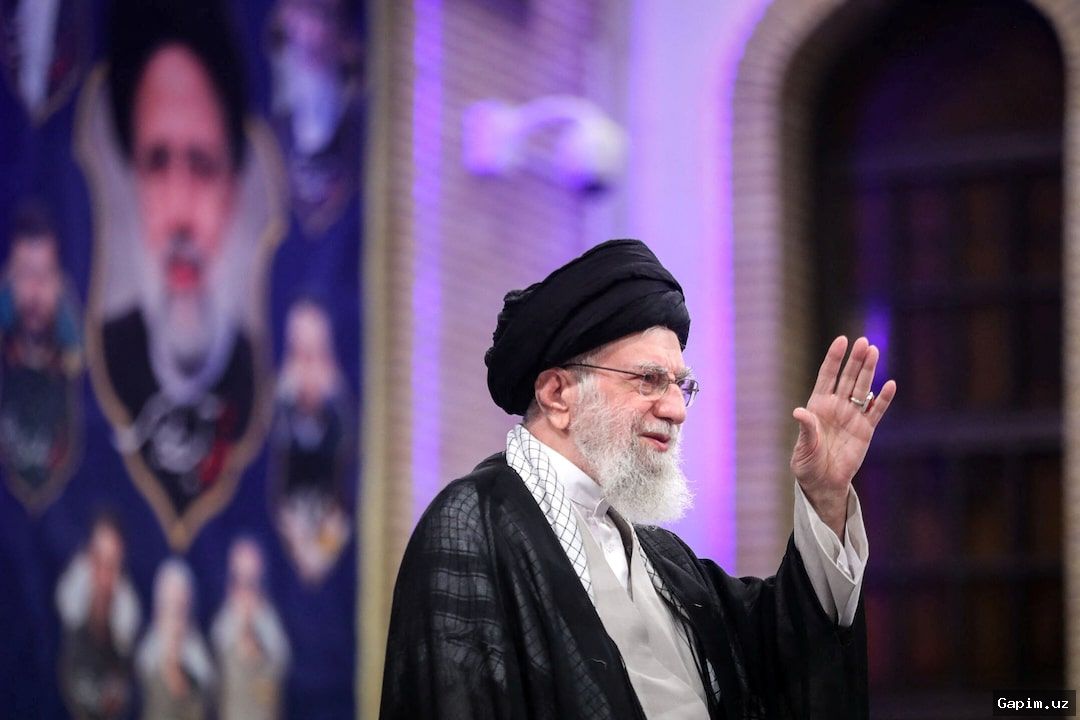
In a written statement carried by Iranian state media on Thursday, Khamenei said he had “a different opinion” on the agreement but granted permission after President Masoud Pezeshkian and other officials pledged to safeguard “the rights of the Iranian nation and the resistance front” and accepted responsibility for the deal.
Khamenei warned that Tehran would not accept additional demands from Washington. “If the American side wants to be greedy, they [Iran’s leadership] will not accept it,” he said. However, he also endorsed direct negotiations with the US, stating that face-to-face talks would not mean accepting the enemy's opinion.
The remarks came as uncertainty remained over whether Iranian officials would travel to Switzerland on Friday for talks with the United States aimed at implementing the agreement. Iran's semi-official Tasnim news agency reported that Tehran had not yet made a final decision on sending a delegation and that consultations were still ongoing.
Switzerland's Federal Department of Foreign Affairs said the talks were expected to proceed as planned. The memorandum was electronically signed by US President Donald Trump and Iranian President Pezeshkian this week following a ceasefire agreement intended to end the conflict that began after US and Israeli attacks against Iran on February 28.
US Vice President JD Vance said a 60-day negotiating period had formally begun on Thursday and that restrictions on maritime traffic to Iranian ports had been lifted. The negotiations are expected to focus on sanctions relief, while questions remain about the Israeli military's invasion of southern Lebanon and the future role of Hezbollah.
Israeli Prime Minister Benjamin Netanyahu on Thursday ruled out a withdrawal of Israeli troops from southern Lebanon for the foreseeable future. However, Trump said on social media that the US expects “a complete ceasefire on all fronts”, including Lebanon, Hezbollah and Israel.
The memorandum also provides negotiators with up to 60 days to reach a final agreement covering Iran's nuclear programme. IAEA Director General Rafael Mariano Grossi welcomed the signing and offered to assist with verification measures related to Iran's nuclear activities.
As part of the agreement, Iran has moved towards reopening the Strait of Hormuz, while the US has ended its naval blockade of Iranian ports. Iran's Supreme National Security Council announced that commercial vessels transiting the Strait would not be charged passage fees for the next 60 days.
US Central Command (CENTCOM) said American forces were no longer impeding vessels travelling to or from Iranian ports in the Gulf and Gulf of Oman. The easing of tensions has prompted several countries to revise travel advice. The UK said it was no longer advising against non-essential travel to parts of the Gulf, including the UAE, Qatar and Kuwait.
Source: www.aljazeera.com